Did AI-disclosed demos underperform at Steam Next Fest?
Steam's October 2026 Next Fest had 7,130 demos, and about a third of them carried the store page's “AI Generated Content Disclosure”. We compared their wishlist and follower gains during fest week with everyone else's, checked the result against a third-party AI flag, and read what the developers actually wrote about their AI use.
7,130 demos · two AI labels · fest window 19–26 Oct 2026 · wishlist figures are Gamalytic estimates
TL;DR
The short version
7,130demos in the fest
2,437carried Steam’s AI disclosure
54 vs 72median wishlist Δ, disclosed vs not (est.)
4 of 5size bands where disclosed demos matched or beat the rest
12 of 98top-100 most-played slots held by disclosed demos
99.88%agreement between Steam’s disclosure and a third-party AI flag
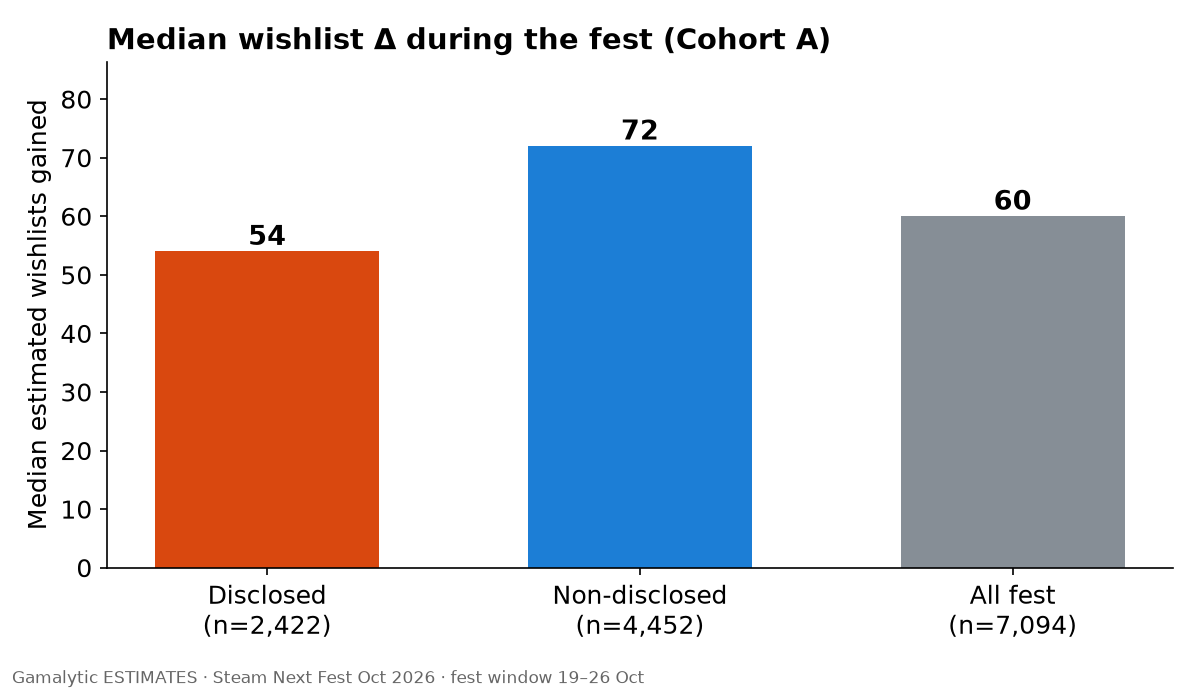
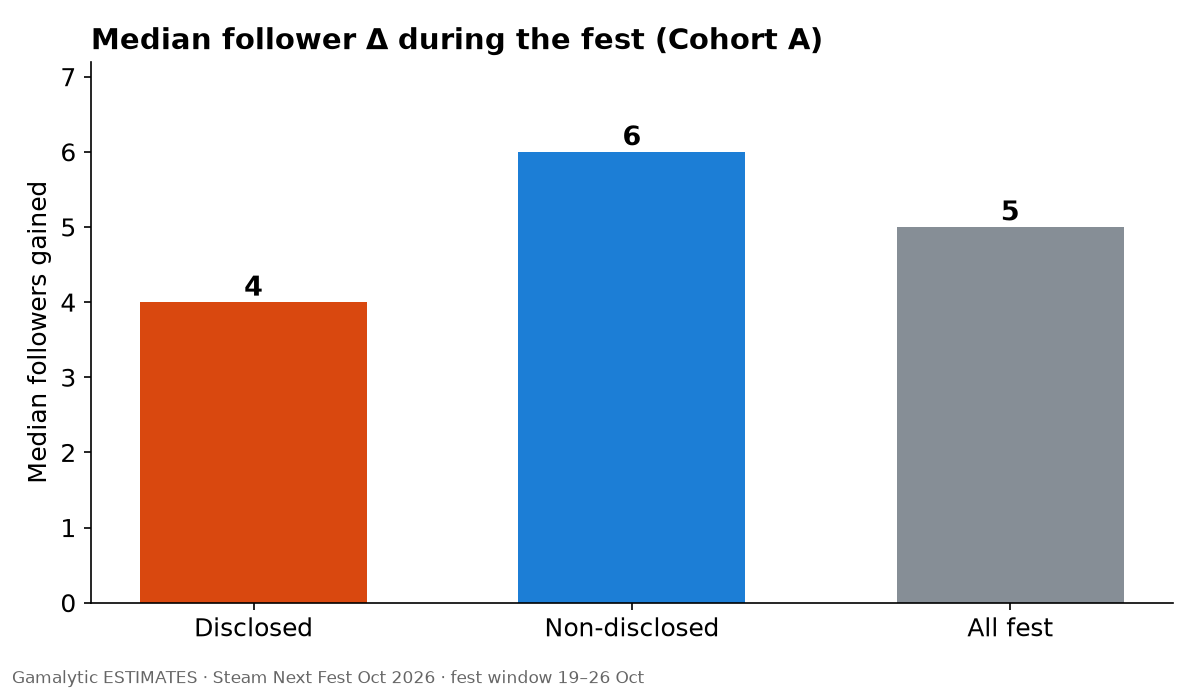
On raw medians, disclosed demos gained less. The typical disclosed demo added an estimated 54 wishlists during fest week, against 72 for a typical non-disclosed demo and 60 for the fest as a whole. Median follower gains were 4, 6 and 5.
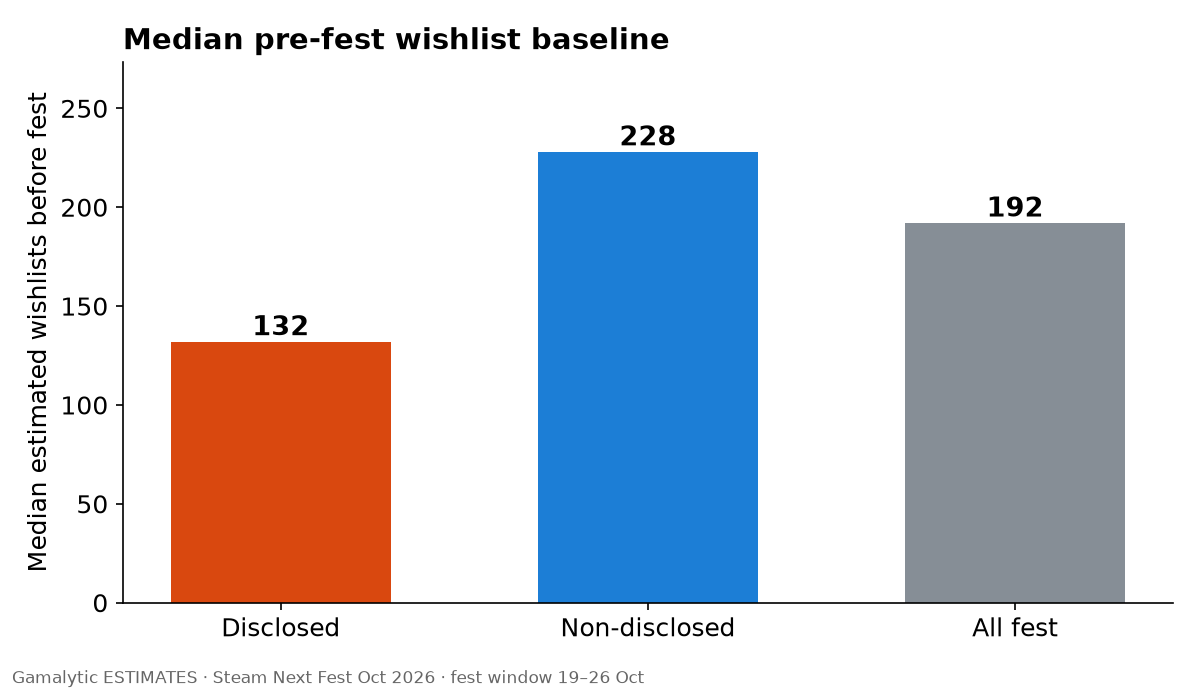
Most of that gap is about size, not the label. Disclosed demos came into the fest smaller (a median pre-fest baseline of 132 wishlists vs 228). Compared with demos of a similar size, disclosed demos had an equal or higher median wishlist gain in 4 of 5 size bands. They trailed only among the biggest games (10,000+ wishlists).
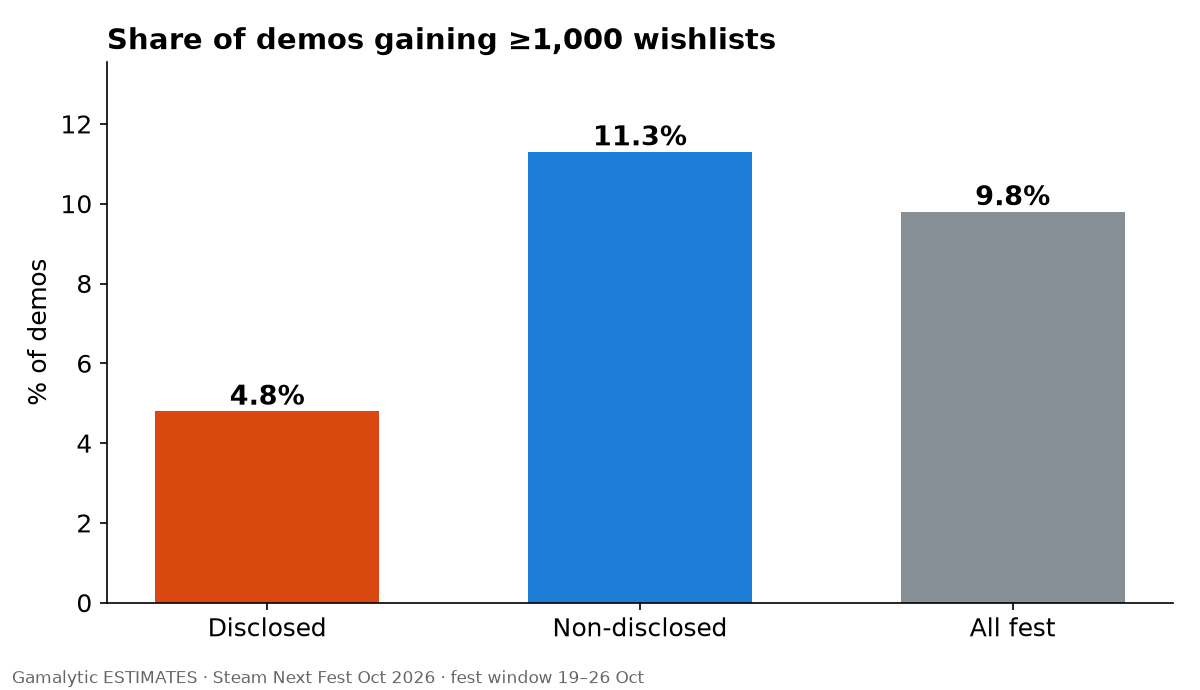
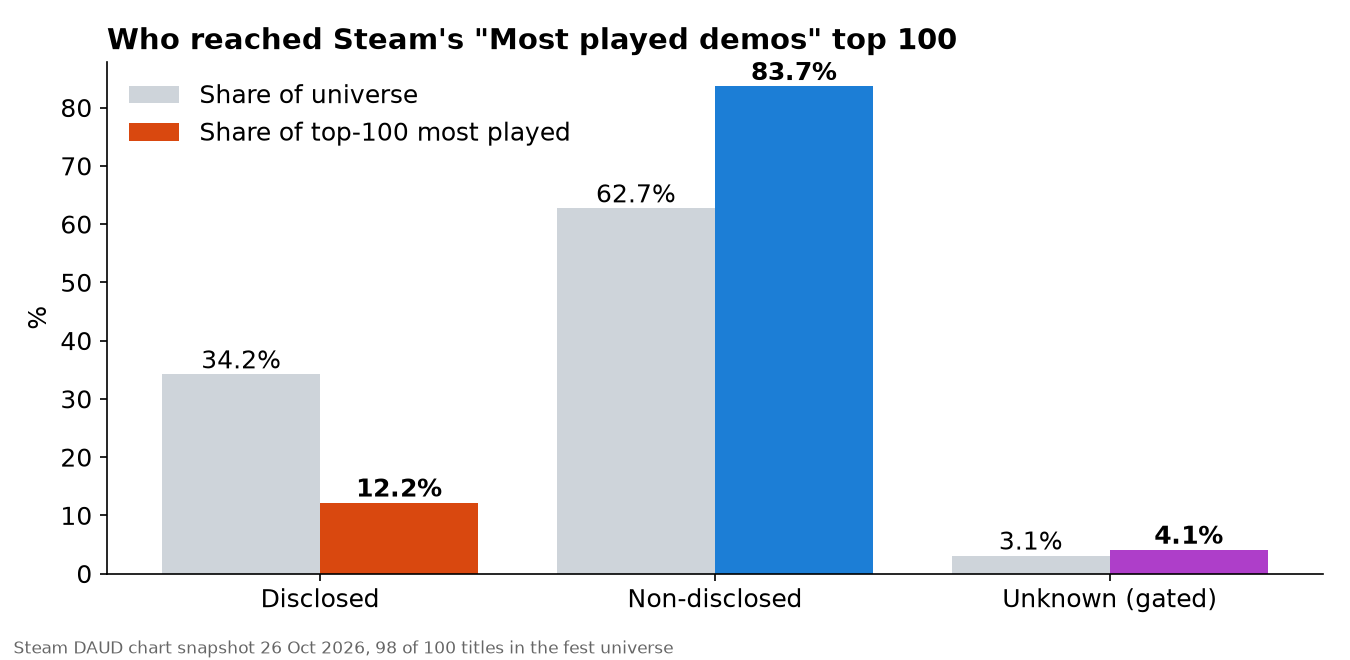
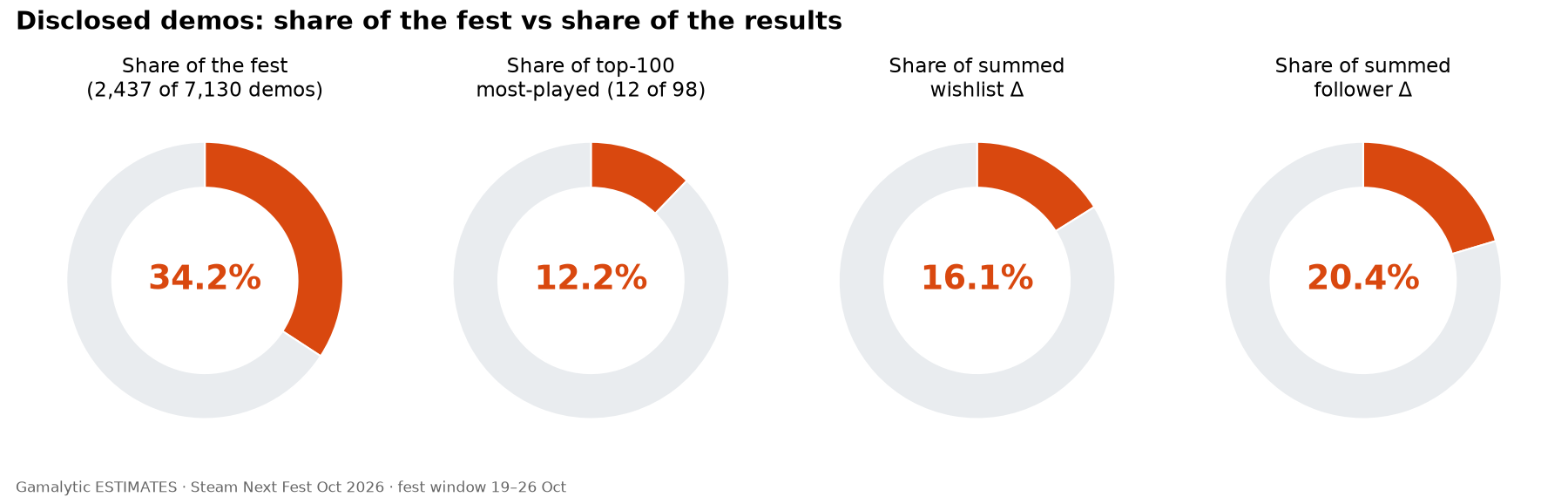
The top of the chart is a different story. Disclosed demos were 34.2% of the fest but held only 12 of the 98 in-fest slots on Steam's “Most played demos” top 100, and none of the top 10. Only 4.8% gained 1,000+ estimated wishlists, against 11.3% of non-disclosed demos.
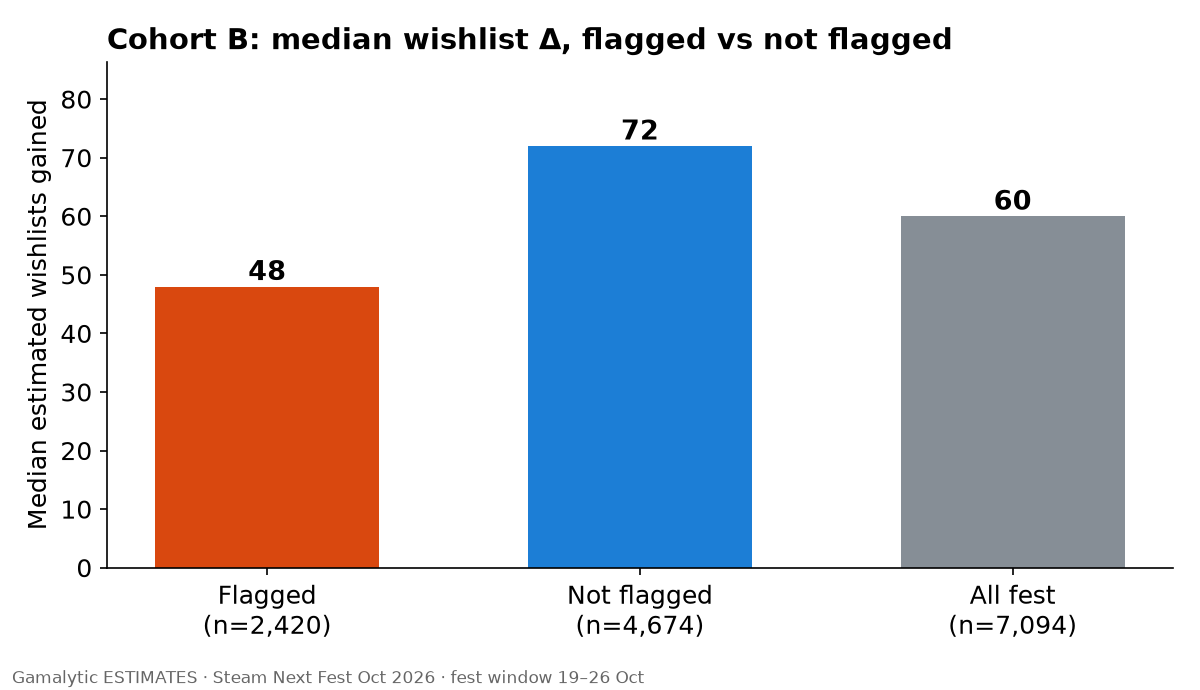
A third-party AI flag tells almost exactly the same story. Gamalytic's `aiContent` flag agrees with Steam's disclosure on 6,881 of 6,889 comparable demos (99.88%). Its flagged median looks lower (48 vs 54), but that is a rounding-step artifact, not a real difference.
All wishlist figures are estimates, the labels were captured after the fest closed, and none of this proves that the disclosure caused anything.
Context
Why ask this question at all
Since Valve began asking developers to describe their use of generative AI, a growing share of store pages carry a block titled “AI Generated Content Disclosure”. The developer writes the text. Steam shows it on the store page next to the content descriptors. Players can see it before they wishlist or download a demo.
Developers argue about it constantly. Some worry that the label alone puts players off. Others say it barely registers next to the trailer, the capsule art and the price. Steam Next Fest is a good natural test bed for that argument. Thousands of demos launch into the same week-long window, they get the same storefront exposure rules, and wishlist movement during that week is the metric most indie teams care about.
So we took every confirmed participant in the October 2026 Next Fest and asked a plain question. Did demos that carried the disclosure gain fewer wishlists and followers during fest week than demos that did not?
This is an observational study. It describes what happened to two groups of demos. It cannot tell you what would have happened to any one game if it had added or removed its disclosure.
See the games, not just the label
What the disclosed demos look like
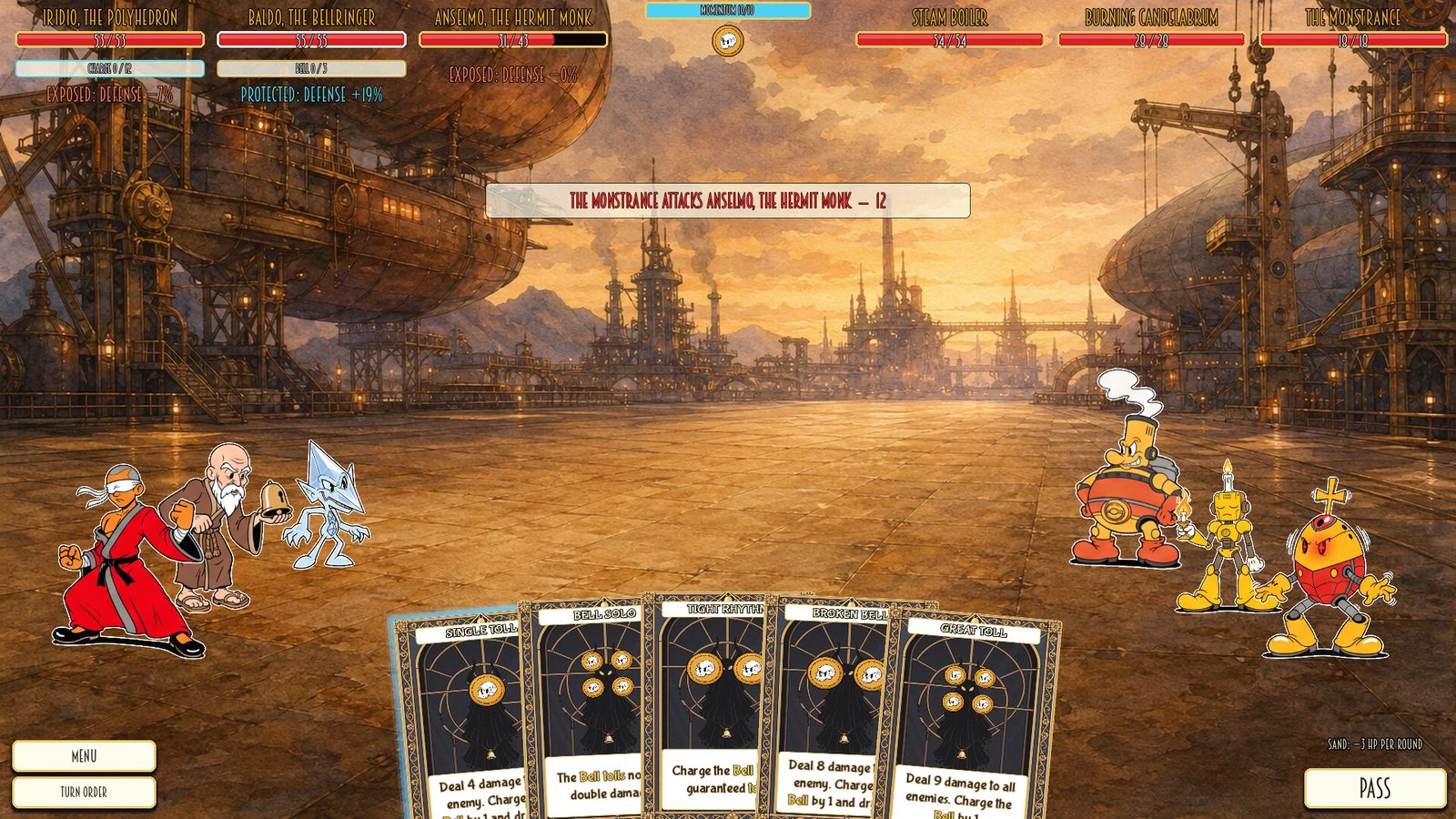
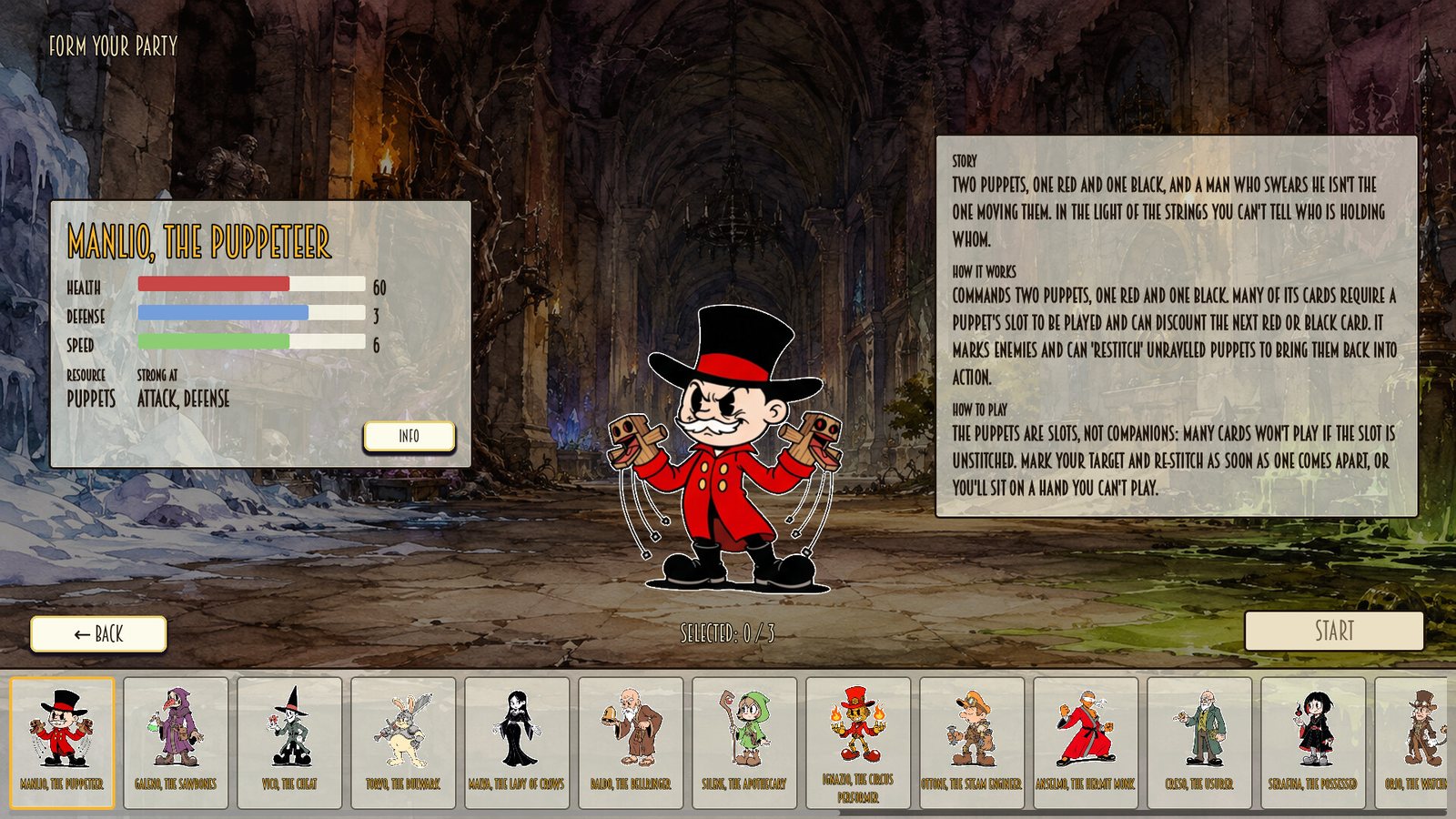
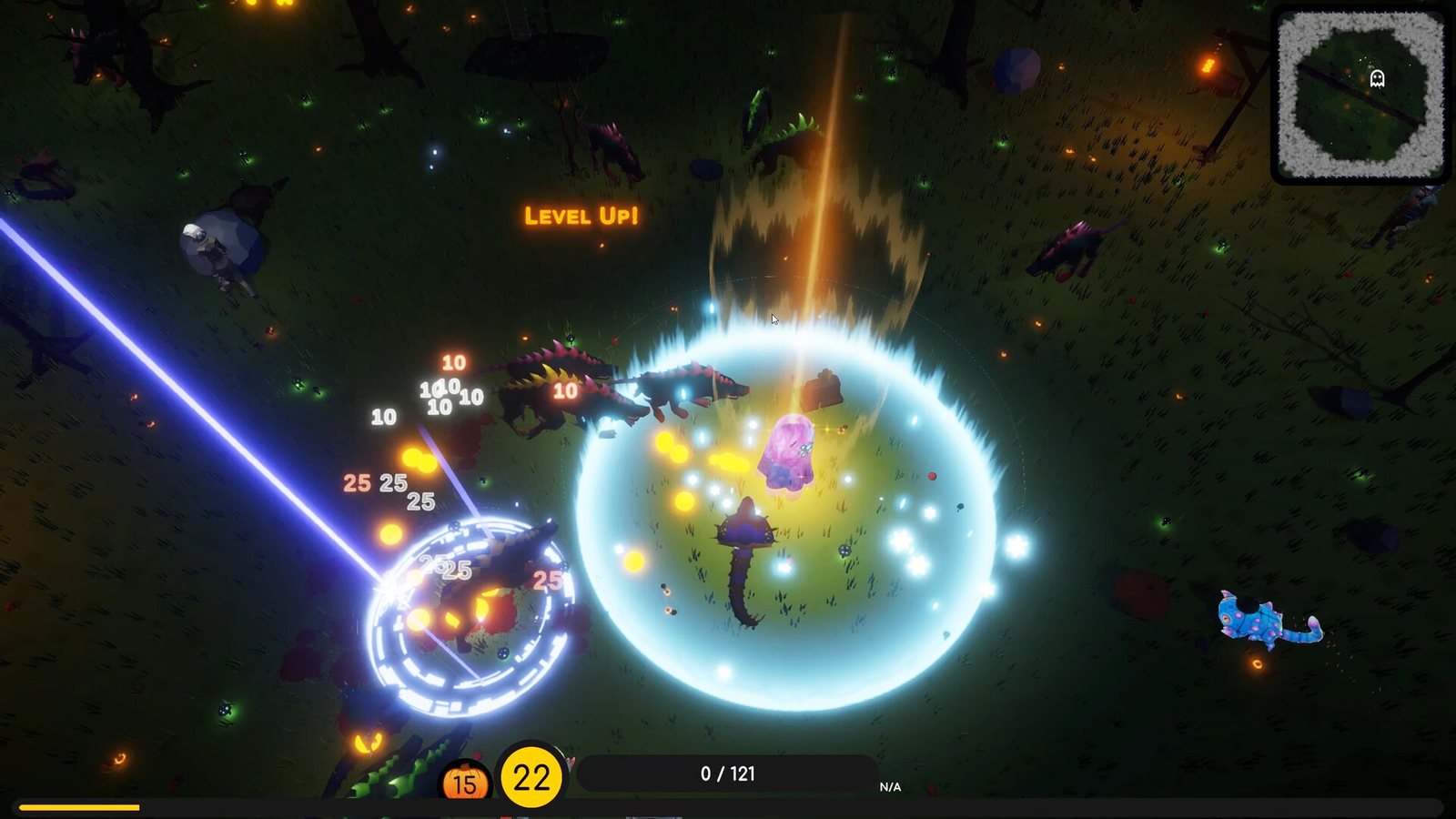
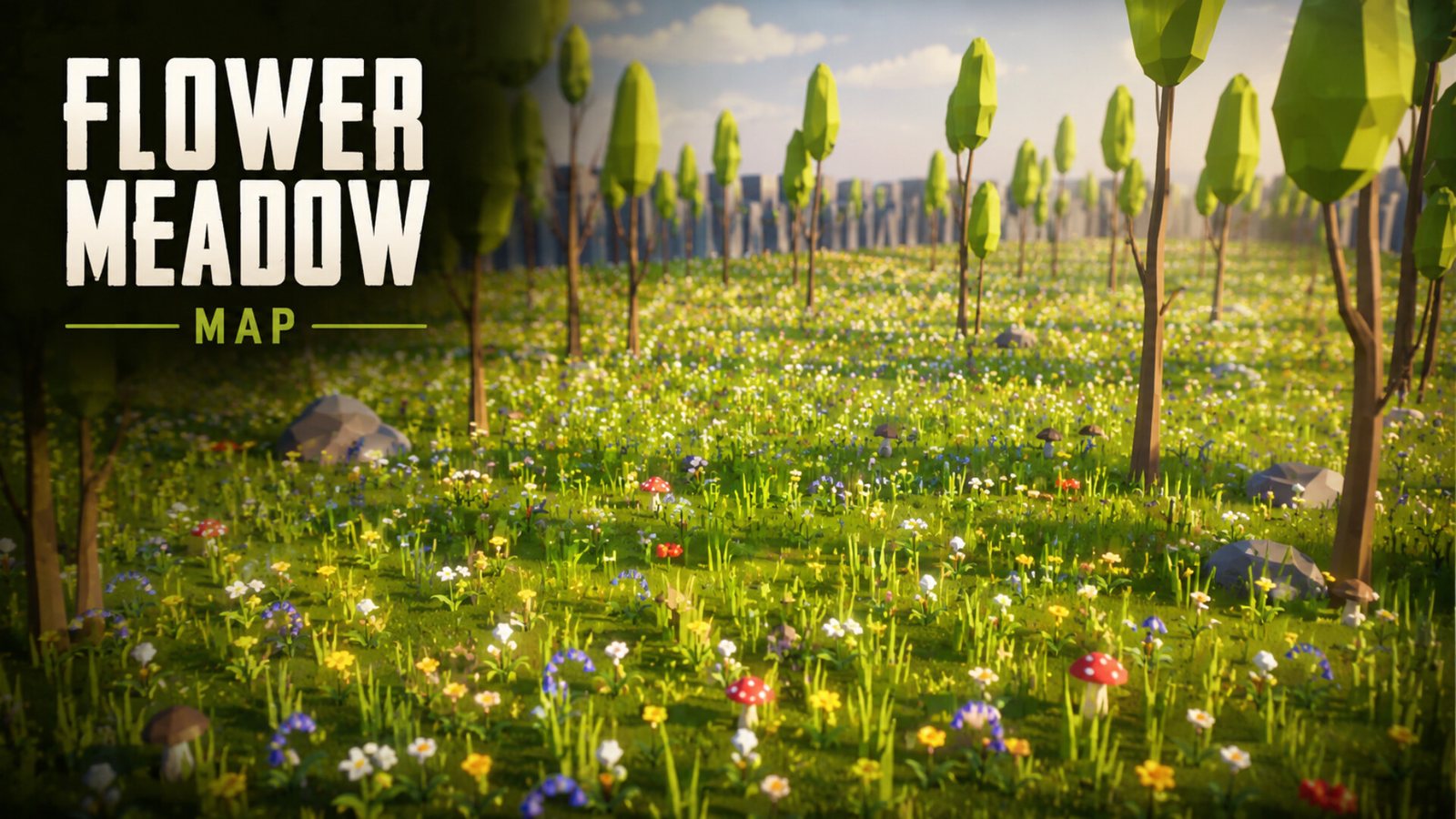
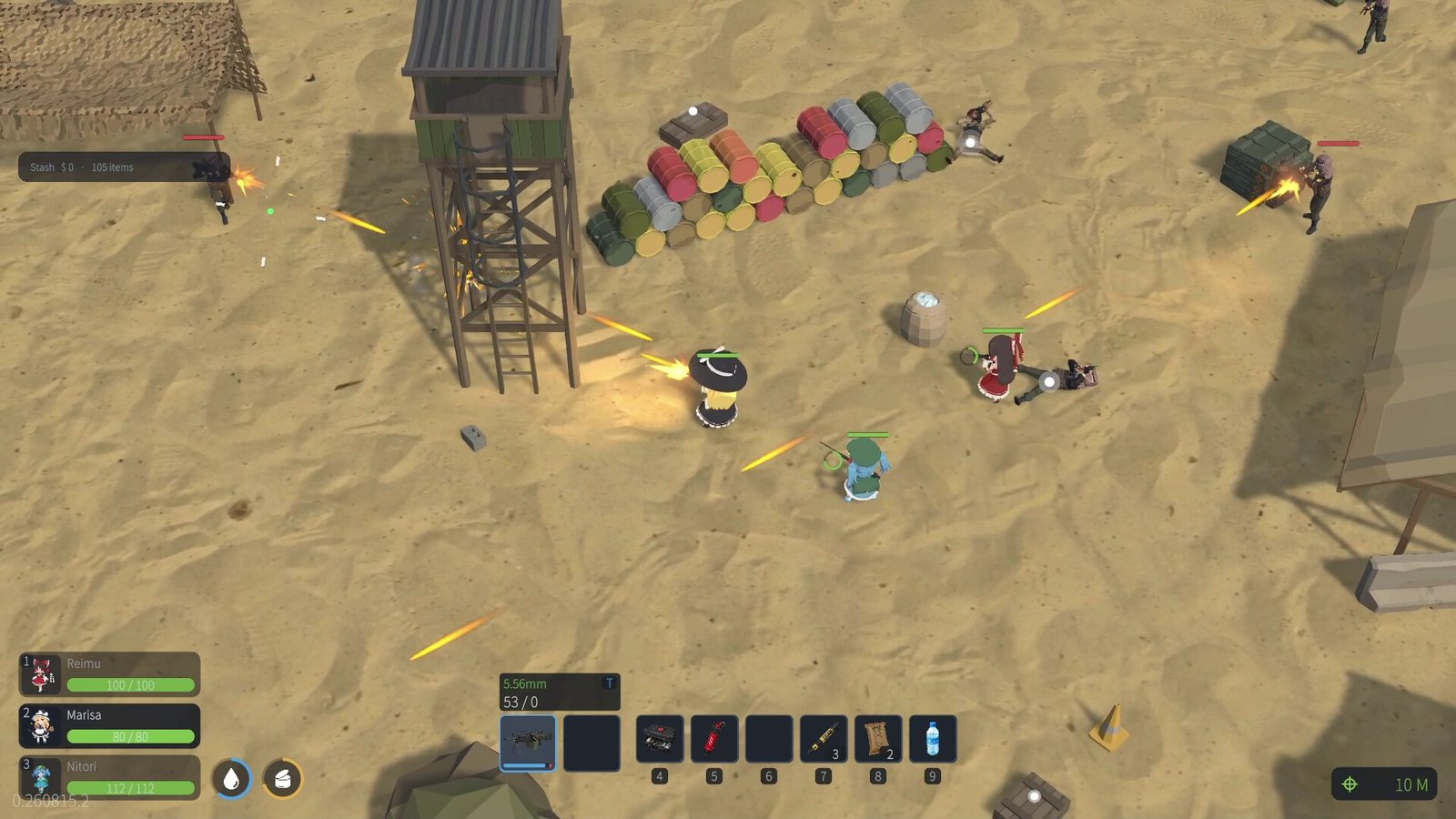
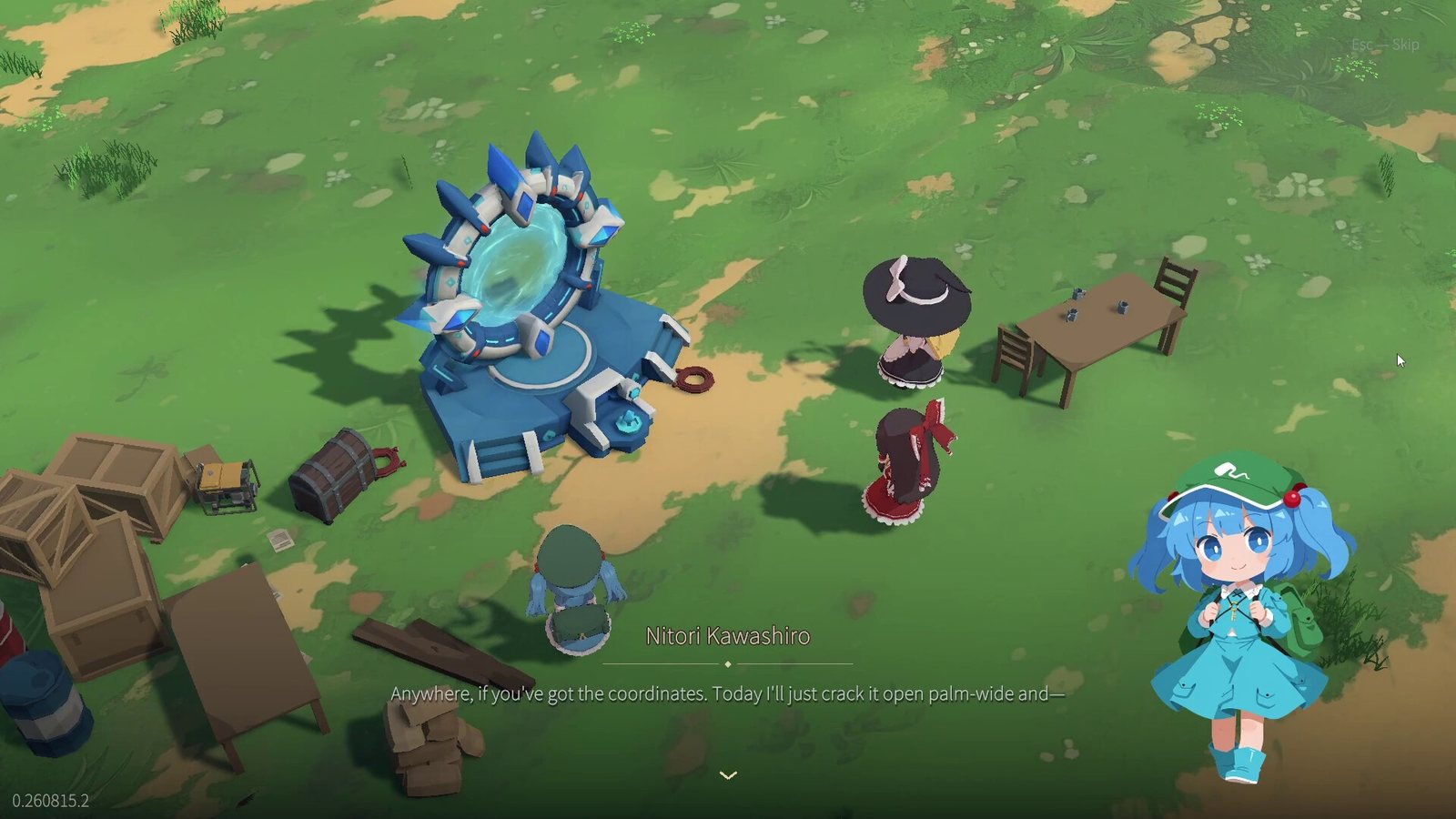
Charts and disclosure text only go so far. A player browsing Next Fest doesn't read a label first. They see a capsule, a few screenshots and a trailer. So before the numbers, here is what a dozen disclosed demos actually showed on their store pages.
We picked these twelve because their own disclosure says generative AI touched the art, visuals or promotional material, not just translation or code. Some of them have the look many players now call “AI slop”: glossy, over-smoothed faces that resemble each other, painterly backdrops with too much detail and no clear focal point, mushy or inconsistent textures, and illustration styles that don't match the rest of the game. Others look entirely conventional, and you would not guess from the screenshots that AI was involved at all.
That spread is the point. On Steam, “has an AI disclosure” covers everything from a machine-translated menu to a fully AI-generated art pipeline. The same yes/no label sits on all of them.
This is a hand-picked selection, not a random sample, and it leans toward visible AI art on purpose. The “what we see” notes are our own reading of the store media, not the developer's words. Nothing here shows that the look, or the label, caused any game's result. Wishlist changes are Gamalytic estimates, shown for context only. Screenshots and trailers are the developers' store assets, shown as captured from Steam on 28 Oct 2026; the trailers are local 480p copies.
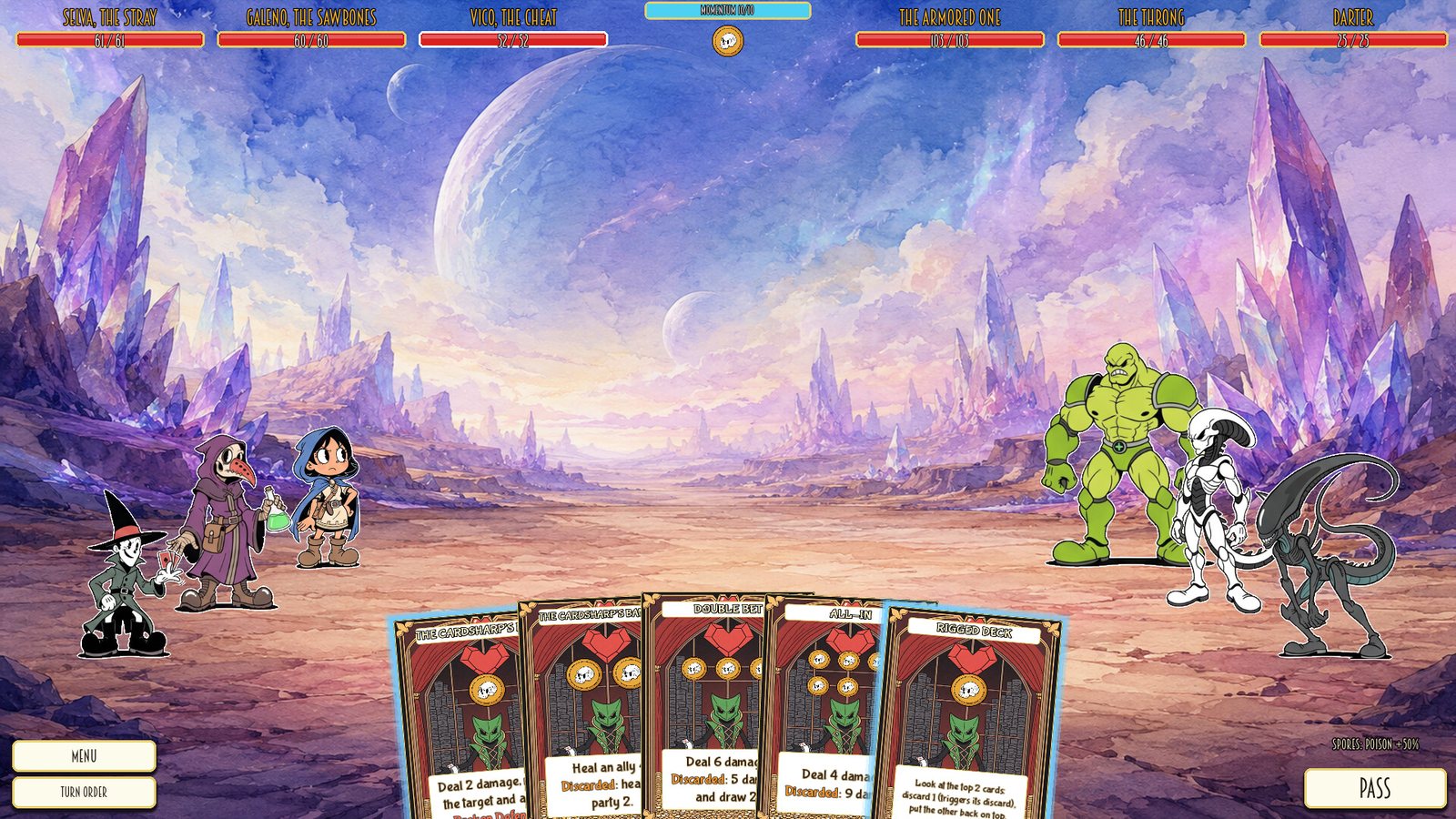
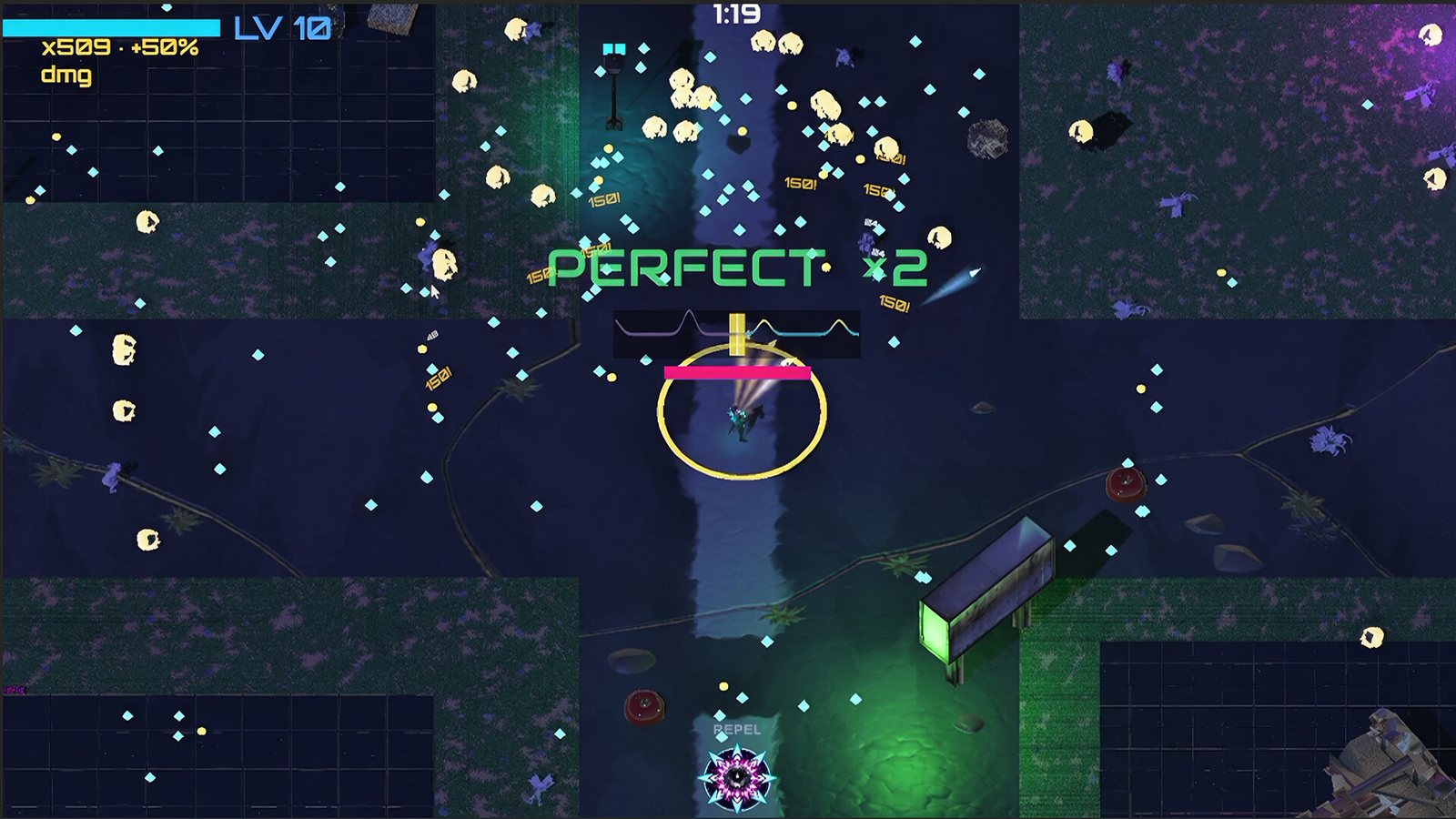
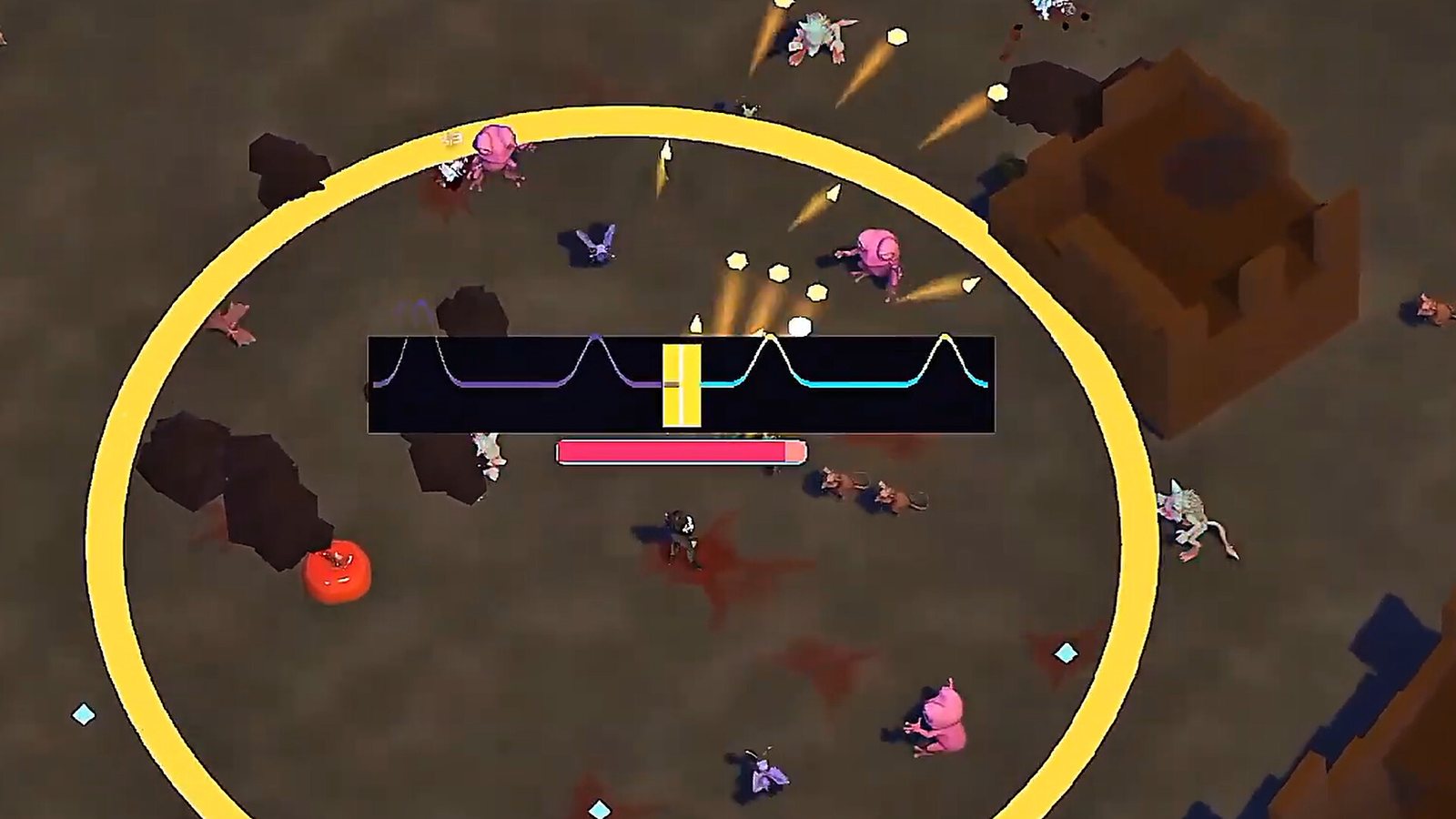
AI use, per the developer: “The 2D art in OBOLUS is made with image generation models running locally on my own machine — Stable Diffusion XL through ComfyUI”, including a style model trained on 1930s cartoon references, with every asset reworked over many passes.
Store trailer (local 480p copy)
What we see: Painterly fantasy backdrops (crystal canyons, giant moons, glowing mushroom forests) behind rubber-hose-style cartoon characters. The backdrops have the soft, everything-in-focus lighting typical of diffusion-model images, while the characters and card frames are more consistent with each other.
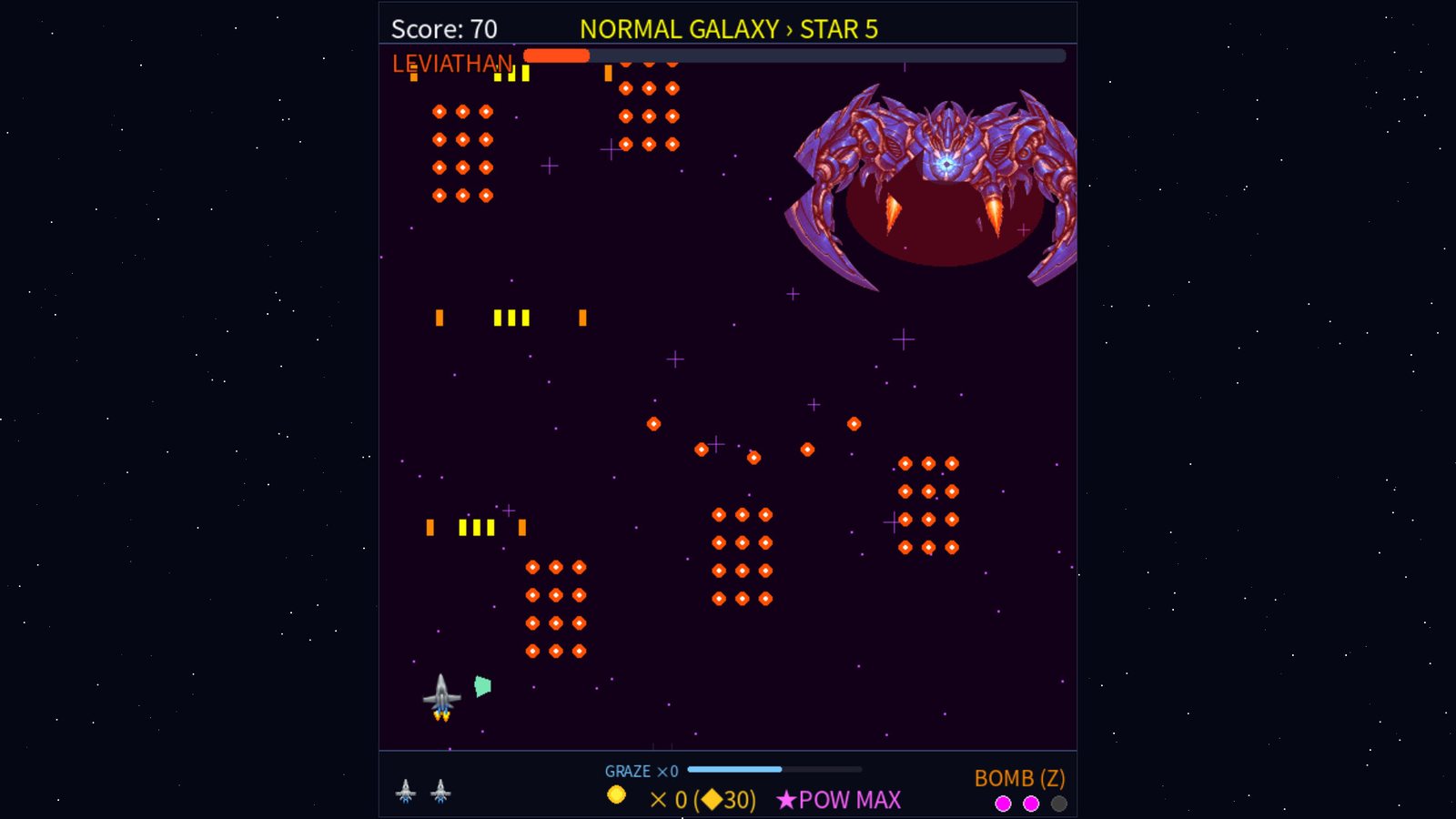
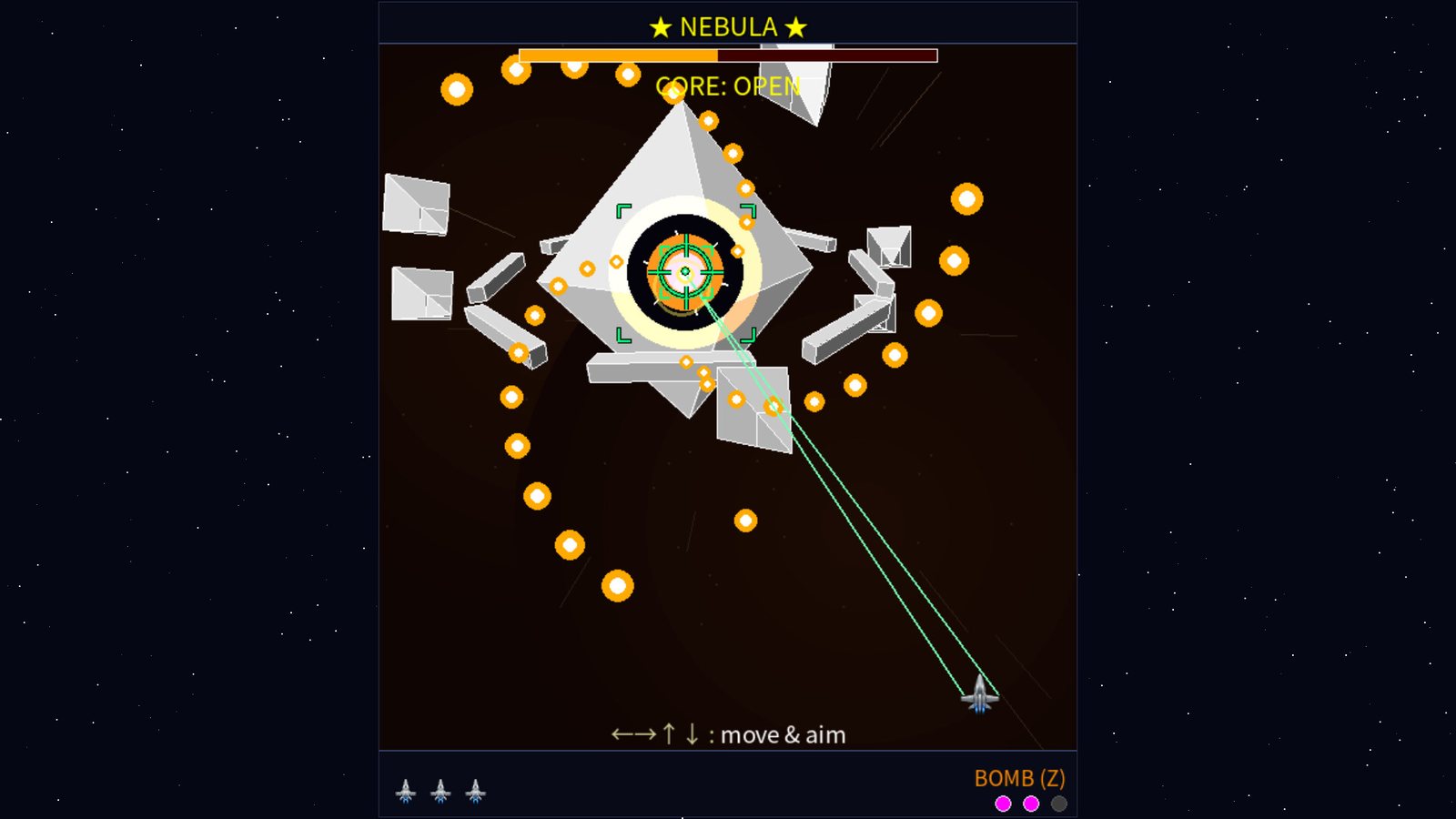
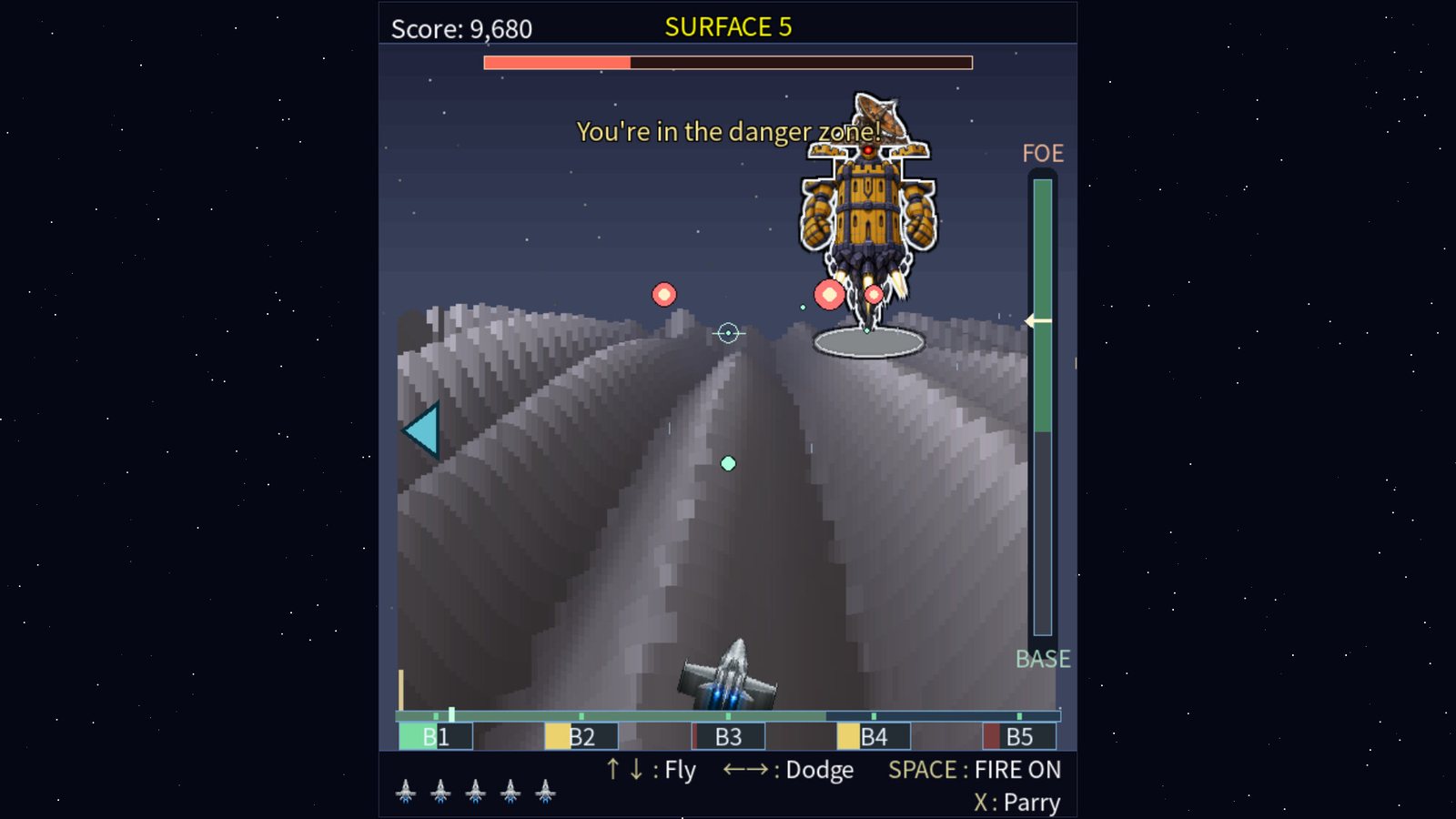
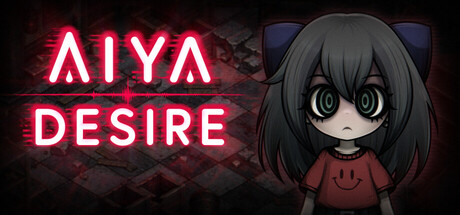
AI use, per the developer: Graphics (sprites, logo, artwork) generated with Google Gemini and OpenAI image models, then curated and edited; music and sound effects generated locally with ACE-Step.
Store trailer (local 480p copy)
What we see: A retro vertical shooter. The large boss sprites and the pseudo-3D stage have a glossy, airbrushed rendering that sits apart from the flat pixel bullets and interface. Listen to the trailer too: the soundtrack is AI-generated as well.
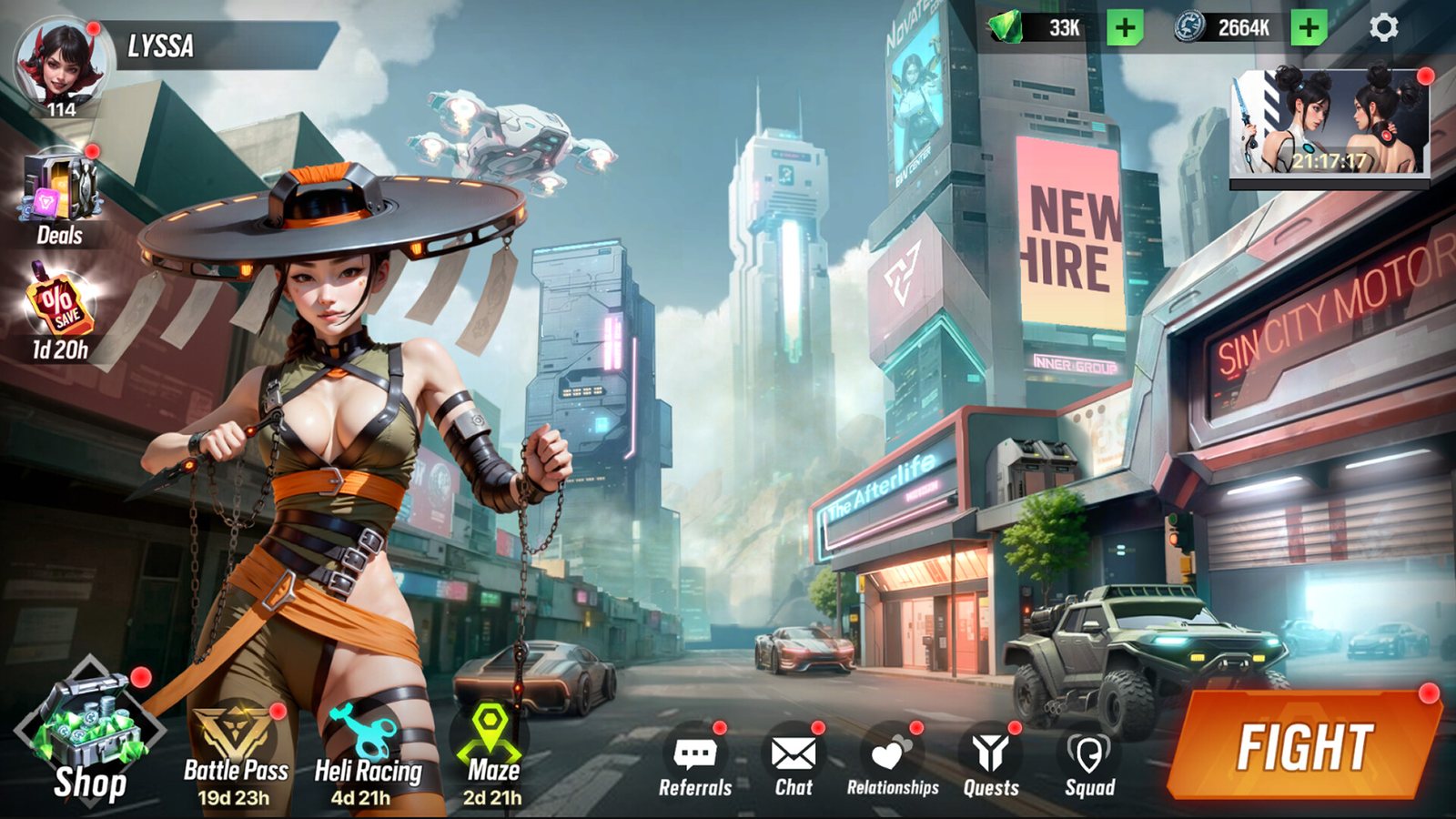
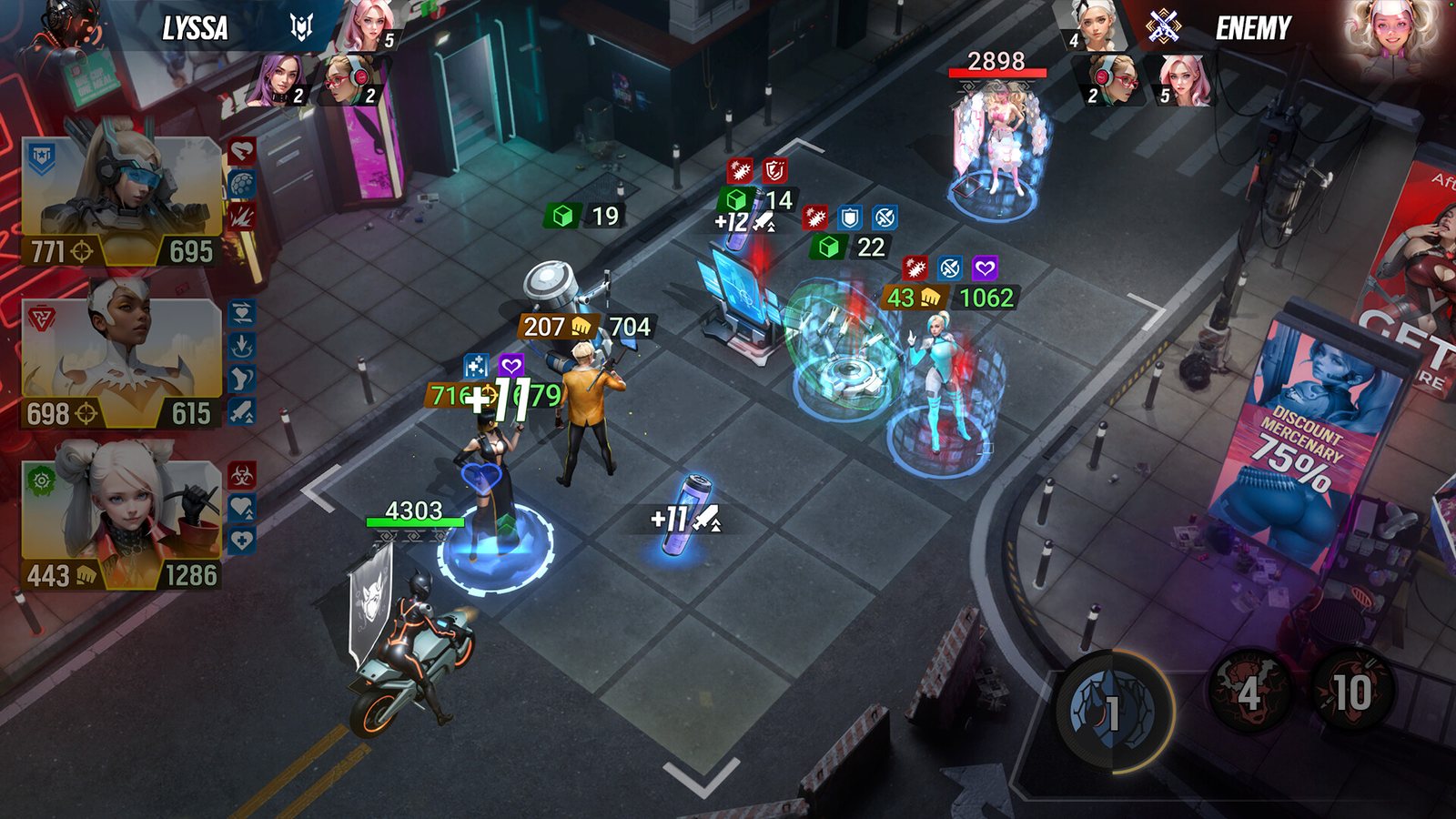
AI use, per the developer: “The design of each of our characters is thought out and created by our artists and scriptwriters manually, but we also use neural networks in pre-production to help artists render fine character details faster.”
Store trailer (local 480p copy) · mature themes
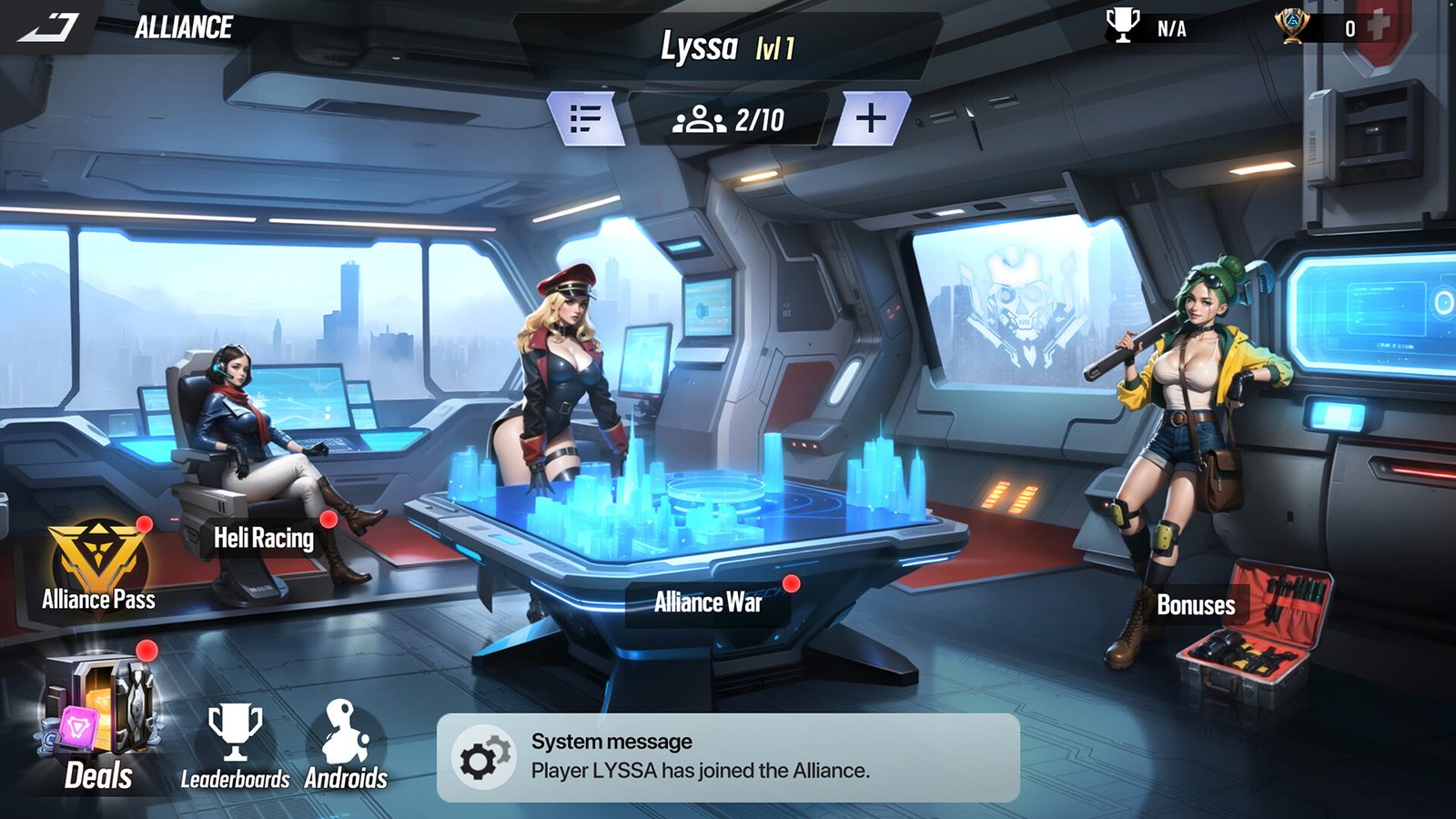
What we see: Hyper-detailed, glossy pin-up character renders over a busy cyberpunk street, with smooth skin, similar faces across characters and dense signage. It's the look many players associate with AI-assisted mobile-game art. It also broke out: one of the biggest disclosed movers of the fest.
AI use, per the developer: “Character designs are created manually by artists and writers, but we use AI to speed up the drawing of details. We also use AI to speed up the drawing of backgrounds.”
Store trailer (local 480p copy)
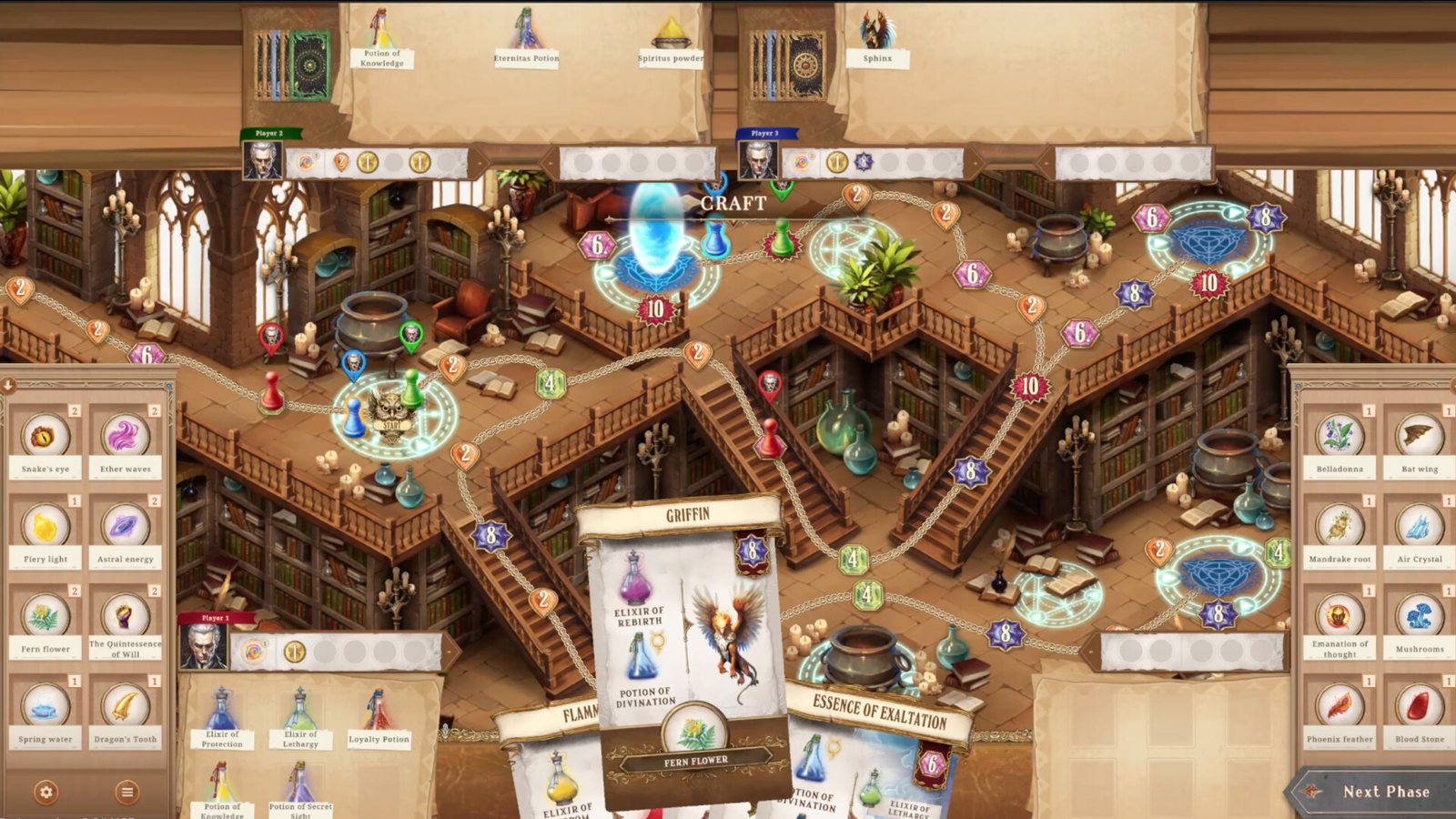
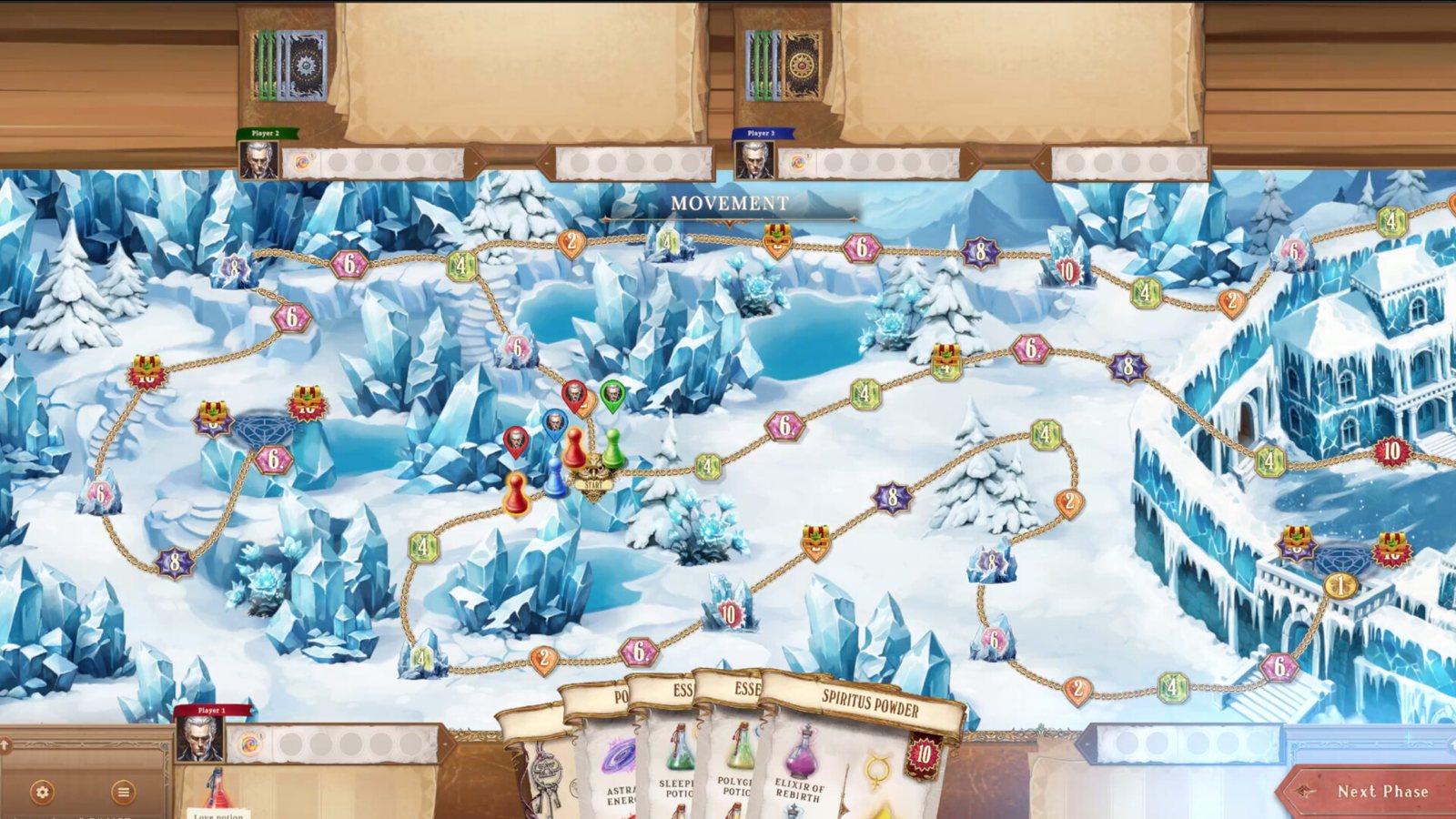
What we see: Polished painted portraits inside glowing rune frames, and dense storybook maps. The portraits share the slightly airbrushed, symmetrical-face finish common to AI-assisted detailing. The overall presentation is coherent and well-produced.
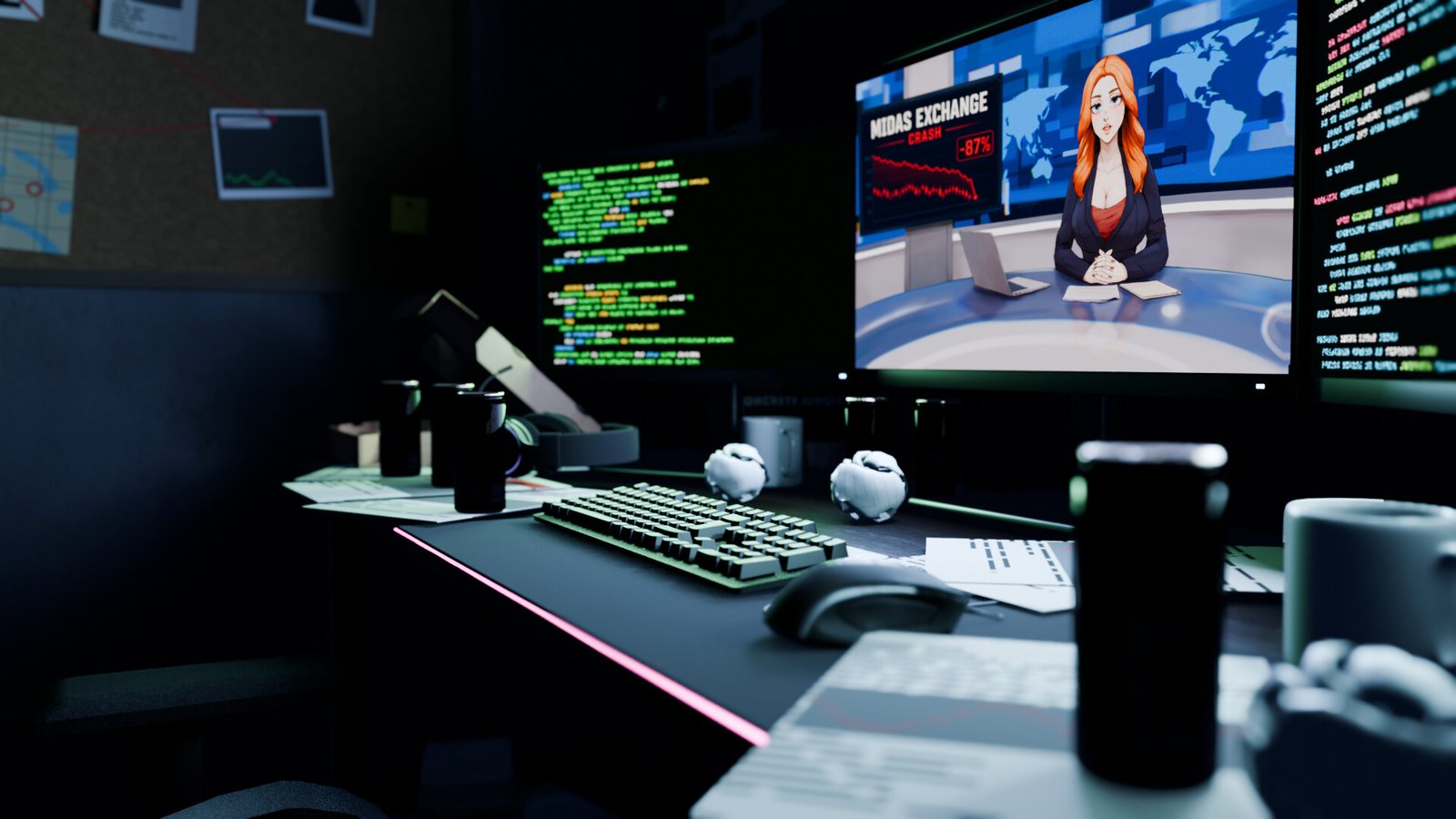
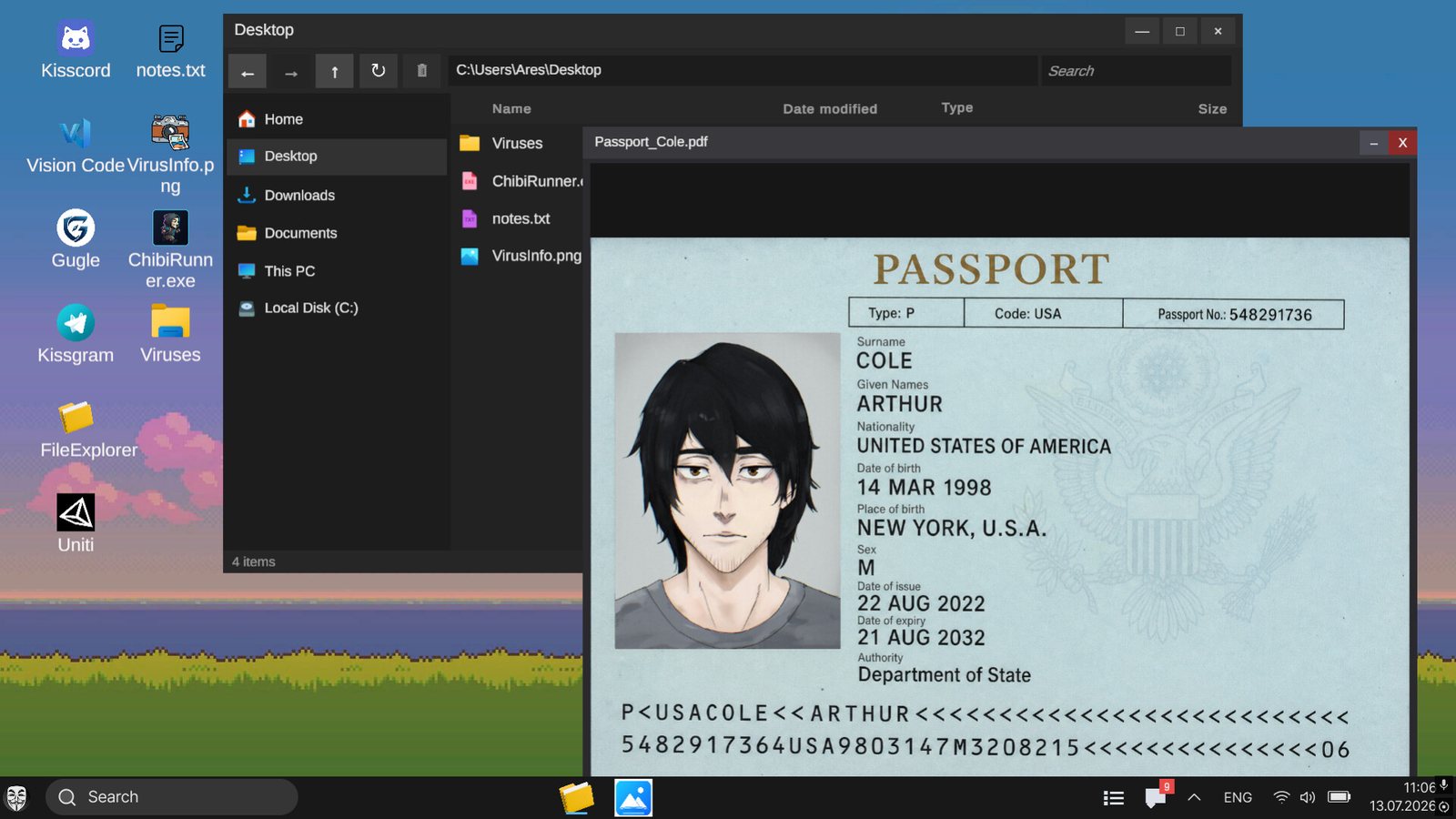
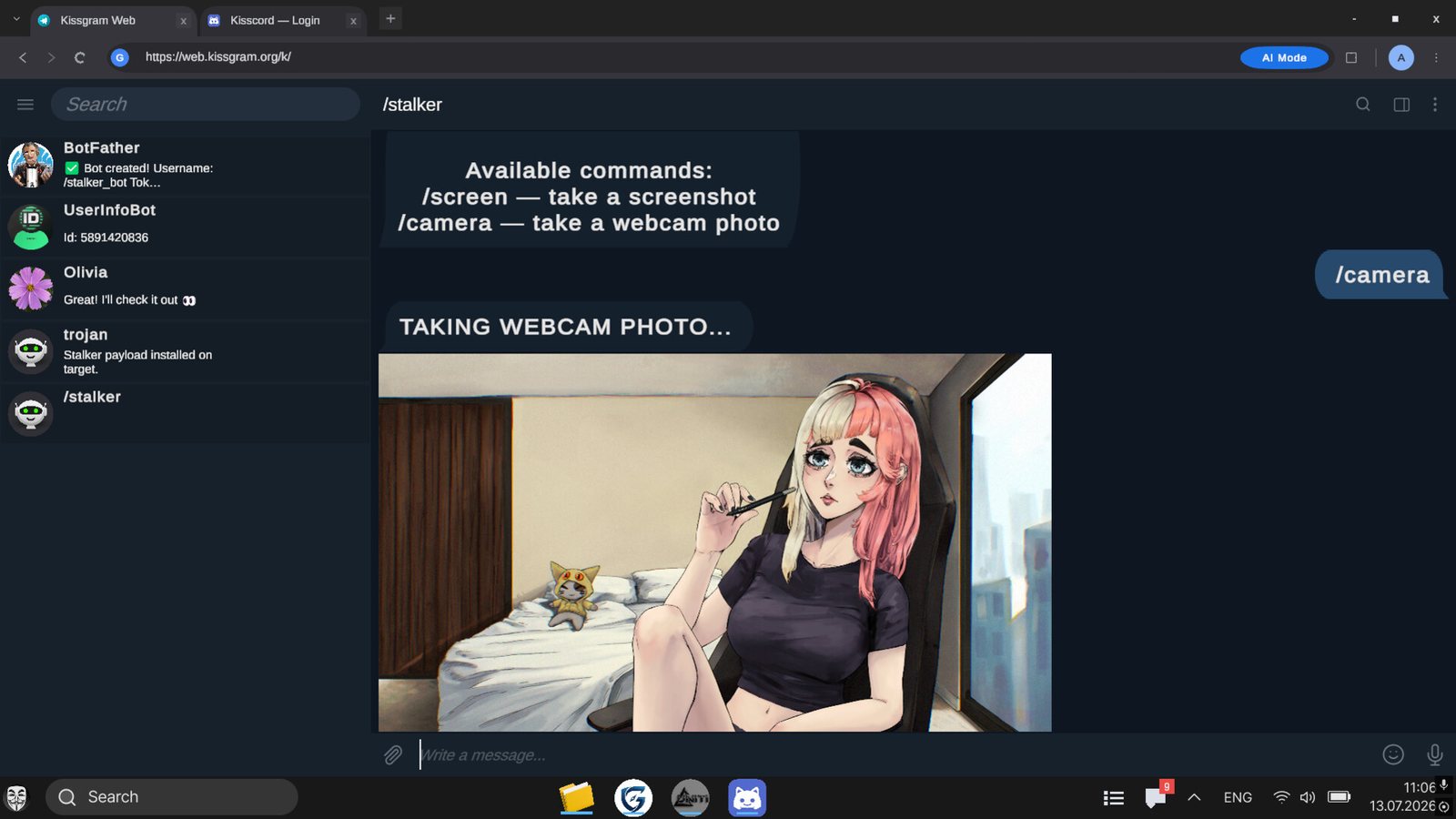
AI use, per the developer: “The game uses static images and UI elements (including a cryptocurrency exchange chart) generated with AI tools,” manually post-processed; code, mechanics, audio and level design made without AI generation.
Store trailer (local 480p copy)
What we see: A desktop-simulation game. Most of the screen is code editors, chats and menus. The AI work shows up in the pictures inside it: anime-style character images on the in-game monitors and webcam, and a generated passport photo.
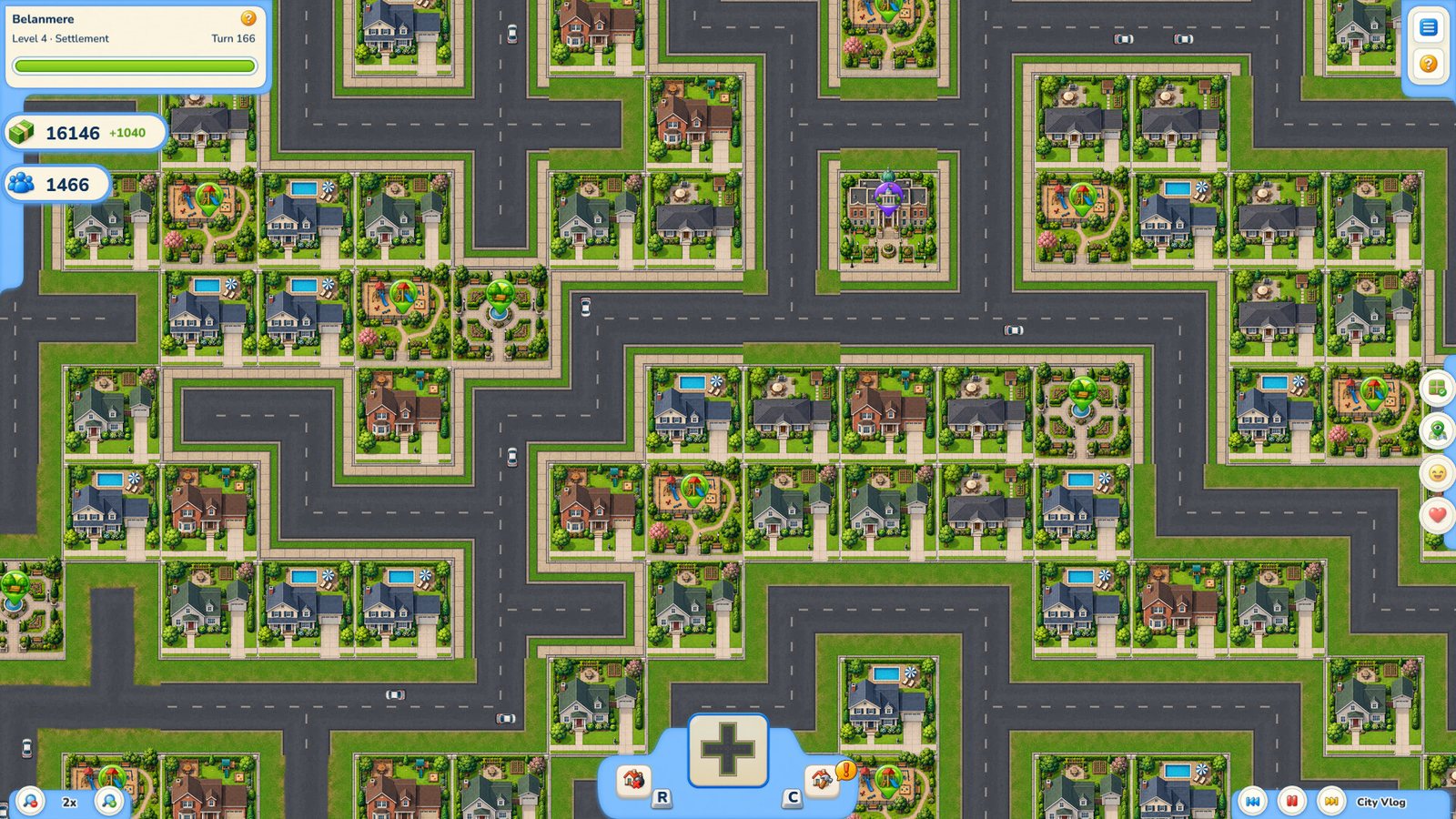
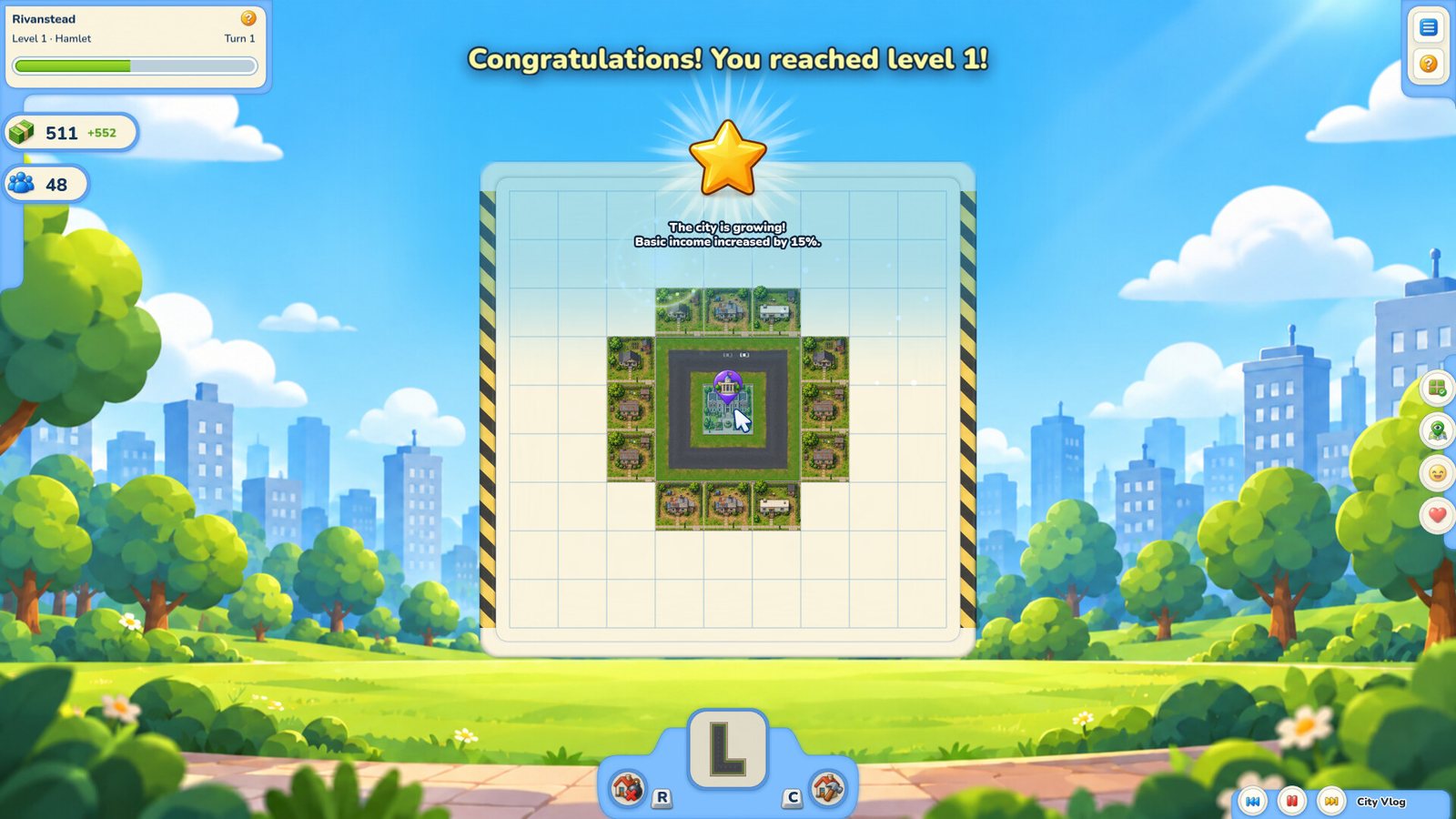
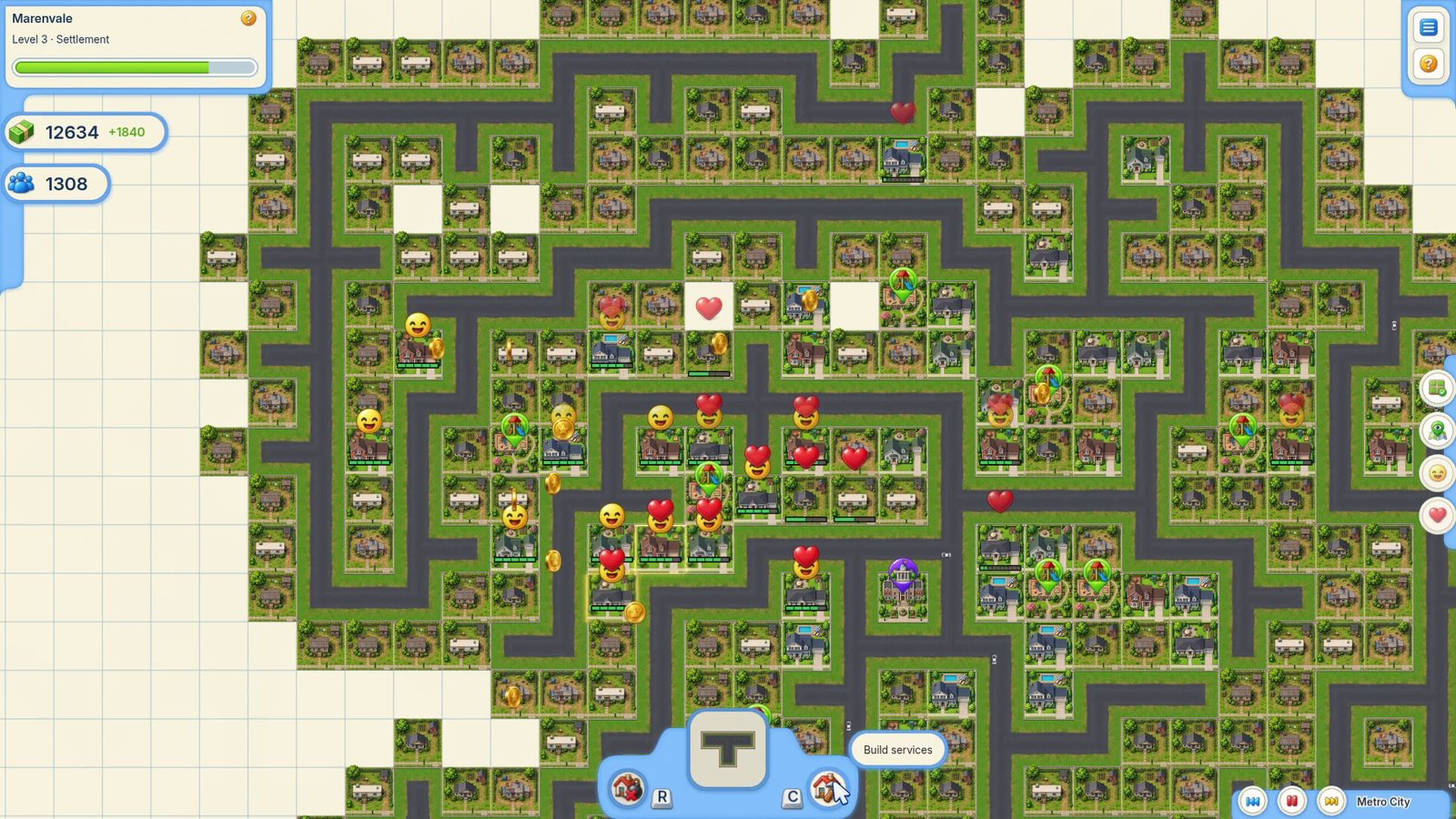
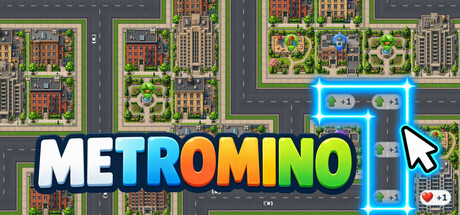
AI use, per the developer: “Generative AI was used for some 2D game assets, which were reviewed and edited by the developer.”
Store trailer (local 480p copy)
What we see: Tidy top-down city tiles carry most of the game. The bright, stock-illustration-style park and skyline backdrop on the result screens is the kind of generic cartoon scene image generators produce easily.
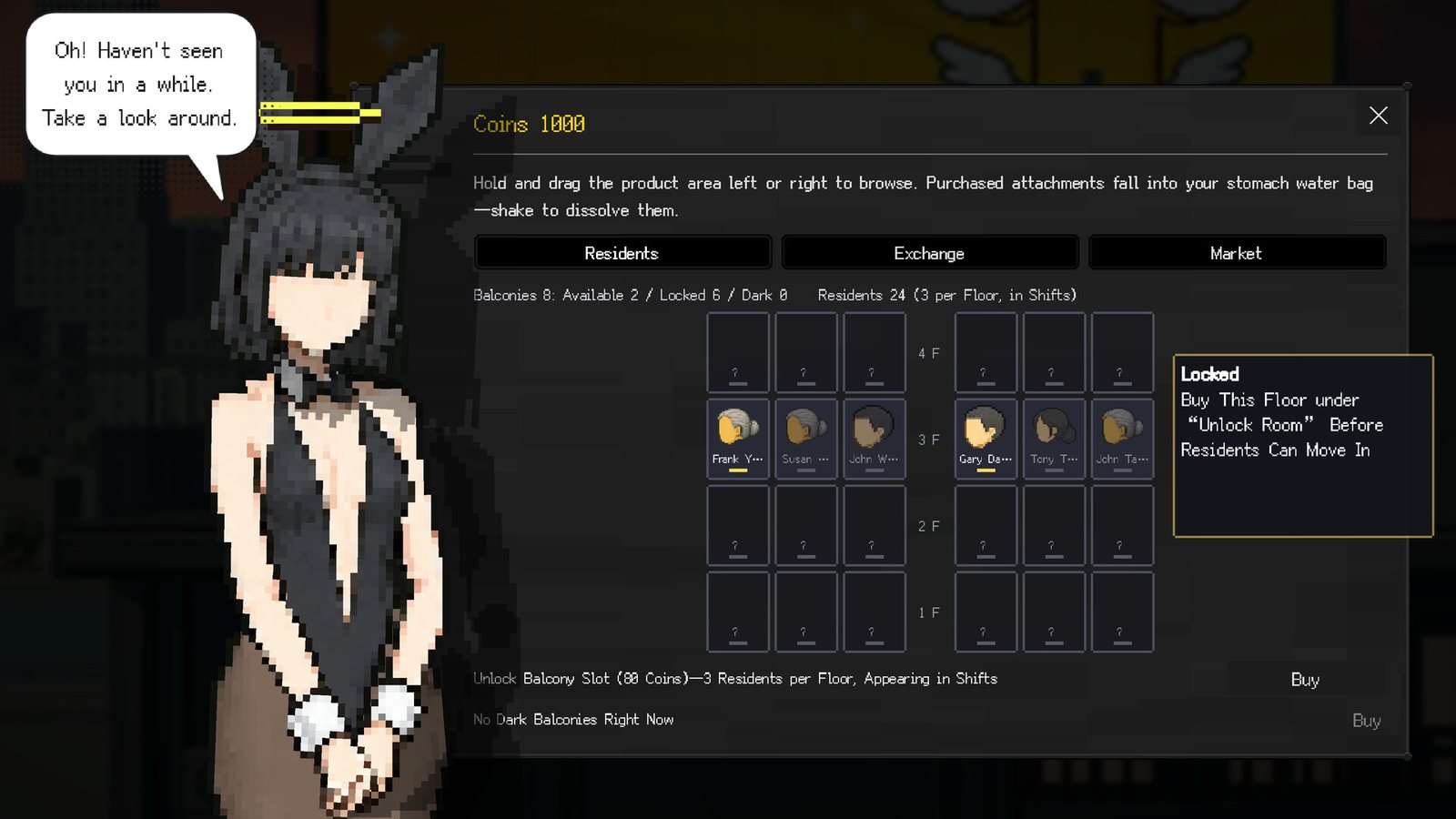
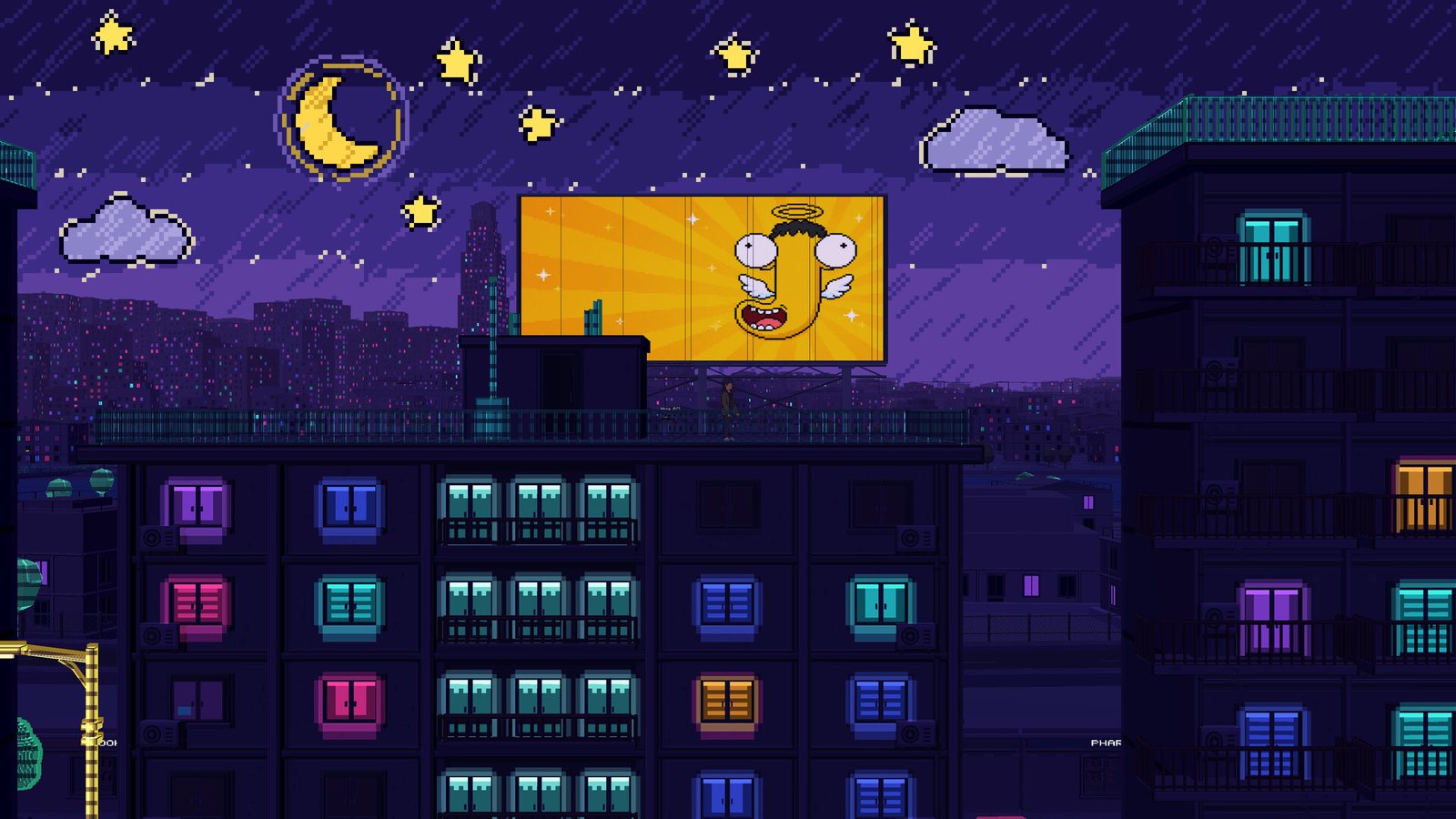
AI use, per the developer: “Some visual assets and portions of the game’s code were created with the assistance of generative AI,” reviewed and edited by the developer.
Store trailer (local 480p copy)
What we see: Pixel-art city scenes with a large cartoon billboard mascot and an anime-style character portrait in the dialogue. The styles are mixed, but the overall look is deliberate and stylised rather than obviously generated.
AI use, per the developer: “Artificial intelligence was utilized in visual design and in-game audio. AI support was also employed to some extent in coding.”
Store trailer (local 480p copy)
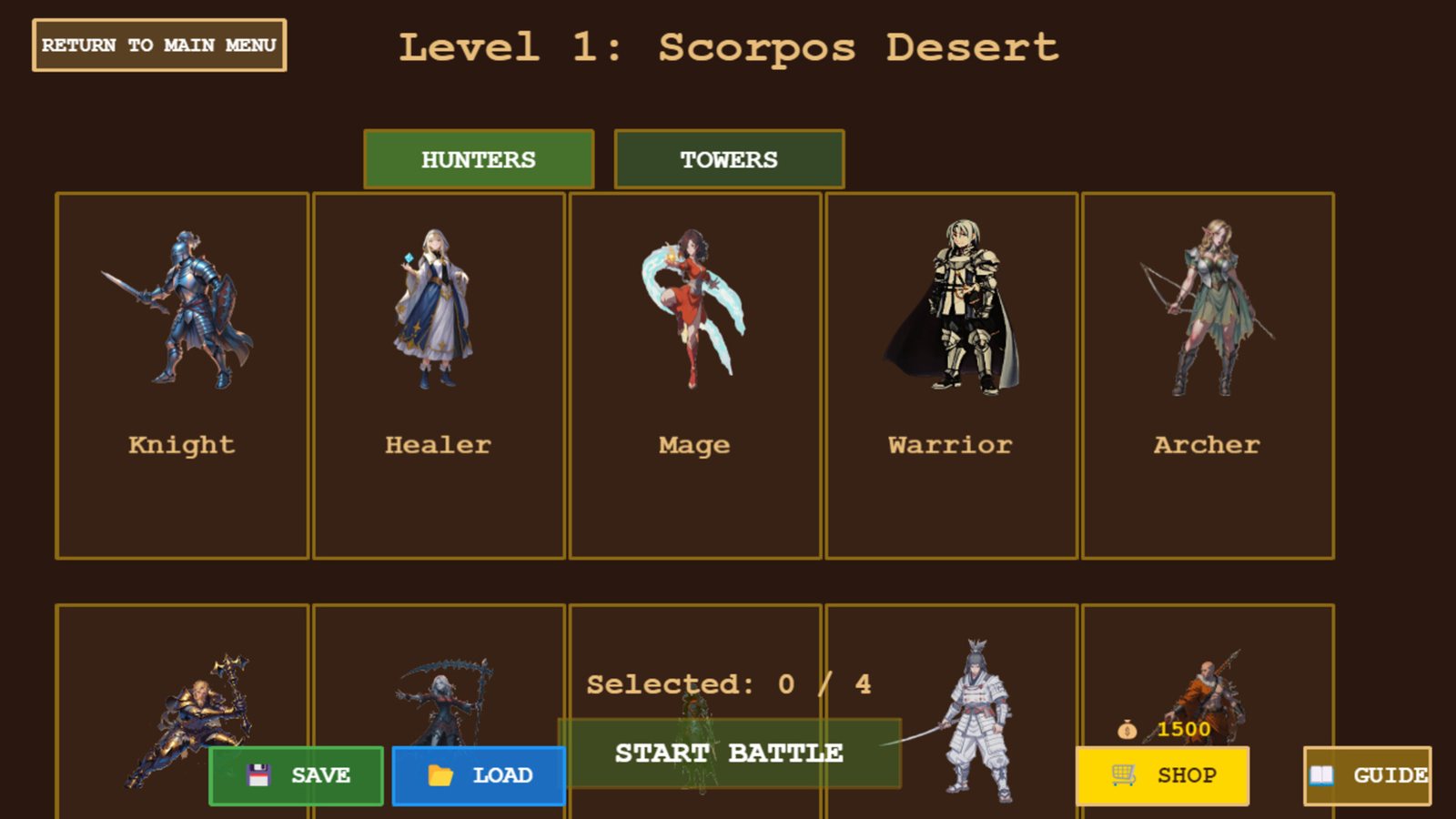
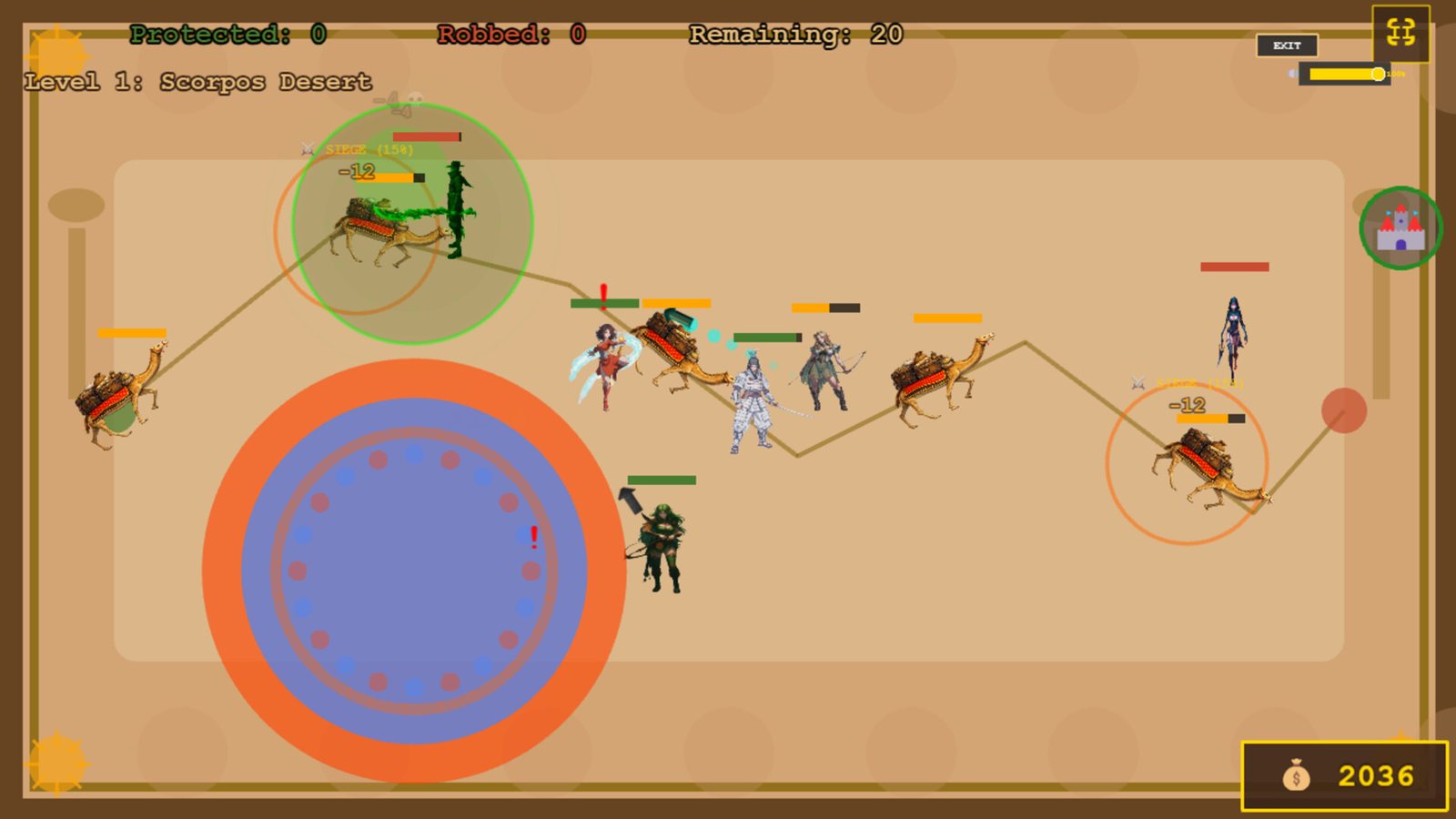
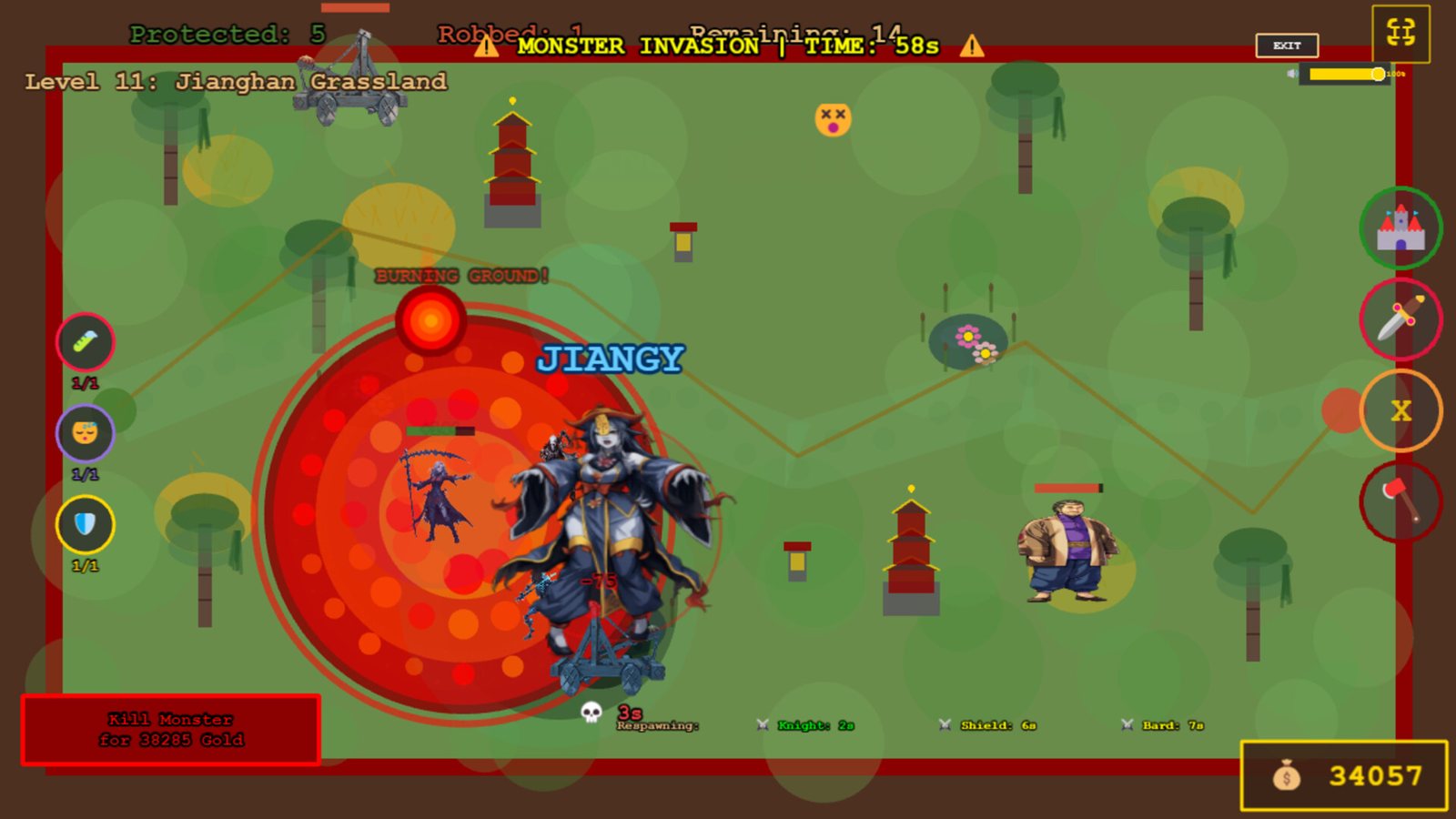
What we see: A tower-defence game with painted unit portraits on menu cards and a separate, simpler map style. The unit art and the battlefield don't feel like they came from the same hand, which is a common sign of mixed AI and hand-made assets.
AI use, per the developer: “Some visual assets, promotional artwork, and portions of the localization were created or assisted using generative AI.”
Store trailer (local 480p copy)
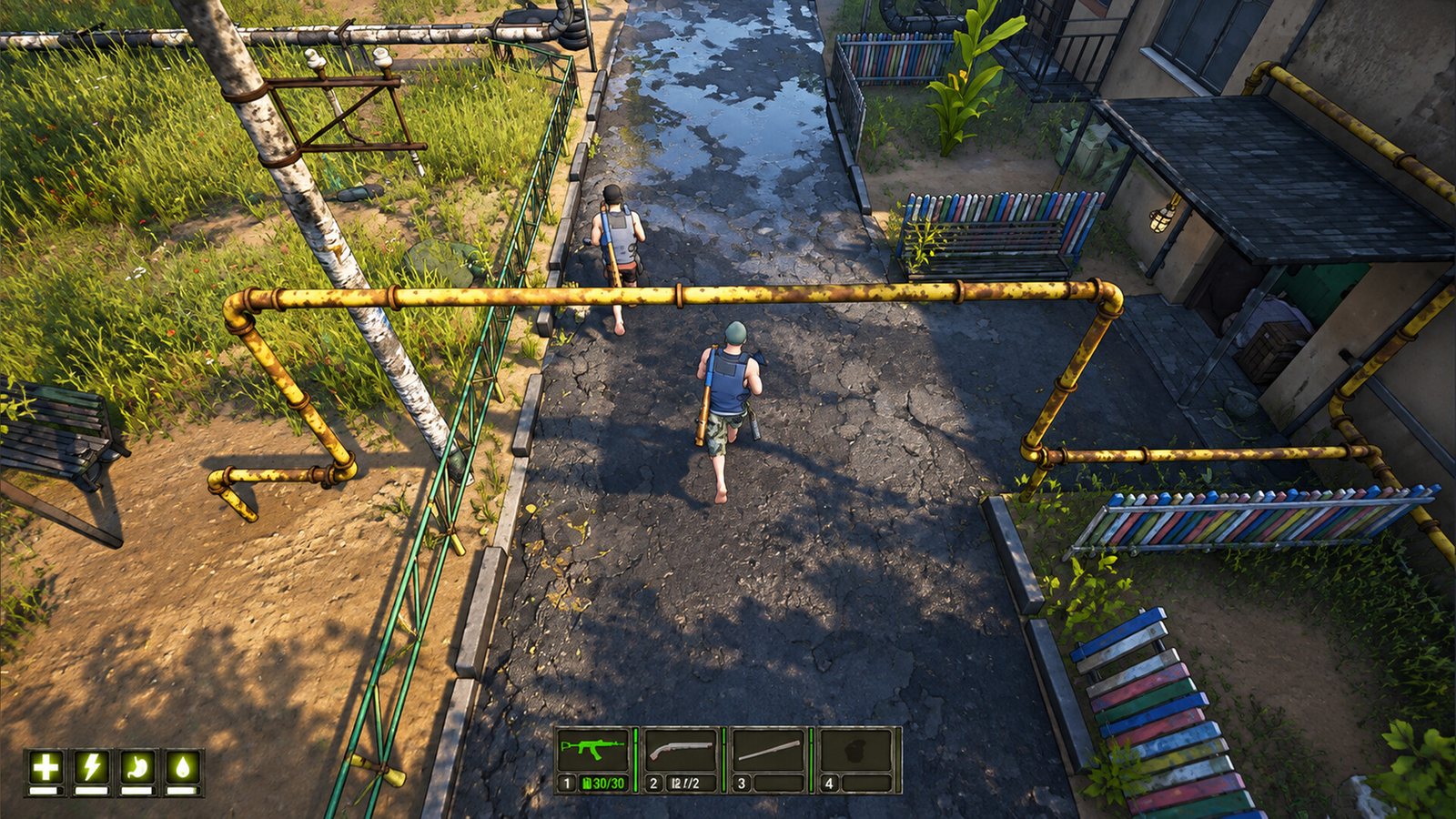
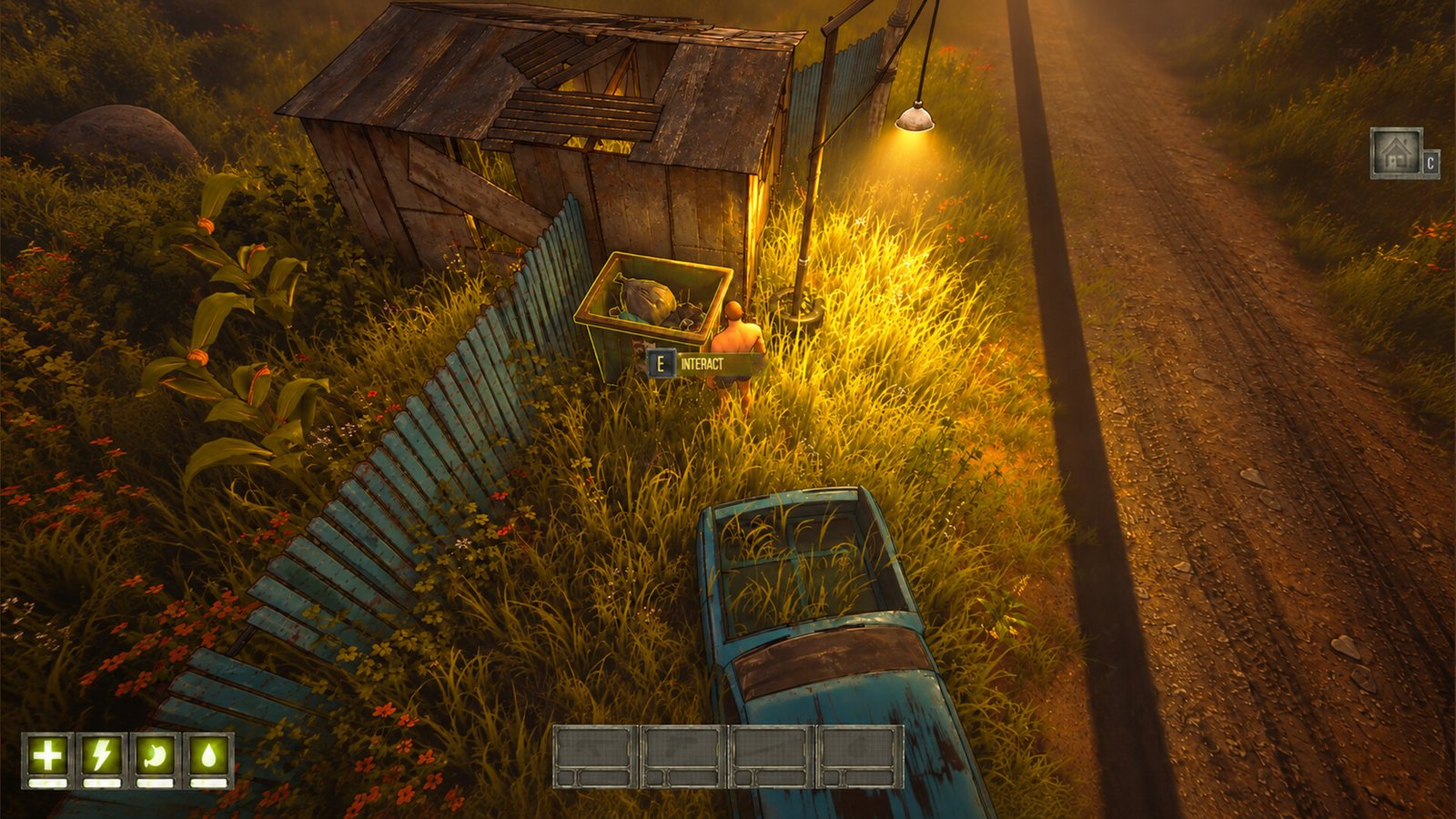
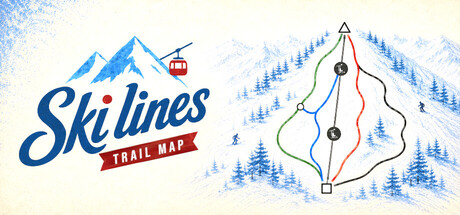
What we see: Conventional-looking top-down 3D survival: roads, forests, zombies, inventory screens. From the gameplay screenshots alone it's hard to point at anything that reads as AI-made. The disclosure mentions promotional art as well, which you see on the capsule rather than in the game.
AI use, per the developer: “Generative AI tools were used to assist in creating some pre-generated 3D models, textures, and promotional assets.”
The store page had no trailer when we checked.
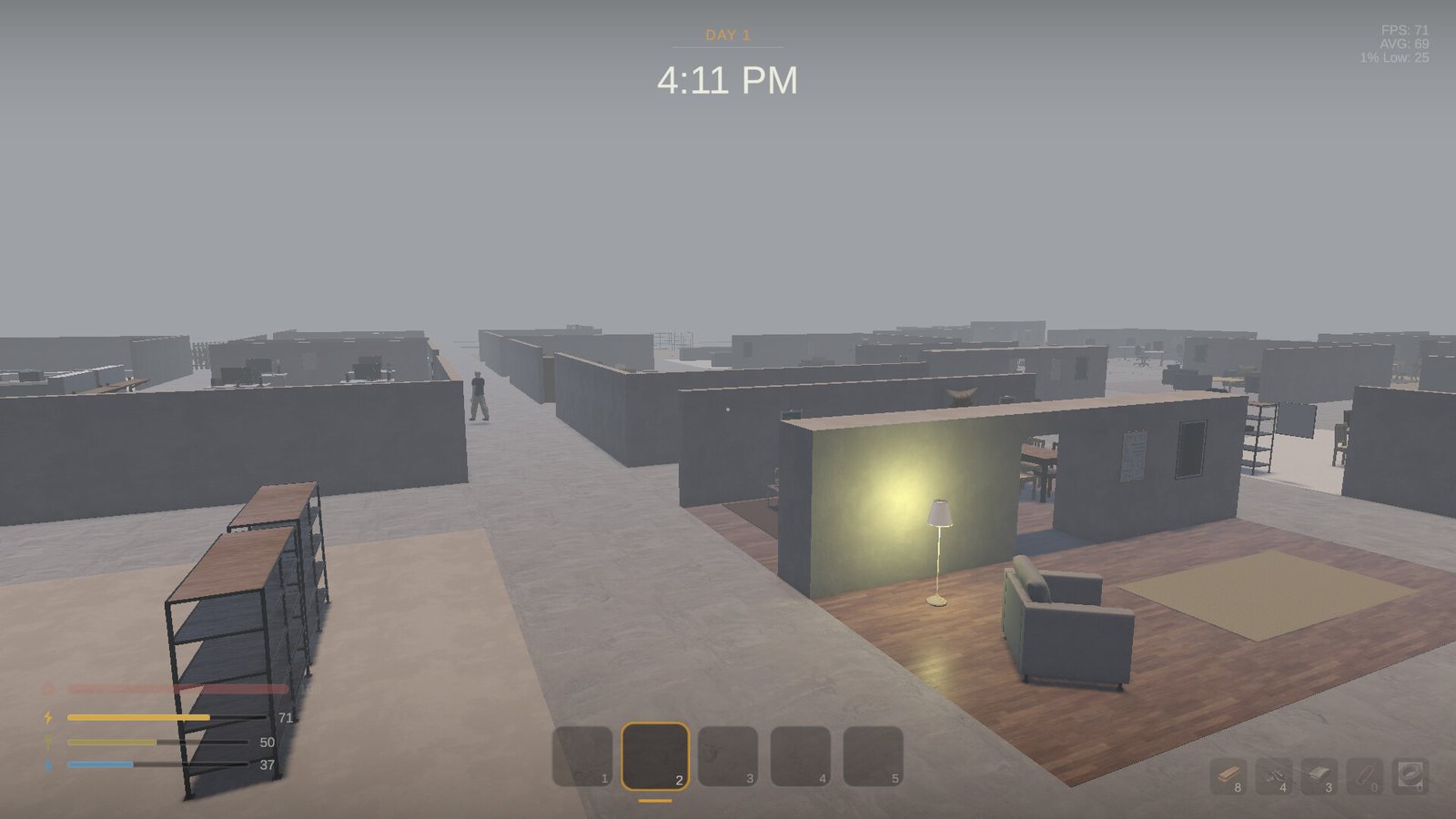
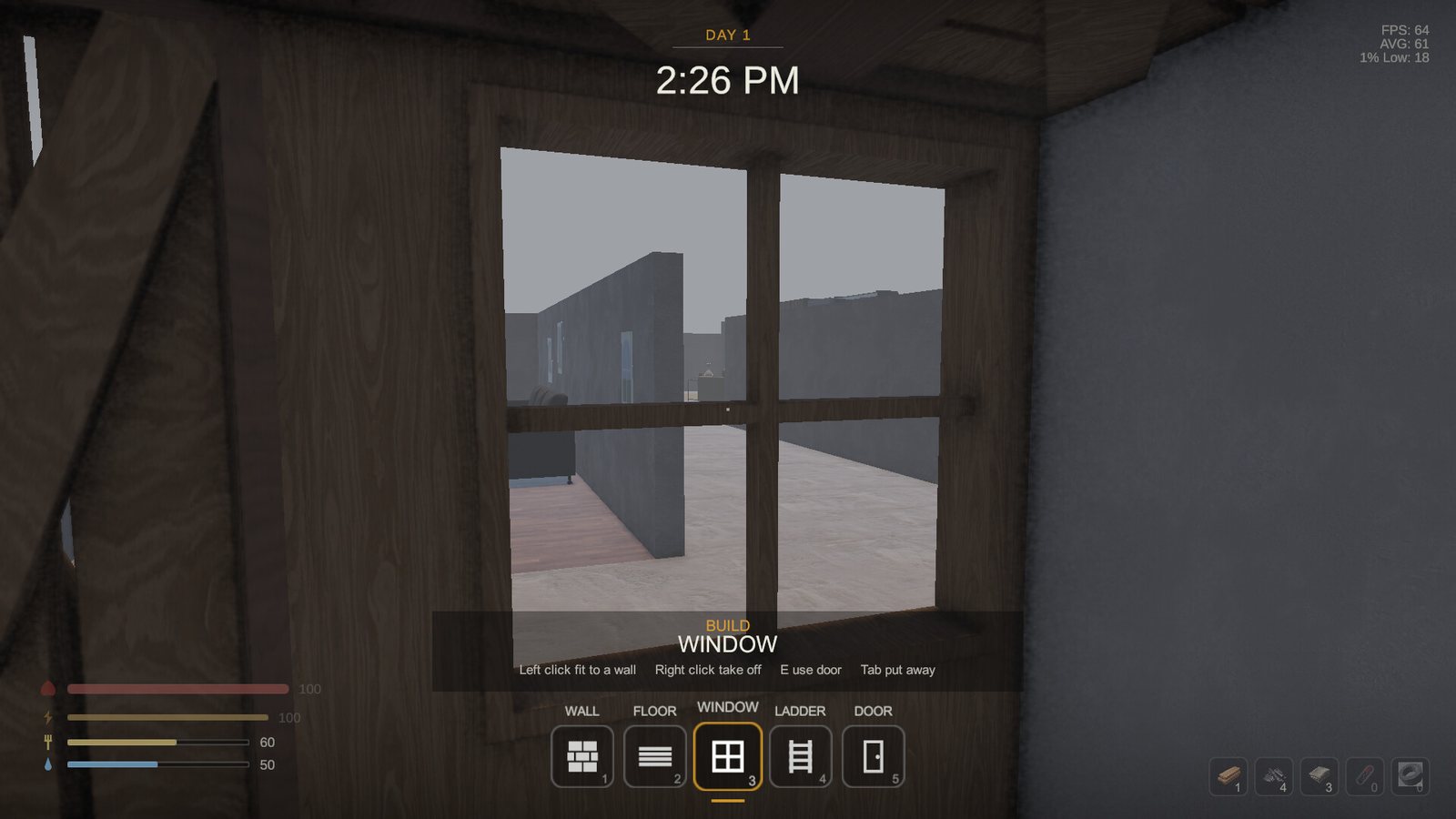
What we see: An early-looking, sparsely furnished 3D prototype with simple props and flat lighting. Nothing here looks like the glossy AI-art stereotype, which is a reminder that AI-assisted 3D models and textures can look like any other placeholder art.
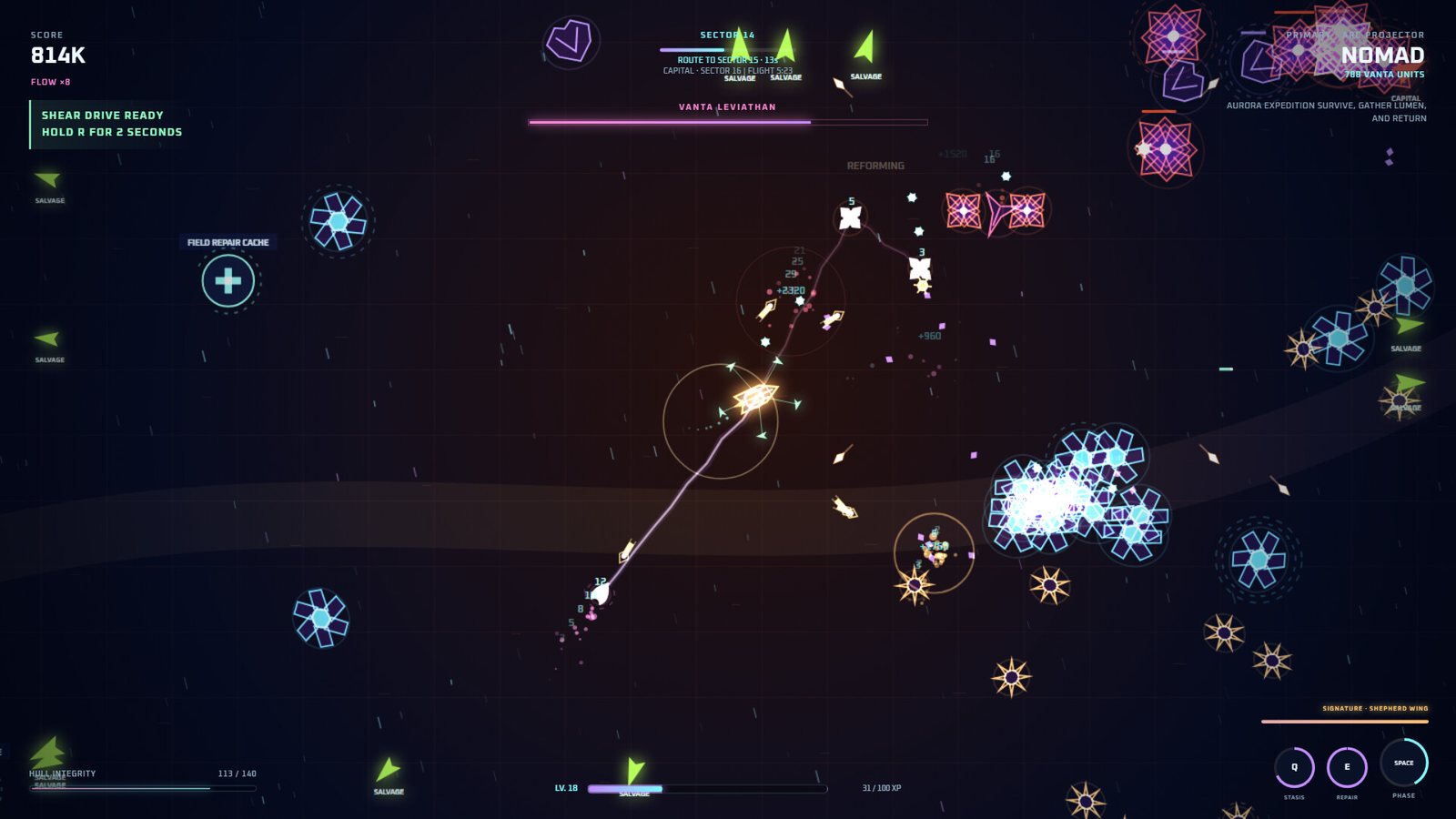
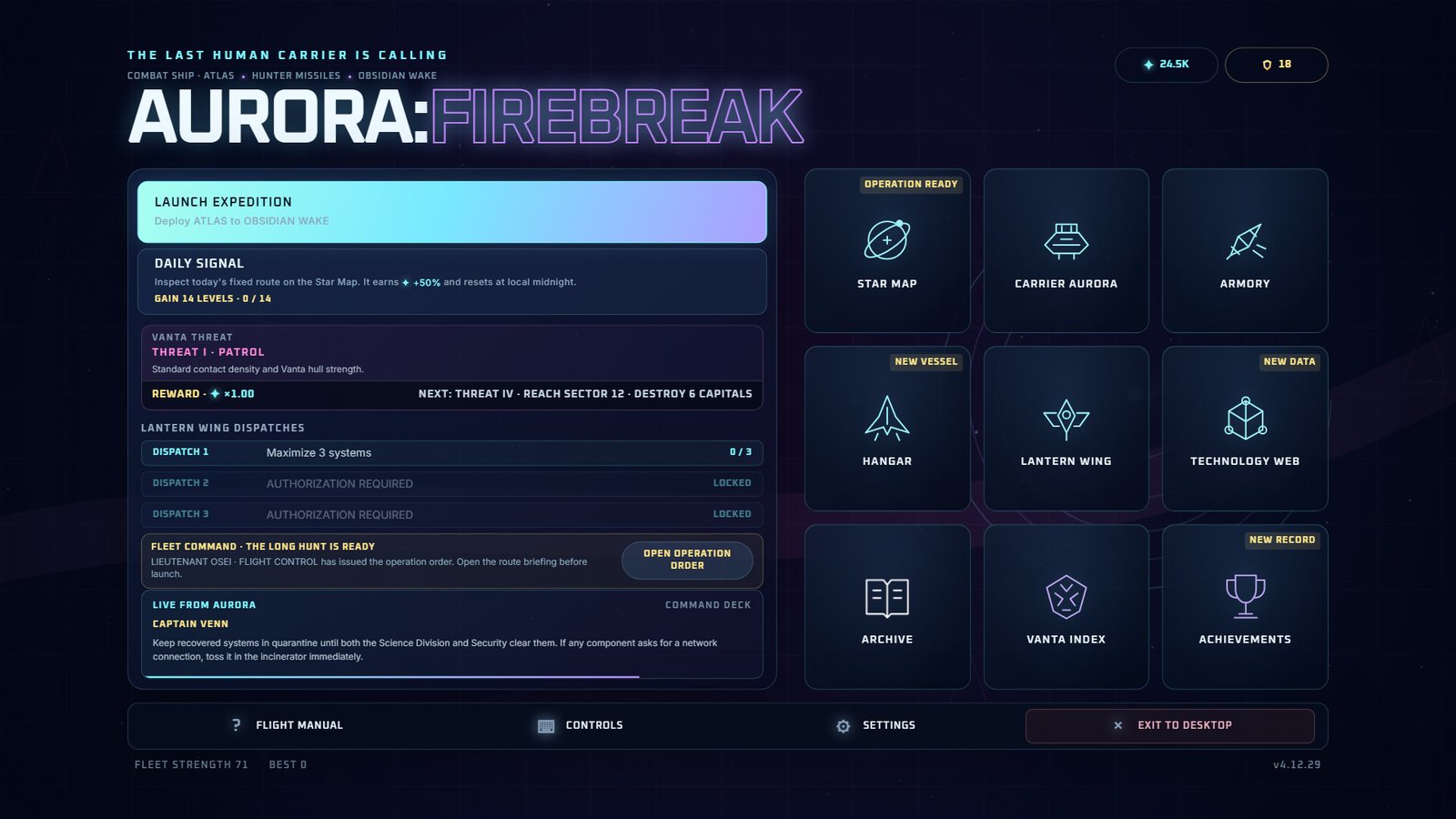
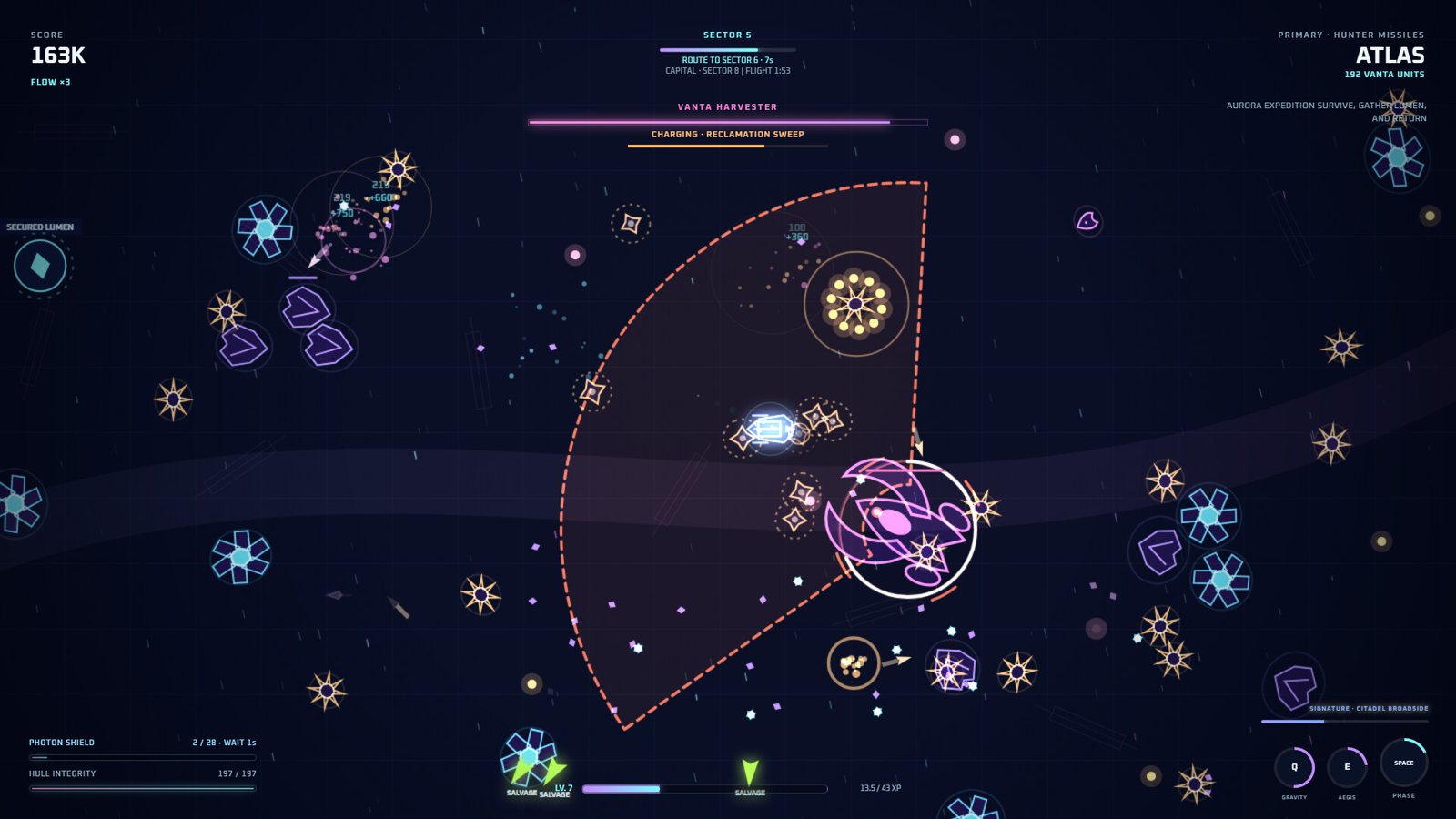
AI use, per the developer: “Generative AI was used during development for much of the current artwork and parts of the game's writing.” The developer calls the current store art “placeholder material”.
Store trailer (local 480p copy)
What we see: Dark, interface-heavy space strategy: star maps, tech trees, hangar menus and tiny ship icons. The AI artwork mentioned in the disclosure is mostly in the icons and store art rather than anything large on screen.
AI use, per the developer: AI tools used “only as a starting point” for some item icons, UI images, parts of the world map and some background and weapon assets, all “edited, composited, retouched, or remodeled by our art team”.
Store trailer (local 480p copy)
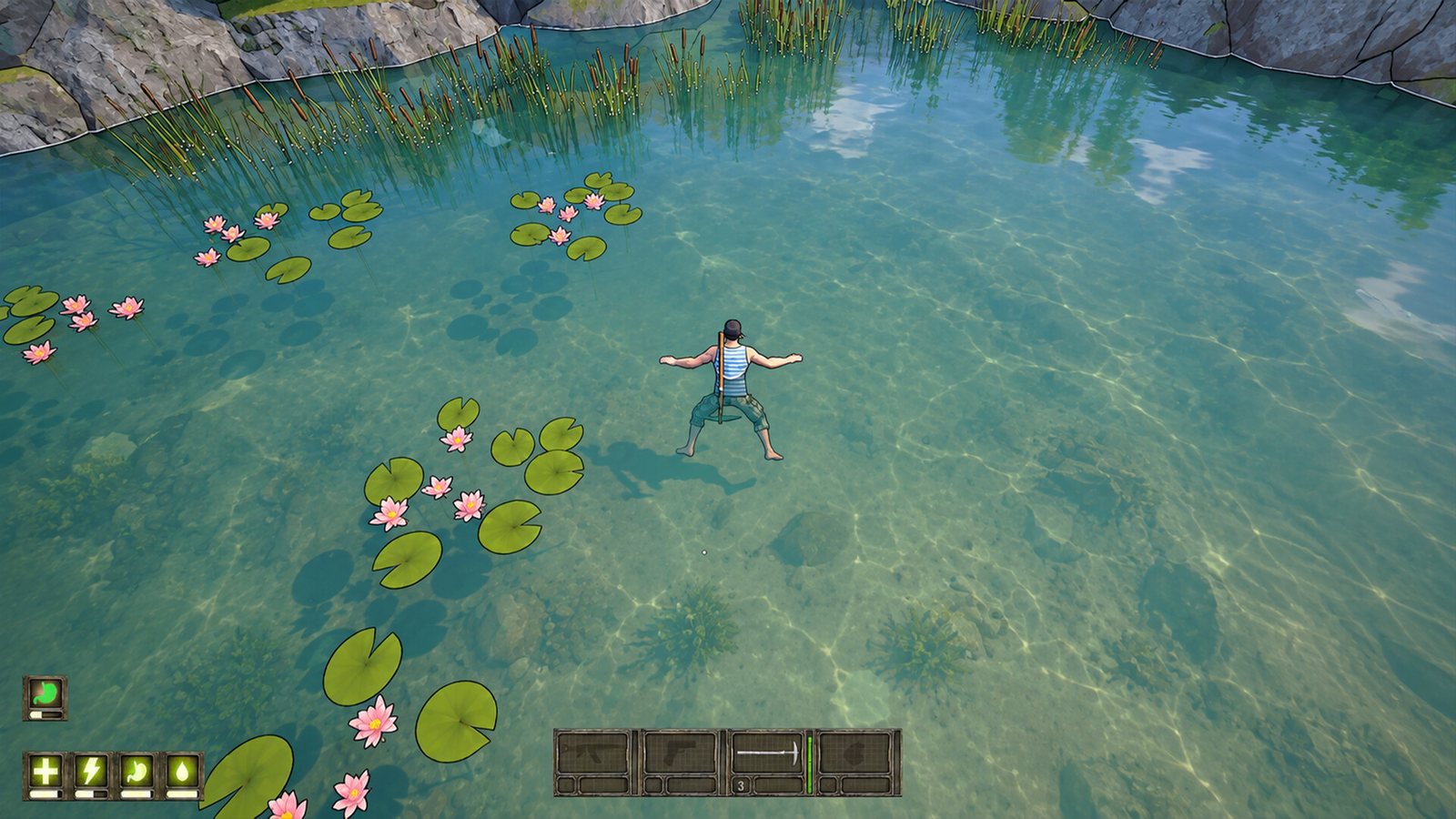
What we see: Large-budget 3D fantasy environments and combat that look like any conventional big-studio action RPG. This is the far end of the spectrum: the same label as the games above, with no visible “AI look” in the store media.
Put side by side, these twelve make the problem with a yes/no label obvious. Readers, players and press lists that treat “disclosed” as one category are lumping together a cartoon card game with AI backdrops, a big-studio RPG that used AI for some icons, and a prototype with a few AI-assisted textures. The rest of this article measures how that whole mixed group performed.
Scope
The data: what we measured
Sources and coverage. All times UTC−3.
Item
What it is
Universe
7,130 demos confirmed as participants in Steam Next Fest, October 2026
Fest window
19 Oct 2026 14:00 → 26 Oct 2026 14:00 (UTC−3)
Cohort A (Steam disclosure)
Store page contains the heading “AI Generated Content Disclosure”: 2,437 yes · 4,470 no · 223 unknown
Wishlist Δ and follower Δ over the fest window. Gamalytic ESTIMATES.
Lift coverage
7,094 demos with usable before/after data points; 36 excluded
Public Steam signal
Steam’s “Most played demos” top 100, snapshot 26 Oct 2026 ~09:33 (UTC−3); 98 of 100 titles were in the fest universe
Not available
Page visits, impressions, conversion and revenue for these demos. Valve doesn’t publish them for other developers’ games.
Timing matters here. The disclosure census ran on 27–28 October 2026, after the fest closed. The Gamalytic flag snapshot is from the morning of 27 October. Developers can edit the disclosure whenever they like, and we caught at least one page removing it the evening we checked. So “disclosed” means disclosed when we looked, which is very likely, but not certainly, the same as during the fest.
Definitions
How to read the numbers
Wishlist Δ: estimated wishlists at the last data point on or before fest close, minus the last data point before fest start. Steam does not publish wishlist counts. Gamalytic models them largely from followers, so this is an estimate.
Follower Δ: the same window, using follower counts. Steam shows follower counts publicly, so this is the less modelled of the two. It is still not independent of wishlist Δ, because the wishlist estimate is built on followers.
Median is the headline throughout. A handful of breakout games dominate the means and sums, so the median is a fairer picture of the typical demo.
Baseline band: demos grouped by pre-fest wishlist estimate (<100, 100–499, 500–1,999, 2,000–9,999, ≥10,000). Bands compare like with like.
Top-100 DAUD: Steam's public “Most played demos” chart ranks demos by daily active users. It shows ranks, not player counts.
Headline result
Cohort A: disclosed vs non-disclosed
Start with the raw comparison. Across all demos with usable data, the typical disclosed demo gained fewer wishlists and fewer followers than the typical non-disclosed demo, and slightly fewer than the fest as a whole.
Figure 1. Median estimated wishlist Δ over the fest window. Disclosed 54, non-disclosed 72, all fest 60. That is −25% vs non-disclosed and −10% vs all. Gamalytic ESTIMATES.Figure 2. Median follower Δ over the fest window: 4 vs 6 vs 5. Followers are publicly visible on Steam, but the wishlist estimate is modelled from them, so Figures 1 and 2 are not independent evidence.
Table 1. Cohort A lift summary. Wishlist and follower figures are Gamalytic ESTIMATES.
Group
Demos
With data
Median wl Δ
Mean wl Δ
p90 wl Δ
Sum wl Δ
Median fol Δ
Median baseline
Disclosed
2,437
2,422
54
335.1
431.4
811,705
4
132
Non-disclosed
4,470
4,452
72
842.0
1,171.4
3,748,635
6
228
Unknown (gated pages)
223
220
582
2,161.3
4,716.4
475,490
49
2,190
All fest
7,130
7,094
60
709.9
948.7
5,035,830
5
192
Share of demos with zero or negative wishlist Δ: disclosed 10.2%, non-disclosed 8.6%, all 8.9%.
Share gaining 1,000+ wishlists: disclosed 4.8%, non-disclosed 11.3%, all 9.8%.
A Mann-Whitney U test (disclosed vs non-disclosed) gives p ≈ 3.2e-12 for wishlist Δ and 2.6e-11 for follower Δ. For pre-fest size it gives p ≈ 3.4e-63. The two groups differ far more in how big they were than in how much they grew.
Figure 3. Share of demos that gained 1,000+ estimated wishlists during the fest.
Why raw medians mislead
The size problem
The p-value on baseline size is the clue. Disclosed demos came into the fest much smaller. Their median pre-fest wishlist estimate was 132, against 228 for non-disclosed demos.
Figure 4. Median pre-fest wishlist baseline (Gamalytic ESTIMATE). Disclosed demos started the fest at a little over half the size of non-disclosed ones.
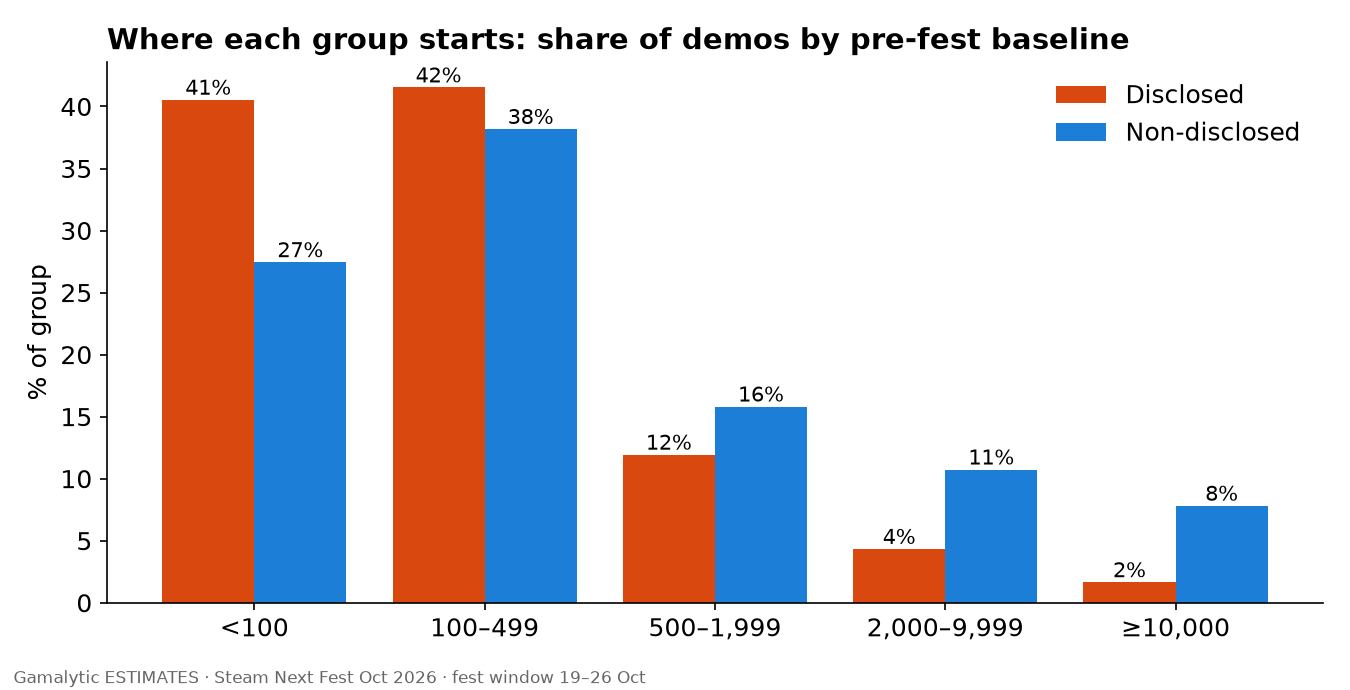
Look at where each group sits and the picture sharpens. 82% of disclosed demos (1,988 of 2,422) started below 500 wishlists. Small games add fewer wishlists in absolute terms almost by definition. A group that is mostly small will have a lower median whatever is printed on its store pages.
Figure 5. Distribution of each group across pre-fest wishlist bands. Disclosed demos are heavily concentrated below 500 wishlists. Only 40 disclosed demos started at 10,000+, against 348 non-disclosed.
Controlling for baseline
Same-size comparison
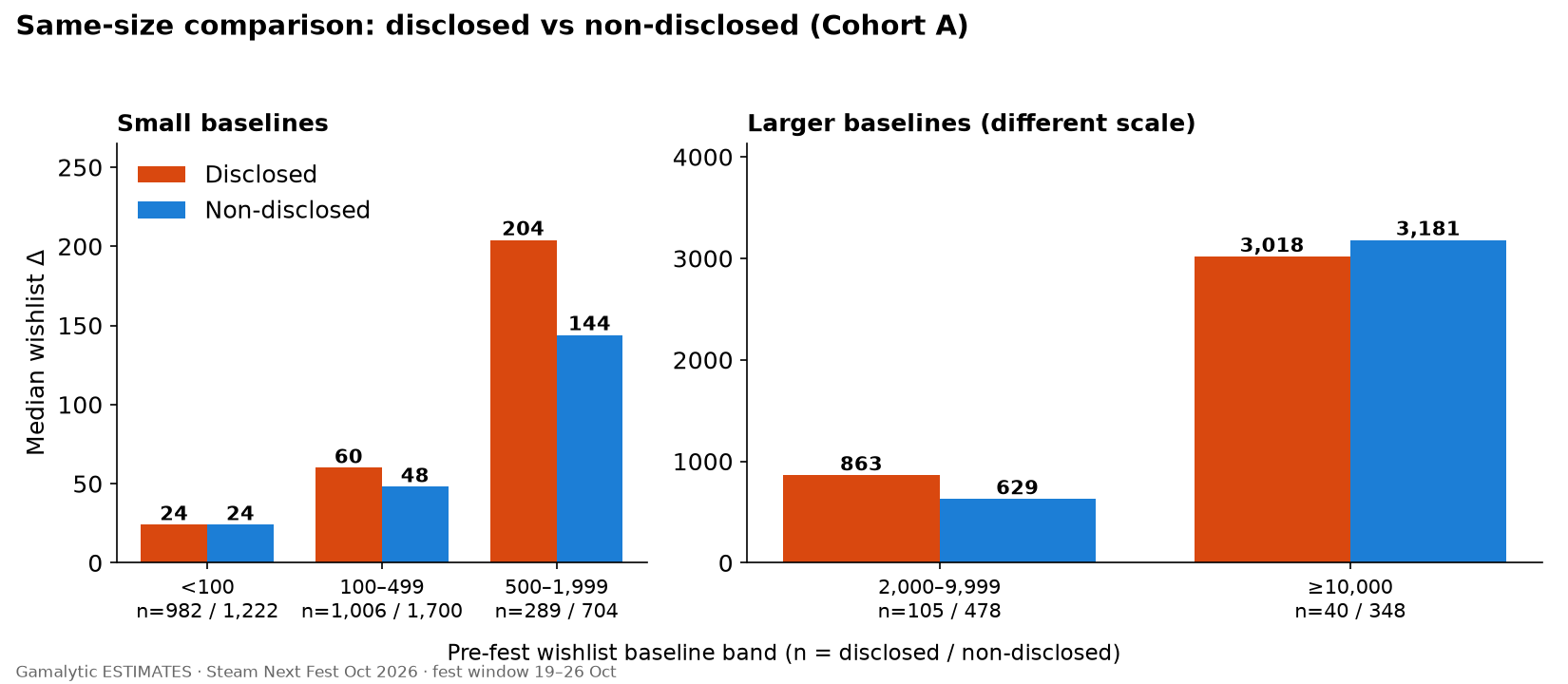
Here is the fairer comparison: disclosed and non-disclosed demos of a similar size. The result flips in most bands.
Figure 6. Median wishlist Δ by pre-fest baseline band, Cohort A. Disclosed demos match or beat non-disclosed demos in 4 of 5 bands. They trail only at ≥10,000 (3,018 vs 3,181, n=40 disclosed). Gamalytic ESTIMATES.
Table 2. Median wishlist Δ / median follower Δ by baseline band. Gamalytic ESTIMATES.
Pre-fest wishlists
Disclosed n
Disclosed wl Δ / fol Δ
Non-disclosed n
Non-disclosed wl Δ / fol Δ
All fest wl Δ
<100
982
24 / 2
1,222
24 / 2
24
100–499
1,006
60 / 5
1,700
48 / 4
60
500–1,999
289
204 / 16
704
144 / 11
168
2,000–9,999
105
863 / 55
478
629 / 41
684.5
≥10,000
40
3,018 / 157
348
3,181 / 173
3,180
In the 500–1,999 band, the typical disclosed demo gained 204 wishlists against 144. In the 2,000–9,999 band the figures were 863 vs 629. In the smallest band the estimates move in coarse steps, and every group lands on the same median of 24.
Bands control for one thing only: starting size. Genre, team size, marketing budget, trailer quality and demo length are all uncontrolled. The ≥10,000 disclosed band has just 40 demos.
Public signal
The breakout tier: Steam’s top 100
Medians describe the typical demo. Next Fest careers, though, are often made at the top: the demos that reach Steam's “Most played demos” chart and gain tens of thousands of wishlists in a week. That tier looks very different.
Figure 7. Share of the fest vs share of the top-100 most-played demos (snapshot 26 Oct 2026). Disclosed demos held 12 of the 98 in-fest slots, 0.36× their share of the fest.
Table 3. Representation on Steam’s ‘Most played demos’ top 100. Two charted titles were not in the fest universe.
Group
In top 100
Share of 98
Share of fest
Top 10
Top 50
Disclosed
12
12.2%
34.2%
0
3
Non-disclosed
82
83.7%
62.7%
10
45
Unknown (gated)
4
4.1%
3.1%
0
1
Figure 8. Disclosed demos’ share of the fest vs their share of results. Gamalytic ESTIMATES for the wishlist and follower sums.
Twelve disclosed demos made the chart. None reached the top 10, and only three reached the top 50. Here they are, with their rank and estimated wishlist gain during the fest:
Disclosed demos in Steam’s top-100 most played (26 Oct 2026)
This is also where size bites hardest. Chart-toppers tend to arrive with large pre-fest audiences, and only 40 disclosed demos started the fest above 10,000 wishlists. With the data we have, we can't separate the effect of the label from the fact that disclosed games are smaller.
Counter-examples
Disclosed demos that broke out anyway
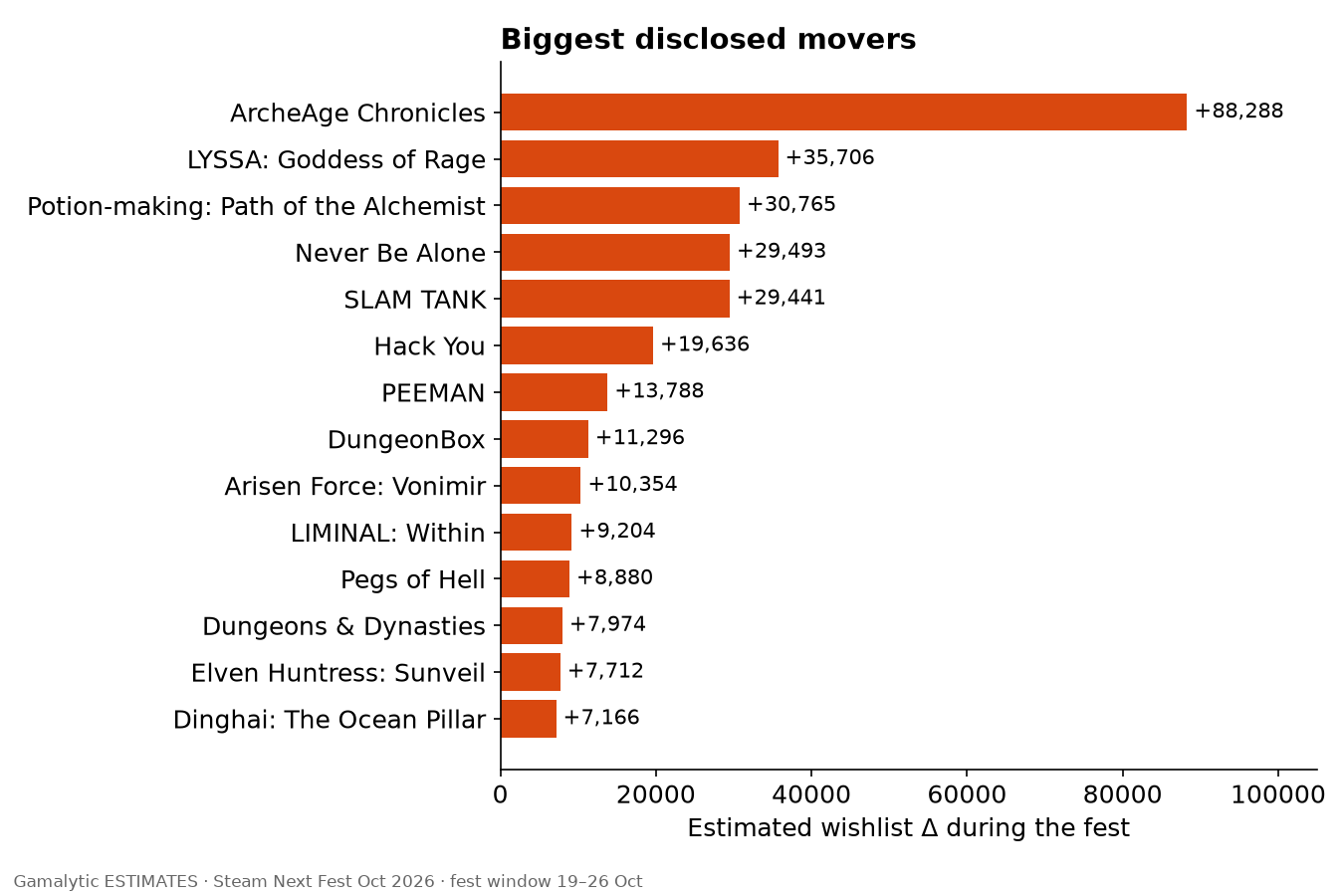
A thin breakout tier is not the same as no breakout tier. Several disclosed demos had big weeks, some of them from tiny baselines.
Figure 9. Largest estimated wishlist gains among disclosed demos during the fest. Gamalytic ESTIMATES.
Big disclosed movers
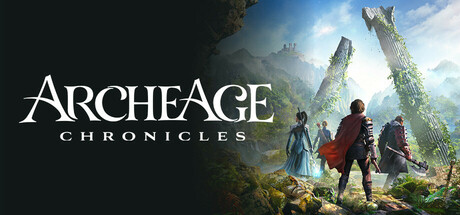
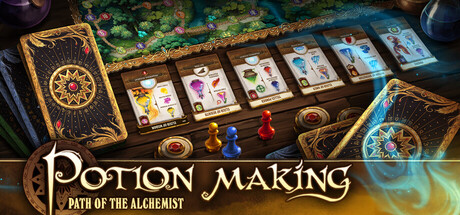
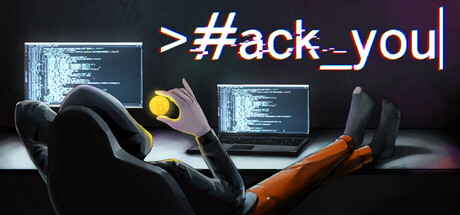
LYSSA: Goddess of Rage+35,706 wl (est.) from a baseline of 391Potion-making: Path of the Alchemist+30,765 wl (est.) from 11,328Hack You+19,636 wl (est.) from 9,411PEEMAN+13,788 wl (est.) from 12ArcheAge Chronicles+88,288 wl (est.) · top-100 #13SLAM TANK+29,441 wl (est.) · top-100 #59
LYSSA: Goddess of Rage went from an estimated 391 wishlists to roughly 36,000 in one week. PEEMAN started at an estimated 12. Whatever held the disclosed group back on average, it clearly did not stop individual disclosed games from breaking out.
Unknown bucket
The 223 we could not see
223 store pages could not be classified. 222 sat behind an adult-content gate or a sign-in wall, and one was a redirect or removed page. These are not “non-AI”. We simply could not read the page.
They are a very different population: median baseline 2,190 wishlists, median wishlist Δ 582, median follower Δ 49.
Four of them are in the top 100.
Sensitivity check: folding all 223 into “non-disclosed” leaves that group's medians unchanged at 72 / 6. Folding them all into “disclosed” lifts the disclosed medians to 60 / 5. That is still below non-disclosed, but equal to the fest-wide median.
So disclosed < non-disclosed holds whichever way the unknowns fall. Disclosed < all fest depends on them.
A second lens
Cohort B: the third-party AI flag
Steam's disclosure is the official signal, but many tools, dashboards and press lists rely on third-party data. So we repeated the analysis with Gamalytic's `aiContent` flag (snapshot 27 Oct 2026). It is a third-party field with an undocumented method, not a Valve label. We report it as “Gamalytic says”, never as “Steam says”.
Figure 10. Cohort B median estimated wishlist Δ: flagged 48, not flagged 72, all 60. Median follower Δ: 4, 6, 5. Gamalytic ESTIMATES.
Table 4. Cohort B lift summary. Gamalytic ESTIMATES; flag is third-party.
Group
Demos
With data
Median wl Δ
Mean wl Δ
Sum wl Δ
Median fol Δ
Median baseline
Flagged
2,429
2,420
48
332.4
804,513
4
132
Not flagged
4,683
4,674
72
905.3
4,231,317
6
252
Not flagged, excl. gated pages
4,460
4,454
72
843.2
3,755,827
6
228
Missing flag
18
0
–
–
–
–
–
All fest
7,130
7,094
60
709.9
5,035,830
5
192
Flagged demos were 34.1% of the fest and produced 16.0% of summed wishlist Δ and 20.2% of summed follower Δ.
Share gaining 1,000+ wishlists: flagged 4.8%, not flagged 12.4% (11.3% excluding gated pages), all 9.8%.
Top 100: flagged demos held 11 of 98 in-fest slots (0.33× their share) and none of the top 10.
“Not flagged” includes the 223 gated pages, which Gamalytic marks false. That pushes the not-flagged baseline up (252 vs 228) but leaves the median at 72 / 6.
A step artifact
Why 48 is not really lower than 54
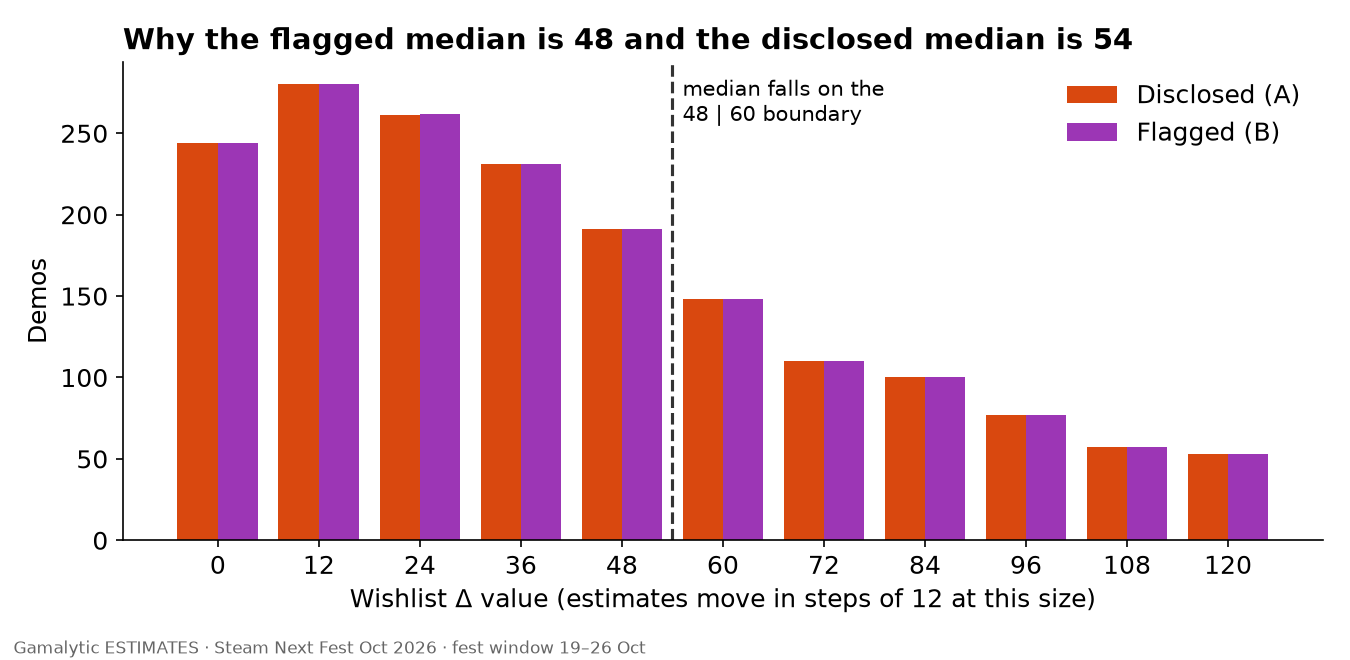
At first glance the flagged median (48) looks worse than the disclosed median (54). It isn't. The two groups are almost the same demos. The gap comes from how the estimates are rounded.
Figure 11. At small sizes, estimated wishlist Δ moves in steps of 12. Both groups have almost exactly half their demos at ≤48: 1,211 of 2,422 disclosed vs 1,212 of 2,420 flagged.
With an even number of demos, the median is the average of the two middle values. For the disclosed group the two middle values straddle the boundary (48 and 60), so the median is their midpoint, 54. For the flagged group, one extra demo at ≤48 means both middle values are 48. One demo separates the two figures. Don't report “48 vs 54” as a difference between the cohorts.
Controlling for baseline
Cohort B, same-size comparison
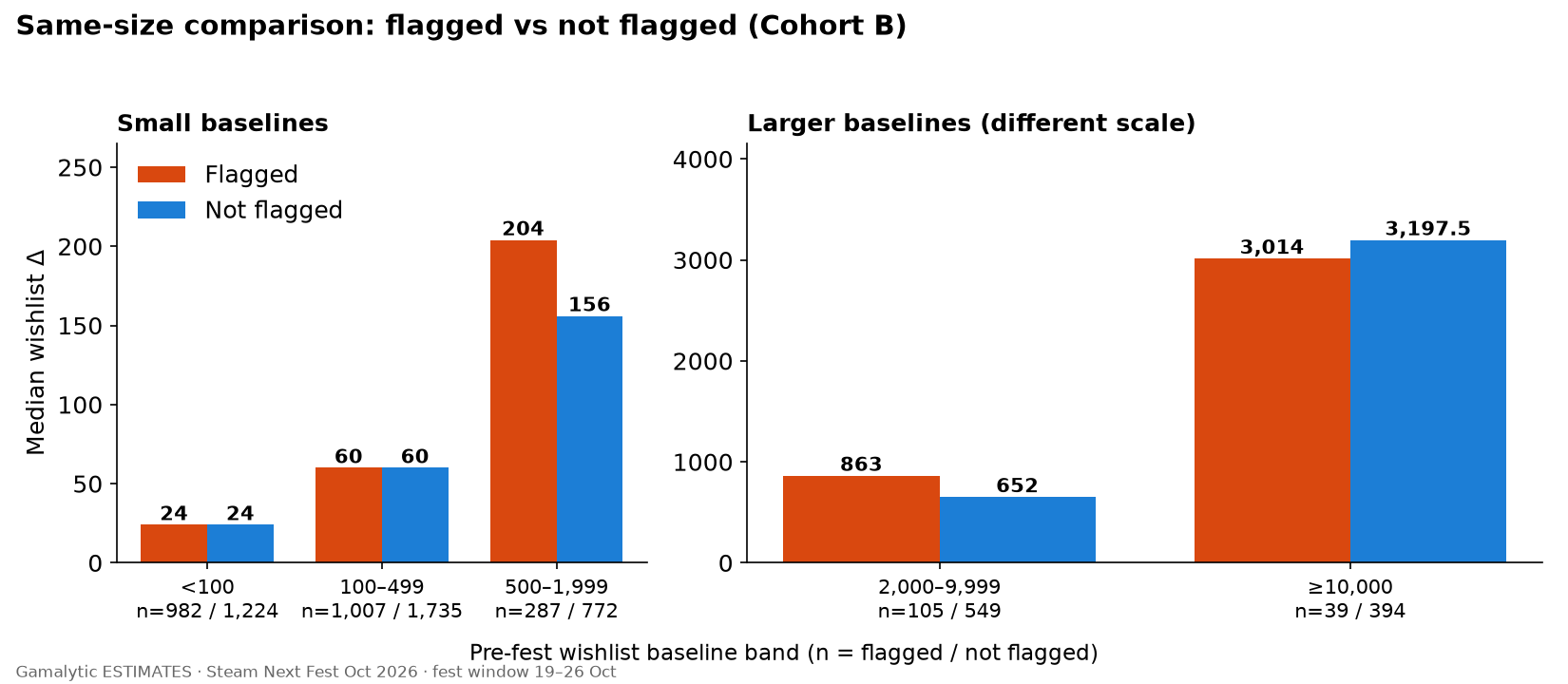
Figure 12. Median wishlist Δ by pre-fest baseline band, Cohort B. Flagged demos match or beat not-flagged demos in 4 of 5 bands, and trail at ≥10,000 (3,014 vs 3,197.5, n=39 flagged). Gamalytic ESTIMATES.
Table 5. Cohort B by baseline band. Gamalytic ESTIMATES.
Pre-fest wishlists
Flagged n
Flagged wl Δ / fol Δ
Not flagged n
Not flagged wl Δ / fol Δ
<100
982
24 / 2
1,224
24 / 2
100–499
1,007
60 / 5
1,735
60 / 5
500–1,999
287
204 / 16
772
156 / 13
2,000–9,999
105
863 / 55
549
652 / 44
≥10,000
39
3,014 / 140
394
3,197.5 / 178
The pattern repeats Cohort A almost exactly: 82.2% of flagged demos start below 500 wishlists, and within a size band the flag doesn't line up with a smaller gain except among the largest games.
A × B
How closely do the two labels match?
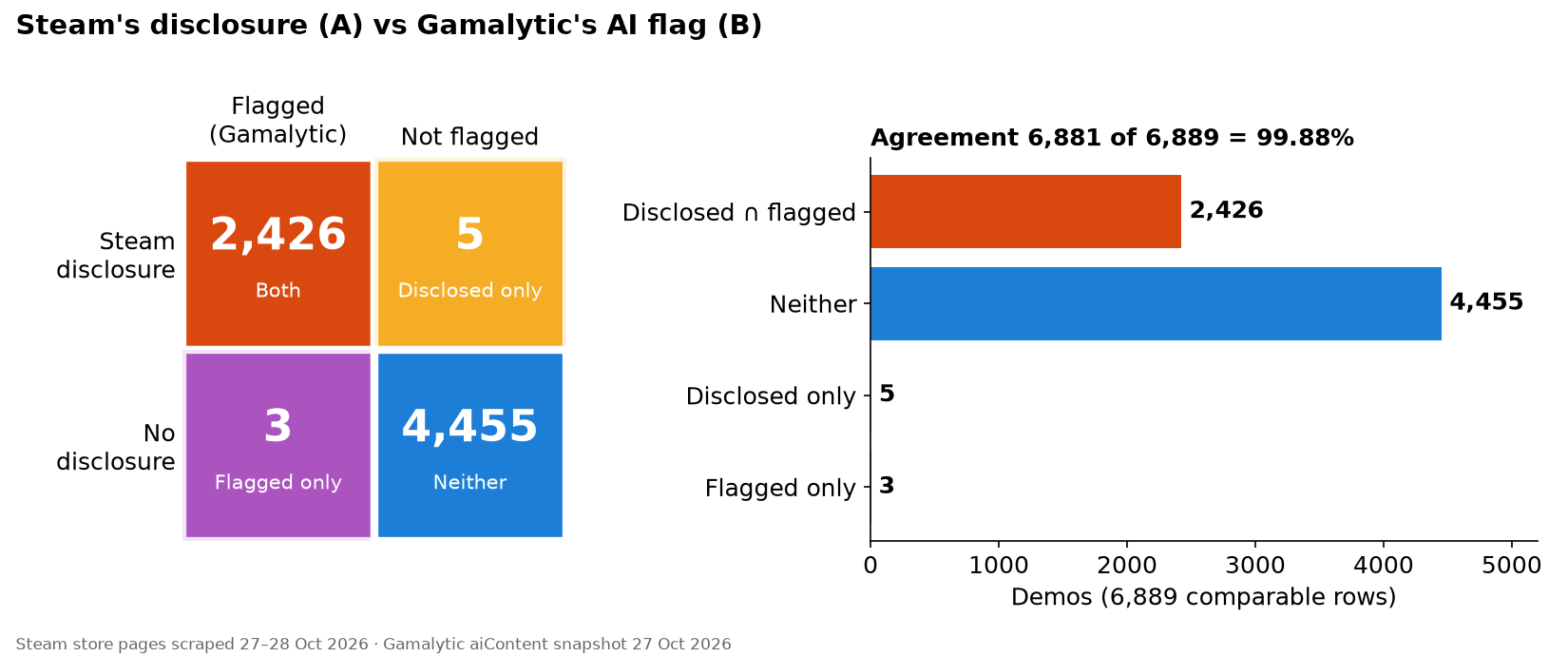
Cohort B is mostly worth running for what it says about the overlap. On the 6,889 demos where we could read the Steam page and Gamalytic had a flag, the two agreed on 6,881 (99.88%).
Figure 13. Steam disclosure × Gamalytic flag. 2,426 both · 5 disclosed only · 3 flagged only · 4,455 neither. The 223 gated pages and 18 demos with no flag are not comparable and are left out.
Table 6. Segments of the 2×2. Off-diagonal cells are too small to support any trend. Gamalytic ESTIMATES.
Segment
Demos
Median wl Δ / fol Δ
Median baseline
In top 100
Disclosed ∩ flagged
2,426
48 / 4
132
11
Disclosed only
5
444 / 34
852
1
Flagged only
3
48 / 4
120
0
Neither
4,455
72 / 6
228
82
Gated page (not “neither”)
223
582 / 49
2,190
4
The eight disagreements
With only eight disagreements, we can name every one:
Table 7. Every disagreement between Steam’s disclosure and Gamalytic’s flag.
Game
Type
Flag 27 Oct
Flag 26 Oct
Baseline
wl Δ (est.)
Top 100
Hunting Simulator 3
Disclosed, not flagged
false
true
47,383
6,470
#64
Idle Golf
Disclosed, not flagged
false
false
252
48
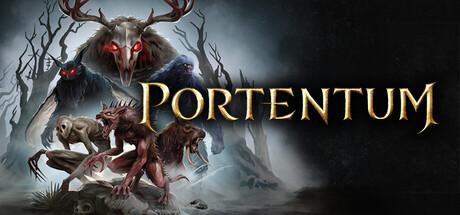
Portentum
Disclosed, not flagged
false
false
852
168
Fat Chance
Disclosed, not flagged
false
false
828
444
Sort The Bunnies
Disclosed, not flagged
false
false
2,284
1,194
Circuit Pulse
Flagged, not disclosed
true
true
120
24
ESCAPE FROM TOUHOU
Flagged, not disclosed
true
true
2,383
1,060
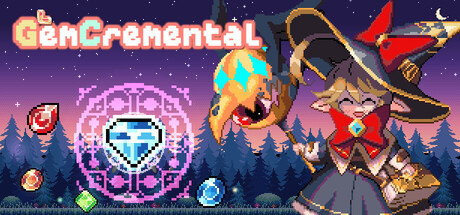
GemCremental
Flagged, not disclosed
true
true
120
48
The eight titles where the two labels disagree
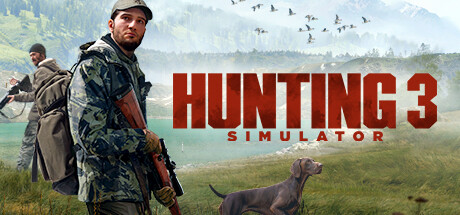
Hunting Simulator 3Disclosed, not flagged · top-100 #64Idle GolfDisclosed, not flaggedPortentumDisclosed, not flaggedFat ChanceDisclosed, not flaggedSort The BunniesDisclosed, not flaggedCircuit PulseFlagged, not disclosedESCAPE FROM TOUHOUFlagged, not disclosed (timing)GemCrementalFlagged, not disclosed
ESCAPE FROM TOUHOU is almost certainly a timing artifact. Its disclosure was present when we spot-checked the page at 22:21 on 27 Oct and gone when the full census reached it at 23:11 the same evening (UTC−3). A recheck early on 28 Oct confirmed it was gone. The Gamalytic snapshot predates the removal. That leaves just two genuine “flagged-only” demos, both tiny. In practice there is no meaningful flagged-without-disclosure population in this fest.
Instability
The flag moves, and it moves toward Steam
We had Gamalytic snapshots from both 26 and 27 October. Between them, 19 flags flipped: 11 true → false and 8 false → true.
All 8 false → true flips are demos whose Steam page shows the disclosure.
10 of the 11 true → false flips are demos whose page does not. The one exception is Hunting Simulator 3.
On the 26 Oct snapshot, agreement with Steam would have been 99.64% (25 disagreements). By 27 Oct it was 99.88%.
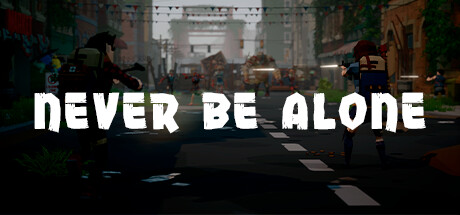
Flips reached the top of the chart. ArcheAge Chronicles (#13) and Never Be Alone (#21) went false → true, and Hunting Simulator 3 (#64) went true → false. A 26 Oct snapshot would have counted 10 flagged titles in the top 100, not 11.
The newer snapshot moved toward the store page. That suggests, though it doesn't prove, that the third-party flag is derived from Steam's disclosure with a lag of about a day. In other words, adding or removing your disclosure will probably show up in third-party tools, just not instantly.
Quote gallery
In their own words: what the disclosures say
A bare yes/no label hides a lot of variety. To check our detection method, we spot-checked store pages by hand on the evening of 27 October 2026. Here is what fifteen developers wrote in their AI Generated Content Disclosure, quoted verbatim from the Steam store page as captured. Two store screenshots and the estimated fest-week wishlist change sit under each quote, for context only. Fifteen quotes say nothing about what caused any game's result.
No AI-generated output has been used as-is in the visual assets of ArcheAge Chronicles. During development, AI generation tools were used only as a starting point for some visual assets, and every one of them was edited, composited, retouched, or remodeled by our art team before being finalized. These include:
- Item icons for items that exist only as icons, without an in-game 3D model
- Some in-game images used within the UI, which were partially processed and edited with AI tools
- Parts of the world map
- Some 2D background decoration assets and character weapon 3D models, where AI tools were used only in the early stages of production No AI-generated content is created during gameplay.
Top-100 #13 · +88,288 wishlists (est.) from a 511,241 baseline
Generative AI was used during development for much of the current artwork and parts of the game's writing. This includes adaptation text, ship descriptions, story and flavor text. It was also used for the German localization and parts of the Danish localization.
The game does not use live generative AI, connect to an LLM service, or generate content while you play. I am currently rewriting some of the text in my own voice and reviewing the visuals. My goal is for every part of the game to feel consistent with its world, whether it began as human-made or AI-assisted work.
The current artwork used on the Steam store is placeholder material. I hope to work with an artist on the final store art and, if possible, bring some of that work into the game as well.
+48 wishlists (est.) from 84
Artificial intelligence was utilized in visual design and in-game audio. AI support was also employed to some extent in coding.
+12 wishlists (est.) from 48
Generative AI tools were used to assist in creating some pre-generated 3D models, textures, and promotional assets. All AI-assisted material is reviewed and edited by the developer before inclusion. The game does not generate AI content during gameplay.
No usable fest-window data
Some visual assets, promotional artwork, and portions of the localization were created or assisted using generative AI during development. All AI-assisted content was reviewed, edited, and integrated by the development team. The game does not generate AI content during gameplay.
+480 wishlists (est.) from 732
The 2D art in OBOLUS is made with image generation models running locally on my own machine — Stable Diffusion XL through ComfyUI, including a style model I trained myself on 1930s cartoon references. None of it is a raw output: every sprite, backdrop, card frame and icon was directed through many passes, then cut out, colour-corrected, upscaled and assembled frame by frame into animation sheets.
Everything else is not AI: the rules, every card and every number on it, the balance, the 22 heroes, the six lands, the writing and the interface. The sound effects are synthesised by code written for this game.
Nothing is generated while you play. The game makes no network calls and ships with no model — nothing runs on your machine, and none of your data goes anywhere.
+0 wishlists (est.) from 48
Generative AI will only be used in game development, especially localization.
All puzzles in the game is hand-crafted by human beings.
+48 wishlists (est.) from 132
AI tools are used exclusively to translate game content into different languages.
+36 wishlists (est.) from 36
Generative AI technology is used in a supplementary capacity during the creation of some user interface assets.
Any such assets are replaced through our production pipeline by our art and development teams, ensuring they meet our quality standards and creative direction.
Captured 27 Oct 22:21 (UTC−3); removed from the page by 23:11 the same evening · +1,060 wishlists (est.) from 2,383
Generative AI was used for some 2D game assets, which were reviewed and edited by the developer.
+72 wishlists (est.) from 96
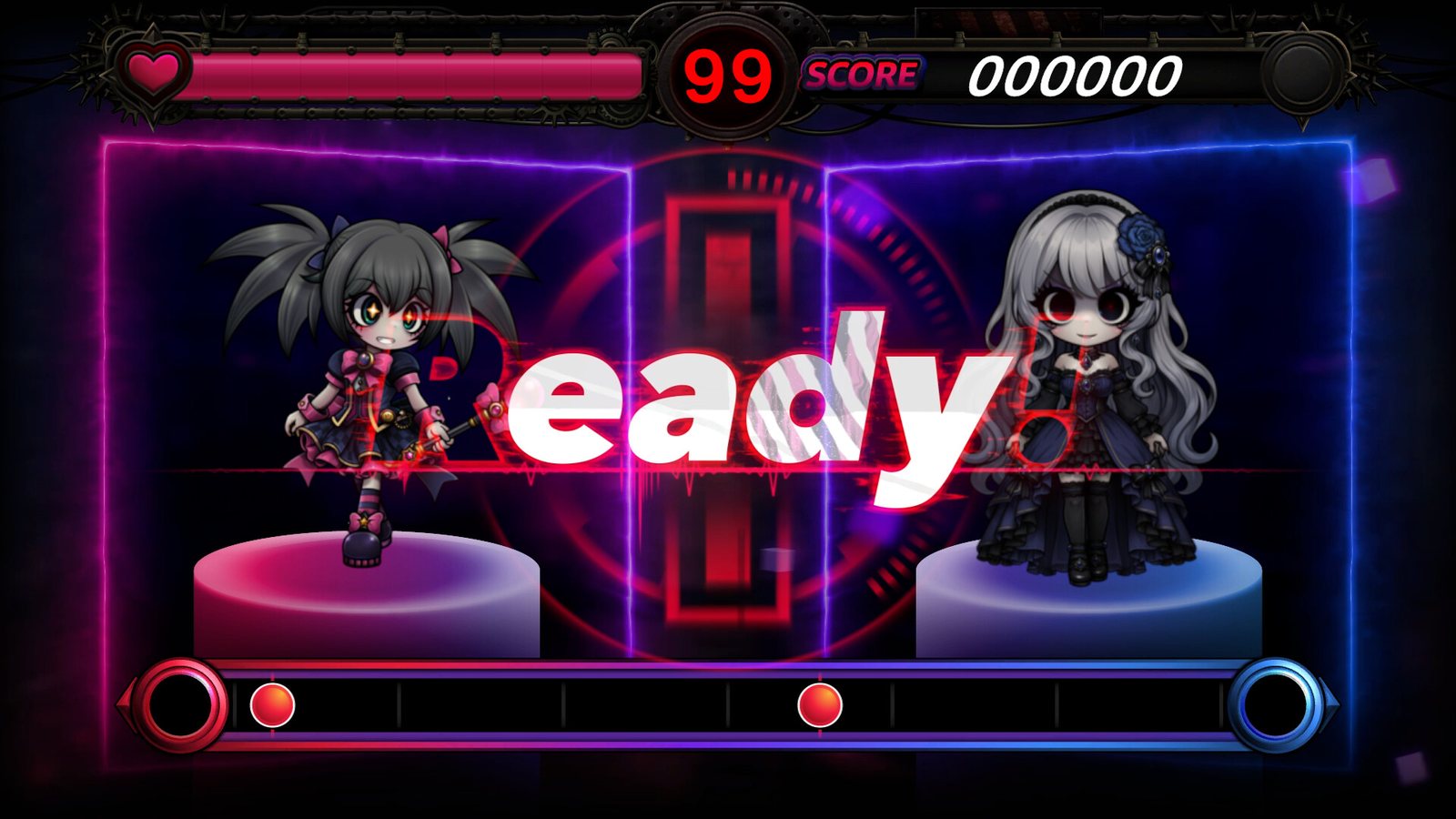
Graphics (sprites, logo, artwork) were generated with Google Gemini API models and OpenAI image models (via Codex), then curated, edited, and integrated by the developer.
Music and sound effects were generated locally with ACE-Step 1.5, directed, curated, and post-processed by the developer.
No AI runs during gameplay.
+0 wishlists (est.) from 24
This game uses generative AI tools for code creation, refactoring, debugging assistance, and drafting and revising store text. All AI-generated output is reviewed and edited by the developer before use. The game does not generate AI content during gameplay, nor does it connect to any external AI services.
+84 wishlists (est.) from 396
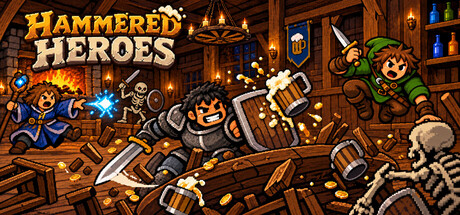
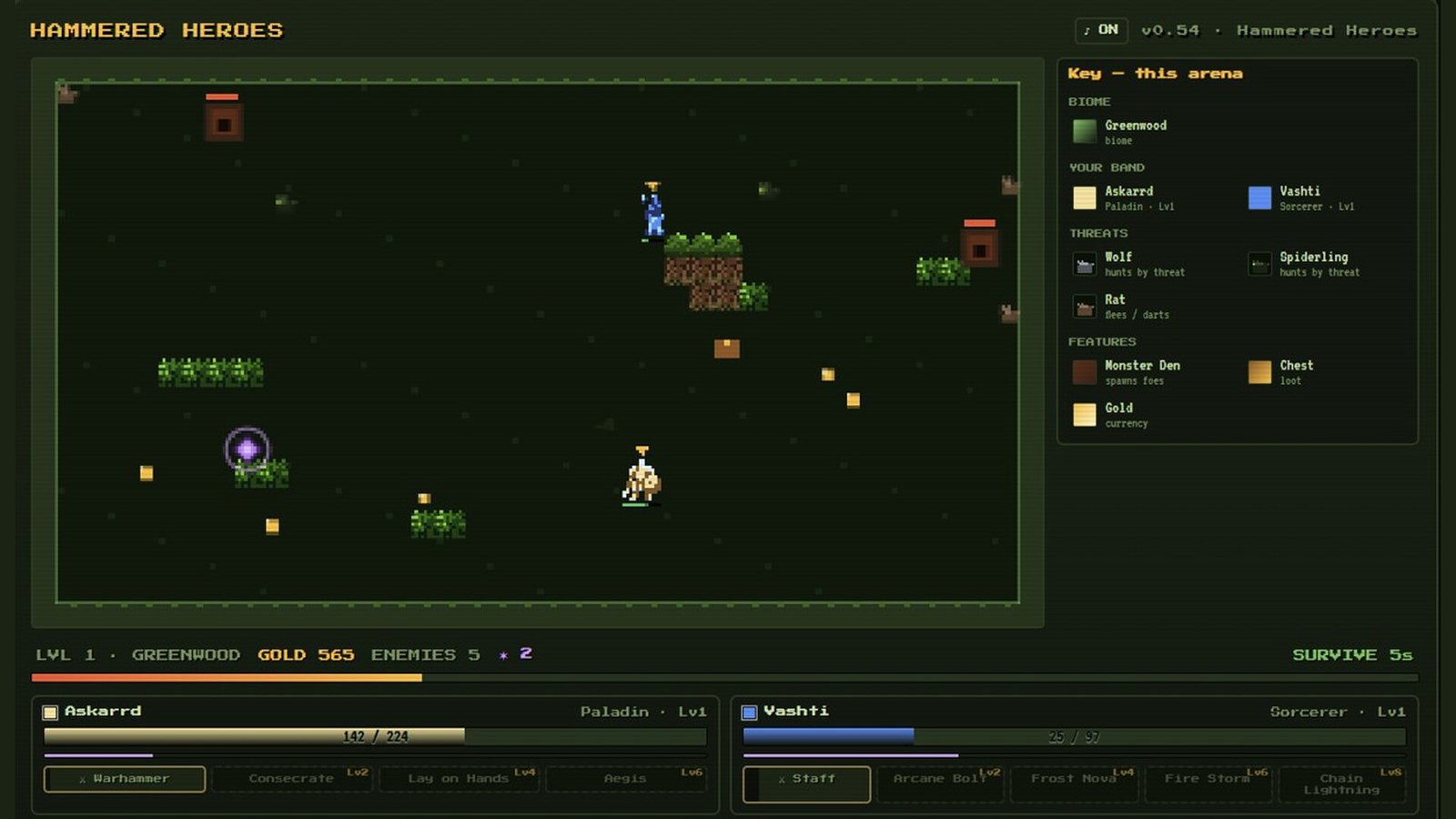
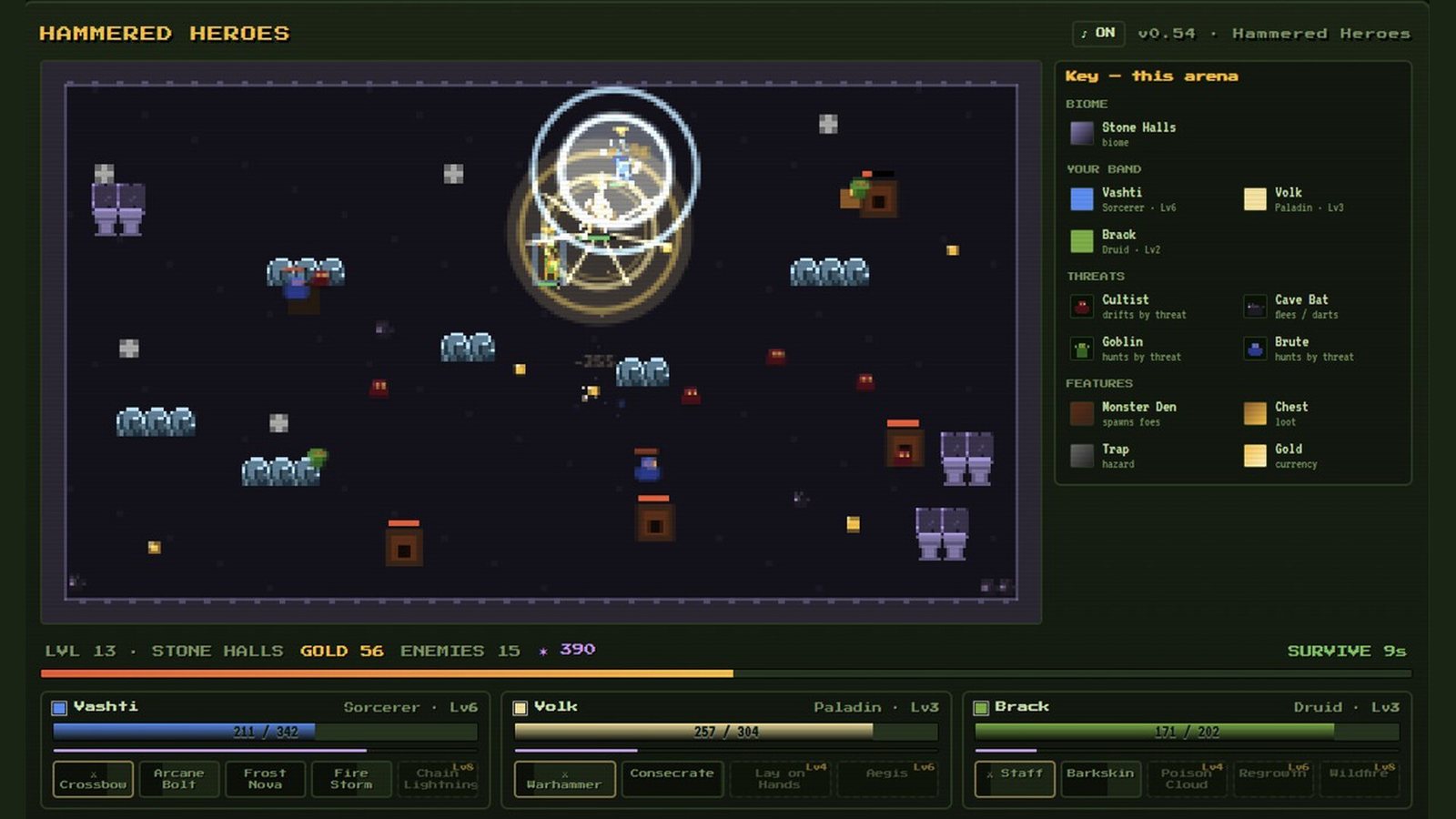
Hammered Heroes is a solo-developed game, with all design, direction, and gameplay built by one developer. Some 2D art assets (such as sprites and capsule art) were created with the help of generative AI image tools, then edited and assembled by the developer.
+24 wishlists (est.) from 144
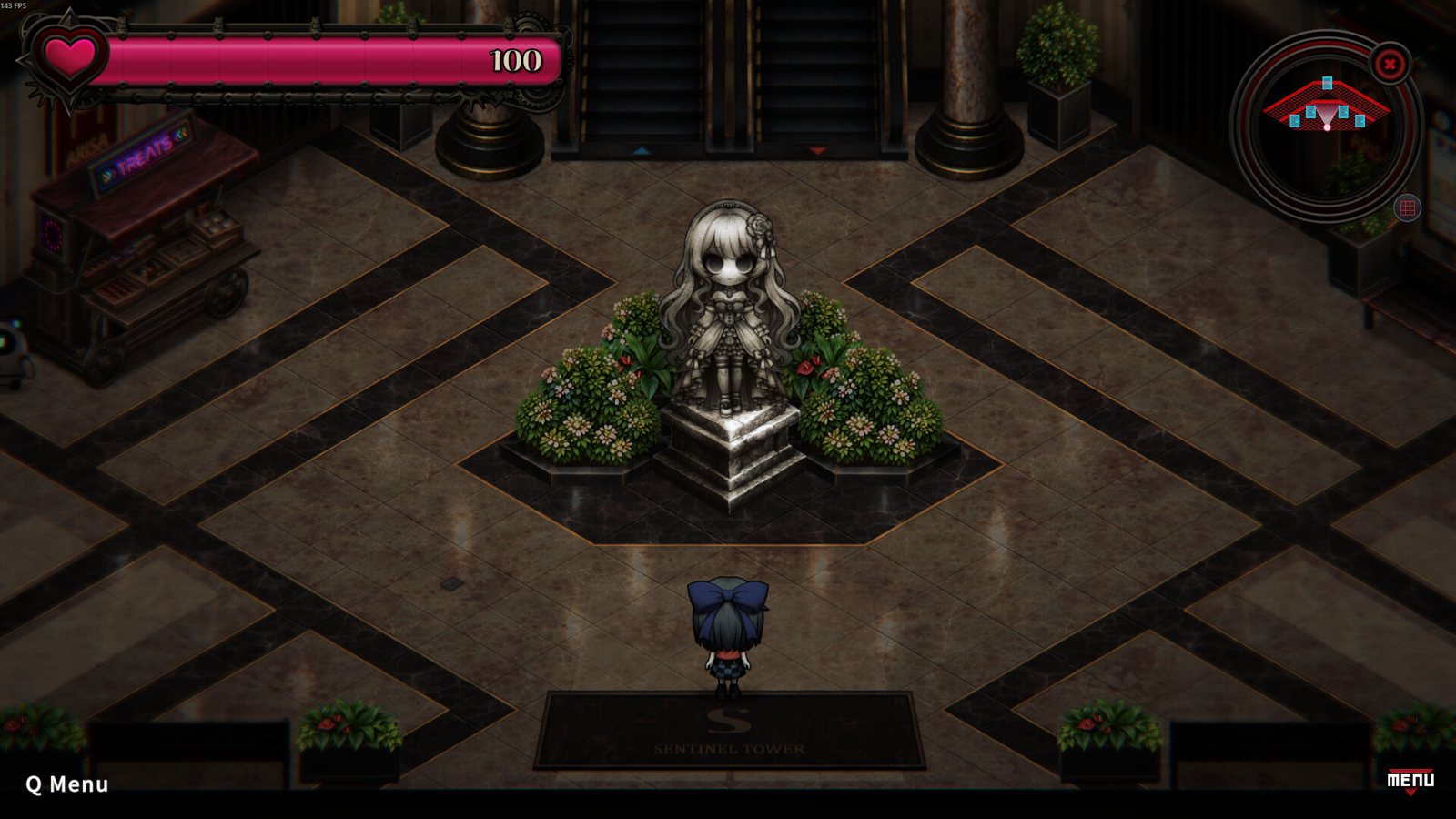
This game includes content made with generative AI tools during development. All of it was reviewed, edited and assembled by the developer. Nothing is generated by AI while you play.
- Logo, key art and store images: created with AI image tools then edited.
- In-game icons and 2D art: icons and card art were generated with AI image tools then edited by hand.
- 3D models and textures: most props and effects were generated by AI tools then edited.
- Music and sound: the music and many of the sound effects were generated with AI audio tools.
- Code: some of the game's code was written with the help of AI coding assistants.
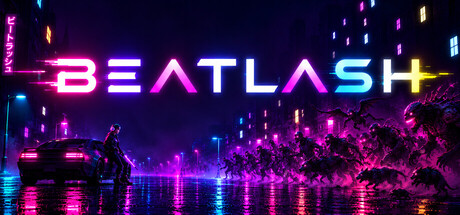
Game design, levels, the rhythm systems and balancing were designed by the developer.
+12 wishlists (est.) from 60
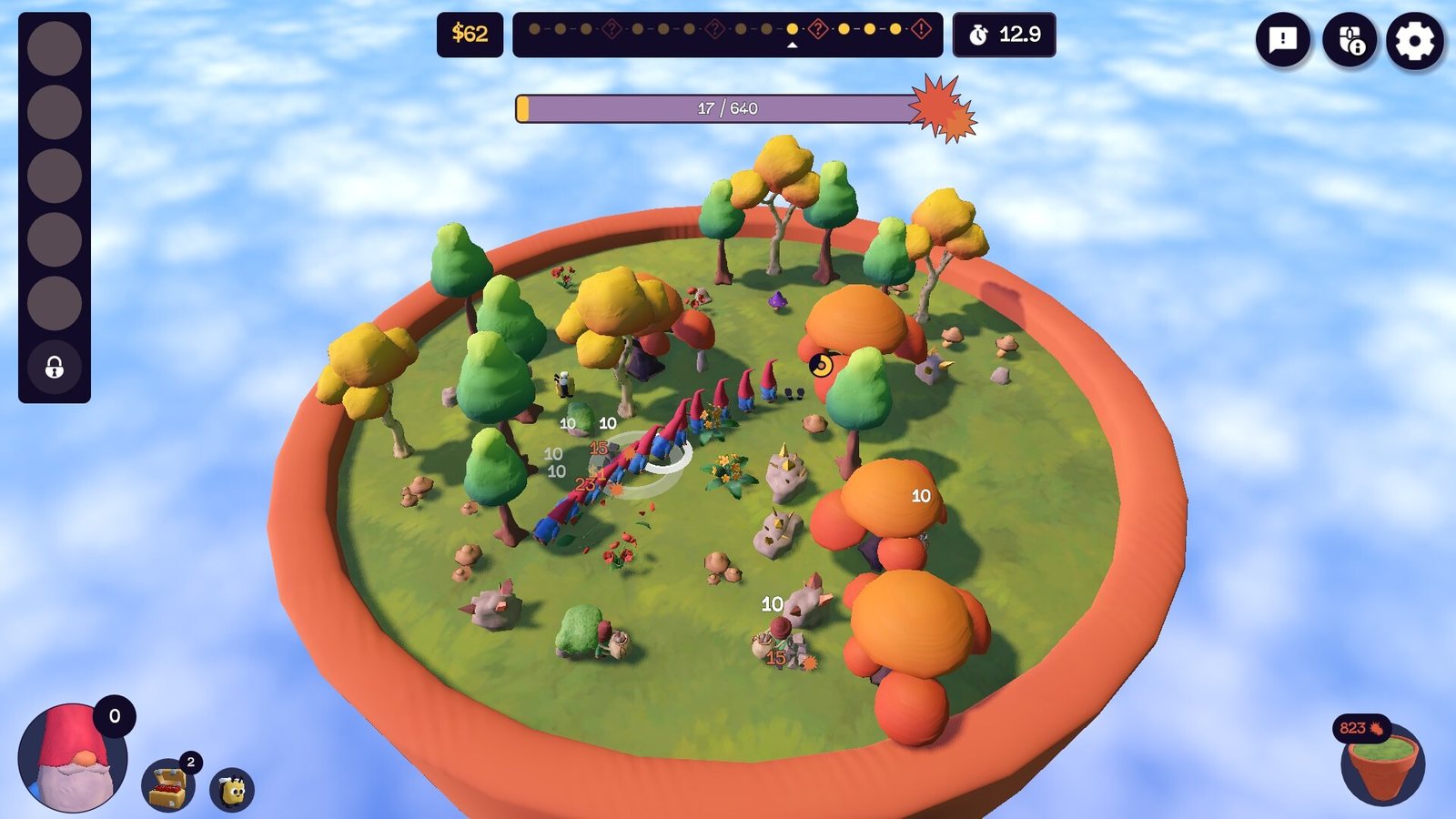
Note from the developers: This game's code was developed in part with the usage of Claude Code. While we do not technically have to disclose this on Steam (as of Fall 2026), after reflecting on the negative impact of generative AI on the Steam userbase, we have decided to release the game for free instead of as a paid product. We still poured much of our hearts into this game, but we don't want to contribute to the issues happening on Steam due to genAI, even if it would only be in a small way. We hope you enjoy our silly little gnome game.
+0 wishlists (est.) from 144
Reading the disclosures
Patterns in the wording
Even fifteen disclosures show a few recurring ways that developers frame their AI use:
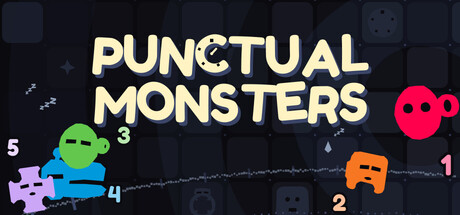
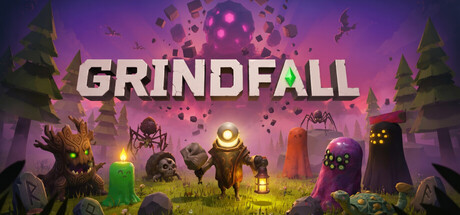
Scope-limiting. Several disclosures confine AI to one job: “used exclusively to translate game content” (GrindFall), “especially localization” (Punctual Monsters), “some user interface assets” (ESCAPE FROM TOUHOU).
Human-in-the-loop. Many stress that output was “reviewed and edited by the developer” (Metromino), “curated, edited, and integrated” (NEBULA BREAK) or “edited, composited, retouched, or remodeled by our art team” (ArcheAge Chronicles).
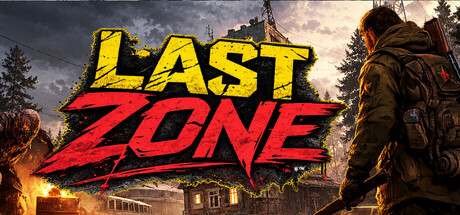
No AI at runtime. A common closing line reassures players that nothing is generated while they play: “The game does not generate AI content during gameplay” (The Inconvenience Store, Last Zone: Quarantine), “Nothing is generated while you play” (Obolus).
Placeholder framing. Some present AI art as temporary: “The current artwork used on the Steam store is placeholder material” (Aurora: Firebreak).
Itemised inventories. Beatlash: Survival and ArcheAge Chronicles list each asset category separately.
Values statements. Domignomes discloses AI-assisted code it says it didn't have to disclose, and says it chose to release the game for free as a result.
This study can't tell whether any of these framings affects players. The variety does mean that “has a disclosure” lumps together very different levels of AI use, from a translation pass to AI-generated art, music and code.
Read before quoting
Caveats and limitations
Estimates, not Valve data. Every wishlist figure is a Gamalytic ESTIMATE, modelled largely from followers. Wishlist Δ and follower Δ are therefore not independent evidence.
Coarse small-game values. 2,206 of the 7,094 demos with usable data started below 100 wishlists, where estimates move in coarse steps. The median in that band is 24 for every group.
Labels captured after the fest. Steam pages were read 27–28 Oct and the flag snapshot is from 27 Oct. The fest ran 19–26 Oct. At least one page removed its disclosure the evening we checked.
String-match detection. Cohort A relies on the English heading “AI Generated Content Disclosure”. A 28-page manual spot-check found 0 false matches, but a change in Steam's layout would break the method.
Gated pages. 223 adult-gated or sign-in-walled pages are reported separately and never counted as non-AI.
Third-party flag. Cohort B's flag uses an undocumented method and changed for 19 demos in a single day.
Top 100 is a ranking. The chart snapshot was taken about 4.5 hours before the fest closed and shows ranks, not player counts.
No visits or impressions. Valve doesn't publish traffic data for other developers' demos, so conversion rates can't be computed.
Correlation, not causation. Disclosure goes with smaller and newer projects. Genre, team size, marketing and demo quality are not controlled for.
Takeaways
What indie developers can take from this
Don't expect a blanket wishlist penalty for disclosing. Against games of a similar size, disclosed demos grew as much as or more than non-disclosed ones in 4 of 5 bands. For a game sitting at 2,000–9,999 wishlists, the disclosed median was 863 vs 629.
Be realistic about the top of the chart. Disclosed demos were badly under-represented in the top 100 (0.36× their share) and absent from the top 10. We can't show the label is the cause, but the demos that broke out hardest were overwhelmingly non-disclosed.
Big breakouts are still possible. ArcheAge Chronicles, LYSSA: Goddess of Rage, Potion-making: Path of the Alchemist, Never Be Alone and SLAM TANK each added tens of thousands of estimated wishlists while disclosing.
If you disclose, be specific. The disclosures above range from one sentence to an itemised inventory. Narrow, concrete wording (what was AI-assisted, what was human-made, whether anything is generated at runtime) is common among the examples we read.
Third-party tools will mirror your Steam disclosure. The main third-party flag matched Steam's label 99.88% of the time and appears to follow page edits within about a day. Adding or removing a disclosure will show up in those tools, with a short lag.
Treat ±6 wishlists in a median as noise. At small sizes the estimates move in steps of 12, so a single demo can shift a median from 48 to 54.
For the curious
Method
Universe: every demo listed as a confirmed participant on the October 2026 Next Fest sale page, giving 7,130 unique apps.
Cohort A: each English store page was fetched with age-gate cookies at about one request per second, from 27 Oct 22:24 to 28 Oct 02:10 (UTC−3). A page counts as disclosed if its HTML contains “AI Generated Content Disclosure” and not disclosed if it is a full store page without it. Anything else is unknown.
Cohort B: Gamalytic's `aiContent` field from its game-list snapshot (cache 27 Oct 08:59, UTC−3), with the 26 Oct snapshot kept to track flips. Missing flags stay a separate bucket.
Lifts: Gamalytic per-game history. Baseline = last point before 19 Oct 14:00, end = last point on or before 26 Oct 14:00. 36 demos without a usable pre-fest point or any history are excluded.
Public signal: Steam's “Most played demos” chart, top 100, captured 26 Oct 09:33 (UTC−3).
Statistics: n, median, mean, p75, p90 and sum (linear quantiles); two-sided Mann-Whitney U; pre-fest baseline bands at <100, 100–499, 500–1,999, 2,000–9,999 and ≥10,000.
Spot-check: 28 store pages read by hand against the third-party flag, with 0 mismatches (one gated page was inconclusive).
Sources
Steam store pages for each demo (store.steampowered.com/app/…), read 27–28 Oct 2026 for the “AI Generated Content Disclosure” section. All quotes are taken from these pages.
Steam Next Fest October 2026 sale page: participant list, pulled 19 Oct 2026.
Steam “Most played demos” chart (daily active users), top 100, snapshot 26 Oct 2026 ~09:33 (UTC−3).
Gamalytic: wishlist and follower history (ESTIMATES) and the `aiContent` flag (snapshots 26 and 27 Oct 2026).
Header images: Steam store assets for each title, shown for identification. Images belong to their respective owners.
Screenshots and trailers: taken from each game's Steam store page (store.steampowered.com/app/…) via Steam's public store data on 28 Oct 2026. Trailers are re-saved locally as 480p copies of the store's own video stream, unedited apart from format. All screenshots and trailers belong to their developers and publishers, are hosted by Steam, and are shown here for commentary and identification only.
All wishlist and follower figures are Gamalytic ESTIMATES, not Valve data. Disclosure state was observed after the fest closed. Times are UTC−3. Correlation is not causation.